
Plants
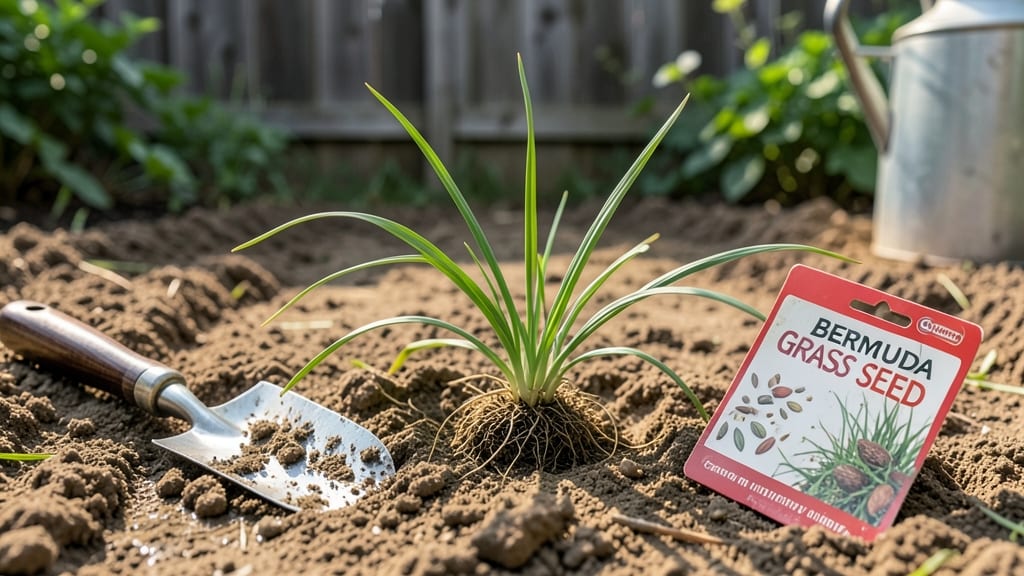
Planting Bermuda seed in Georgia between late April and early June gives it the fast, heat-loving start it needs to outpace weeds and establish deep roots before summer’s real heat arrives.
Georgia’s scorching summers demand precision when planting Bermuda grass seed—get the timing wrong, and you’ll waste months waiting for germination. But plant too early, and frost will kill your efforts before they even begin.
This heat-tolerant grass thrives once soil temperatures hit 65°F consistently, which in most of Georgia means waiting until after the last frost date (typically mid-March in the north, earlier in the south).
Below, I’ll break down the exact window by zone, how to prep your soil for fast germination, and what to watch for in those critical first weeks after planting.
Optimal planting window for Bermuda seed in Georgia’s climate zones
Georgia’s USDA hardiness zones 7a-8b create a unique challenge for Bermuda grass—too early, and frost zaps your seedlings; too late, and summer heat stresses them. The ideal window balances soil warmth (75°F+) with frost-free conditions, ensuring rapid germination. Let’s break down the exact timing for your region.
Bermuda grass thrives in heat but won’t germinate below 65°F. In northern Georgia (7a), wait until after May 1 when soil temperatures consistently hit 75°F. Meanwhile, southern Georgia (8b) can start as early as late April, thanks to earlier warming.
Microclimates near urban areas or near water may shift these dates by 1-2 weeks.
For northern Georgia (7a), aim for May 1 as your earliest safe date. By this time, the average soil temperature at 4 inches deep will reliably exceed 75°F, the threshold for Bermuda seed to sprout within 7-14 days.
Use a soil thermometer to confirm—plant only when temps stay above 70°F for 3+ days.
In central Georgia (7b), the window shifts to mid-April to mid-May. This zone benefits from earlier warming but still risks late frost in April. If planting early, use frost cloth to protect seedlings until nighttime temps stabilize above 55°F.
The Atlanta metro area often sees soil temps hit 75°F by late April, making early May ideal.
Southern Georgia (8a-8b) offers the earliest opportunities, with late March to early April as the sweet spot. Coastal areas like Savannah (8b) can even start in late February, but humidity accelerates mold risk. Here, daily light watering (not soaking) keeps seeds moist without suffocating them. Avoid planting before February 28—earlier seeds may rot in cool, damp soil.
Microclimates play a huge role. Urban heat islands (like downtown Atlanta) can push soil temps 5-10°F warmer than rural areas, allowing 2-week earlier planting. Conversely, shaded or elevated areas may stay 10°F cooler, delaying germination by 3+ weeks.
Test your spot with a thermometer for 3 days before planting.
Pro tip: Pre-warm your soil in northern zones by covering bare soil with black plastic for 2-3 weeks before planting. This can shave 10-14 days off your waiting time. Pair this with starter fertilizer (high in phosphorus) to jumpstart root growth once seeds sprout.
Miss the window? Don’t panic—fall planting (September) is possible in southern Georgia (8a-8b), but northern zones should wait until spring. Overseeding in late summer can also extend your viable period, though results vary by microclimate.
Always prioritize soil warmth over calendar dates—your thermometer is your best friend.
Remember: Bermuda grass needs heat to thrive. Planting too early wastes money and effort—seeds may sprout but stunt without consistent warmth. Stick to these zones, monitor soil temps, and you’ll see lush green growth within 3 weeks of planting. 🌱☀️
Critical pre-planting conditions for Bermuda seed success
Before you drop that first packet of Bermuda seed in Georgia, your soil must meet three non-negotiable conditions: warmth, moisture, and sunlight. Skipping any of these steps guarantees slow germination or total failure—especially in Georgia’s humid heat where weeds compete fiercely for space.
I’ve planted Bermuda in Zone 7b-8b for years, and the difference between a thriving lawn and a weed-choked disappointment comes down to these pre-planting prep steps. Let’s start with the most critical: soil temperature, which must stay above 65°F for at least a week before planting.
⚠️ NON-NEGOTIABLE: Planting Bermuda seed when soil temps are below 65°F (18°C) triggers dormancy—your seed will simply wait until conditions improve. In Georgia, this means waiting until after mid-April in northern regions and early April in southern areas.
Use a soil thermometer ($10 at any garden center) to verify: insert it 2 inches deep and check daily for consistency.
⚠️ Critical Mistake: Planting Too Deep
Bermuda seed needs light to germinate—burying it more than ¼ inch deep smothers it. Even worse, overwatering after planting can wash seeds deeper into the soil. Lightly rake the seedbed (¼ inch deep furrows) and press seeds into the surface with a garden roller or your boot.
Next, moisture must be balanced—too dry and seeds won’t sprout; too wet and they’ll rot. Aim for consistently damp soil (like a wrung-out sponge) in the top 2 inches. Water lightly every morning until germination (usually 7-14 days), then increase to ½ inch per week once sprouts appear.
Sunlight is Bermuda’s secret weapon: it demands 6-8+ hours of direct sun daily. In Georgia, this means planting in south-facing areas or clearing shade trees that block light. Even partial shade slows growth by 30-50%, leaving gaps for crabgrass to invade.
Test your site by marking a 1-foot square—if it’s shaded for more than 2 hours at midday, Bermuda won’t thrive there.
Finally, soil pH matters more than most gardeners realize. Bermuda thrives in slightly acidic to neutral soil (pH 6.0-7.0)**—test your soil with a home kit ($15) or send a sample to UGA Extension.
If your pH is below 6.0, add pelletized lime (apply 2-3 months before planting). For pH above 7.0, work in sulfur or peat moss.
Pro tip: Till in compost or aged manure to loosen clay-heavy Georgia soils—Bermuda roots need air and water to spread quickly. After prep, cover the seedbed with a thin layer of straw mulch (not hay) to retain moisture without blocking light.
This one-step hack cuts evaporation by 40% in Georgia’s summer heat.