
Propagation
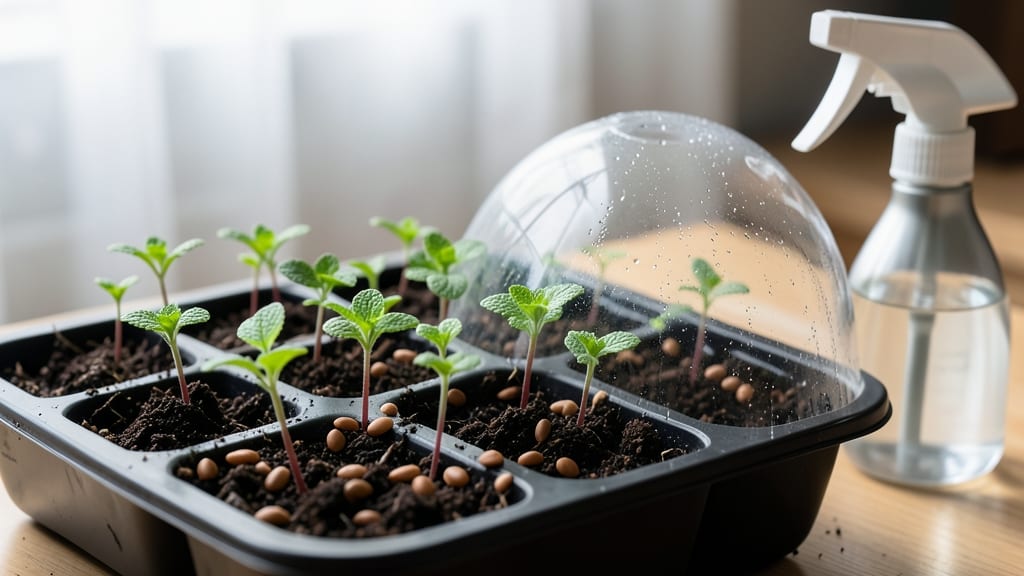
Optimal moisture and temperature conditions for spearmint seed germination
Spearmint seeds are notoriously finicky about their germination environment, but with the right moisture and temperature balance, you can achieve 90%+ sprouting rates within 14-21 days. The key lies in mimicking their natural habitat—moist, warm, and consistently damp conditions without waterlogging.
Unlike many herbs, spearmint seeds require specific triggers to break dormancy, making precision essential for success.
Research shows spearmint seeds germinate best when soil temperatures hover between 60°F and 75°F. Below 55°F, germination slows dramatically, while temperatures above 80°F can cause seed rot. This narrow optimal range explains why indoor germination often outperforms outdoor attempts in cooler climates.
The secret? Using a seedling heat mat set to 70°F maintains perfect conditions without overcomplicating your setup.
| Germination Factor | Optimal Specification | Critical Notes |
|---|---|---|
| Soil Moisture | Consistently damp (60-70% humidity) | Use bottom-watering to prevent surface drying |
| Temperature Range | 60°F - 75°F (15°C - 24°C) | Avoid fluctuations >5°F daily |
| Light Conditions | Indirect light (no direct sun) | Use grow lights 12 hrs/day after sprouting |
| Germination Time | 14-21 days (ideal: 16 days) | Seeds may take 30+ days in <55°F soils |
| Soil pH | 6.0 - 7.0 (slightly acidic) | Test soil before planting |
Maintaining consistent moisture is where most gardeners fail. Spearmint seeds need to stay damp but never soggy—think of a wrung-out sponge. Overwatering triggers fungal diseases like damping-off, while underwatering causes seeds to dry out before germinating.
My trick? Fill a shallow tray with 1 inch of water, place your seed trays inside, and let capillary action do the work. This method keeps humidity at 65-70% without guesswork.
Temperature control is equally critical. Spearmint seeds from commercial suppliers are often pre-treated for faster germination, but homegrown seeds may need a warmth boost. Place your seed trays on a seedling heat mat set to 70°F for the first 7-10 days.
If you're germinating outdoors in spring, wait until soil temperatures consistently reach 65°F—use a soil thermometer to verify. Cold soils delay germination by 2-3 weeks.
Light plays a subtle but vital role during germination. While seeds don't need light to sprout, indirect light prevents leggy seedlings. Position your trays near an east-facing window or under grow lights on a 12-hour cycle once sprouts emerge.
Avoid direct sunlight, which can scorch tender seedlings. Pro tip: Cover trays with clear plastic wrap to retain humidity, but remove it daily for 10 minutes to prevent mold.
Monitoring your spearmint seeds requires daily checks. Look for tiny white roots breaking through the seed coat—this signals successful germination. Once you see 50% sprouting, reduce bottom-watering slightly to prevent rot.
Thin seedlings to 2 inches apart when they reach 2 inches tall, using clean scissors to avoid disturbing roots. This step reduces competition and strengthens remaining plants.
Common germination failures often stem from environmental mismatches. If your seeds aren't sprouting after 21 days, check for these red flags: dry soil, temperature drops, or old seeds (spearmint seeds lose viability after 1 year).
To test seed viability, soak 10 seeds in warm water for 24 hours—if 80% float, they're likely dead. For stubborn seeds, try scarification (lightly sanding the seed coat) to break dormancy.
Once your spearmint seedlings reach 3-4 inches tall, they're ready for their next phase: hardening off. Gradually expose them to outdoor conditions over 7-10 days, starting with 2 hours of shade and increasing daily. Plant outdoors after the last frost when soil
Step-by-step guide to germinating spearmint seeds indoors or outdoors
Germinating spearmint seeds requires patience and precision, but with the right approach, you can watch those tiny seeds transform into lush green plants in just 7-14 days.
The key is creating an environment that mimics their natural conditions—warmth, moisture, and darkness—while avoiding common pitfalls like mold or rot. Whether you're starting indoors for an early harvest or outdoors after the last frost, follow this step-by-step guide to maximize your success rate.
Before you begin, gather your supplies: spearmint seeds, seed-starting trays or small pots, a well-draining seed-starting mix, a spray bottle, plastic wrap or a humidity dome, and a heat mat (optional but highly recommended).
Spearmint seeds are light-sensitive, meaning they won’t sprout until they’ve absorbed enough moisture and warmth, so preparation is everything. Let’s dive into the process to ensure your seeds get the perfect start.
If your spearmint seeds aren’t sprouting within 14 days, don’t panic. Slow germination is common, but you can troubleshoot by ensuring the soil stays warm and moist. If you notice black mold, reduce humidity and improve airflow.
For rot or mushy stems, replant the seeds in fresh, dry soil. Patience and consistency are key—your spearmint plants will reward you with fragrant leaves in no time!
For outdoor germination, wait until soil temperatures reach 60°F or higher and plant seeds 1/4 inch deep in well-draining soil. Mulch lightly to retain moisture and protect young seedlings from temperature fluctuations.
With these steps, you’ll be well on your way to a bountiful spearmint harvest in just a few months. 🌱