
Plants
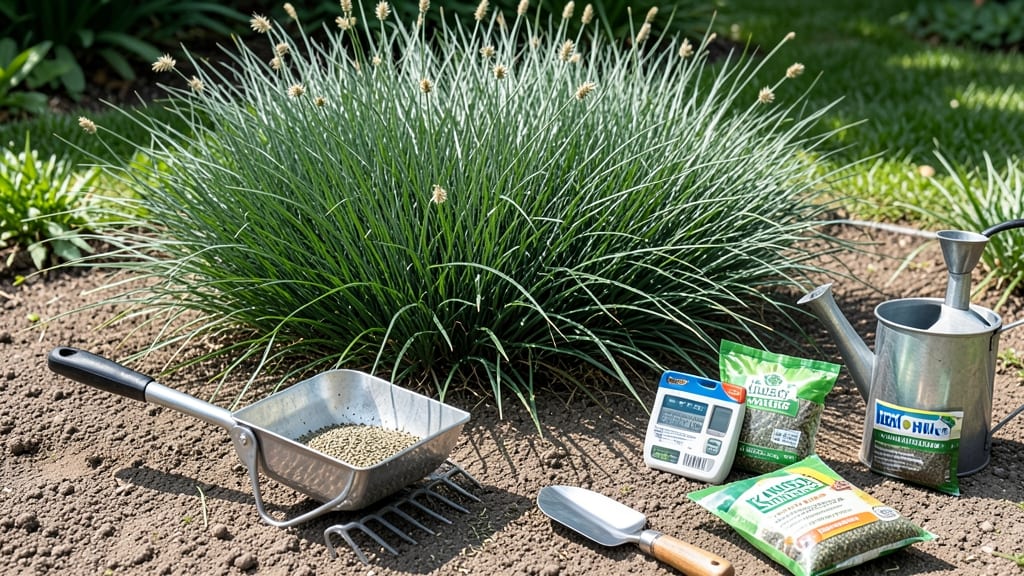
Planting grass seed in Kansas spring means timing it after the last frost when soil warms to 50–60°F—a window that shifts from mid-March in the south to late April in the north.
Timing your grass seed planting in Kansas can mean the difference between a lush, green lawn and wasted effort—especially with unpredictable spring weather patterns across the state’s diverse zones. One week too early, and a late frost will kill tender seedlings; too late, and summer heat arrives before roots establish.
Kansas’ 5b-7a zones complicate things further: what works in Wichita (Zone 7a) may fail in Topeka (Zone 6a). The key is checking soil temperature, not just calendar dates, and choosing the right grass type—cool-season tall fescue thrives in early spring, while drought-resistant buffalo grass waits for June.
Below, I break down the exact frost-free timeline by zone, soil prep secrets for Kansas’ heavy clay, and how to spot the perfect planting window before you even buy seed.
Kansas spring planting zones: when to plant grass seed by hardiness area
Kansas spans USDA hardiness zones 5a through 7b, creating distinct planting windows for your lawn. Getting the timing right means choosing between cool-season grasses like Kentucky Bluegrass or warm-season varieties such as Bermuda.
Each zone has unique frost-free dates and soil temperature thresholds that dictate when to plant grass seed for optimal germination.
In Zone 5a (northwest Kansas), the last frost typically arrives around April 15, while Zone 7b (southeast Kansas) sees frost-free conditions by March 15. These differences mean your planting schedule should shift by 3–4 weeks depending on where you live.
Microclimates—like urban heat islands or shaded yards—can further adjust these timelines by 1–2 weeks.
Soil temperature is the most critical factor after frost dates. For cool-season grasses, aim for 50–60°F soil temperatures, while warm-season grasses thrive when soil reaches 65–75°F. Use a soil thermometer to check—planting too early in cold soil can lead to poor germination or seed rot.
Here’s how Kansas’ zones break down for spring planting, including ideal windows and microclimate adjustments:
| Zone | Last Frost Date | Ideal Planting Window | Soil Temp Threshold | Best Grass Types |
|---|---|---|---|---|
| 5a (Northwest KS) | April 15 | Late April–early May | 50–60°F | Tall Fescue, Kentucky Bluegrass |
| 5b (Central KS) | April 1 | Mid-April–late April | 50–60°F | Fine Fescue, Ryegrass |
| 6a (East-Central KS) | March 20 | Late March–early April | 50–60°F | Buffalo Grass, Zoysia |
| 6b (Southeast KS) | March 10 | Early March–late March | 55–65°F | Bermuda, Centipede |
| 7a–7b (Southeast KS) | February 28 | Late February–early March | 65–75°F | St. Augustine, Bahiagrass |
For urban areas, like Wichita or Kansas City, microclimates can push planting dates 1–2 weeks earlier due to the urban heat island effect. Rural areas, especially in Zone 5a, may need to wait until mid-April to avoid late frosts.
Always monitor local Kansas State University Extension forecasts for real-time adjustments.
Cool-season grasses like Kentucky Bluegrass should be planted in early spring (March–April) to establish roots before summer heat. In contrast, warm-season grasses such as Bermuda thrive when planted in late spring (May–June) after soil warms. Mixing grass types? Space plantings 4–6 weeks apart to ensure both varieties germinate successfully.
One common mistake is planting too early when soil is still cold or too late when summer heat arrives. Always test soil moisture—it should be damp but not soggy—and avoid planting if rainfall forecasts predict heavy downpours within 48 hours.
A light mulch of straw can help retain moisture and protect seeds from drying out.
Pro tip: If you’re unsure about your zone, use the USDA Plant Hardiness Zone Map or check with your local county extension office. They can provide hyper-local advice tailored to your yard’s specific conditions. With the right timing, you’ll see lush, uniform germination in just 10–1
5 Critical signs your Kansas lawn is ready for spring grass seed planting
Waiting for the perfect moment to plant grass seed in Kansas isn’t just about checking a calendar—it’s about reading your lawn’s signals. The 5 critical signs below will tell you when your soil, weather, and yard are primed for planting, without relying on guesswork.
These indicators work across all Kansas zones, from Zone 5a’s late frosts to Zone 7b’s early springs.
First, soil temperature is your most reliable guide. Cool-season grasses like tall fescue need soil at 50–60°F, while warm-season varieties such as bermuda grass require 65–75°F.
A soil thermometer (just $10 at garden centers) is your best tool—stick it 2–3 inches deep in full sun for an accurate reading. If the ground feels cool to the touch, wait a few days before planting.
Next, watch for weed emergence. When broadleaf weeds like dandelions or chickweed start sprouting, it’s a sign your soil is warming and moisture levels are right for grass seed. These weeds germinate at similar temperatures to cool-season grasses, so their appearance is your natural planting cue.
Pro tip: If weeds are already 2–3 inches tall, you’ve missed the ideal window—wait for new sprouts to appear.
- Soil Temp Check: Use a thermometer to confirm 50–60°F for cool-season grasses or 65–75°F for warm-season types. If it’s cooler, wait 3–5 days.
- Frost-Free Forecast: Check Kansas State University Extension for a 7-day frost-free guarantee. Planting with even a 10% frost risk can kill seedlings.
- Weed Sprouts: When dandelions or chickweed emerge, your soil is ready. If weeds are already tall, you’ve missed the window.
- Moisture Test: Dig a 6-inch hole—soil should feel damp but not soggy. If it’s dry, water deeply 24 hours before planting.
- Rainfall Window: Aim for 1–2 weeks of dry weather after planting. Check the National Weather Service for forecasts.
Don’t overlook moisture levels—Kansas’ clay-heavy soils can trick you. Dig a 6-inch hole and squeeze a handful of soil: it should hold together but not be sticky. If it crumbles, your soil is too dry; if it’s muddy, wait for it to dry out slightly.
A light rain before planting helps, but avoid planting if heavy rain is forecast within 48 hours—seeds can wash away or rot.
Finally, use Kansas State University Extension tools for real-time data. Their Frost Free Date Calculator (available online) adjusts for your exact location, while their Soil Temperature Maps show daily updates.
For non-tech users, a simple DIY frost test works: Place a small container of water outside overnight. If it freezes, wait another week before planting.
When all five signs align—warm soil, no frost risk, weed sprouts, proper moisture, and stable weather—your lawn is ready. Plant within 24–48 hours for the best germination rates, and keep seeds lightly covered with straw to retain moisture until they sprout.
With these cues, you’ll avoid the #1 mistake of planting too early and ensure a thick, healthy lawn by summer.