Why this site exists
You’ve planted a seed—maybe it’s a packet of heirloom tomatoes, maybe it’s a single seedling you bought—and nothing happens. The soil stays dry. The leaves yellow. The instructions on the back of the bag assume you already know what ‘well-drained’ means.
This site exists because gardening isn’t just about throwing seeds into dirt and hoping.
Here, we focus on the parts that actually matter: what works in your climate, how to fix what’s gone wrong, and the plants that surprise you. No fluff, no guesswork—just the lessons learned from years of watching seeds grow (or fail).
Who writes this site
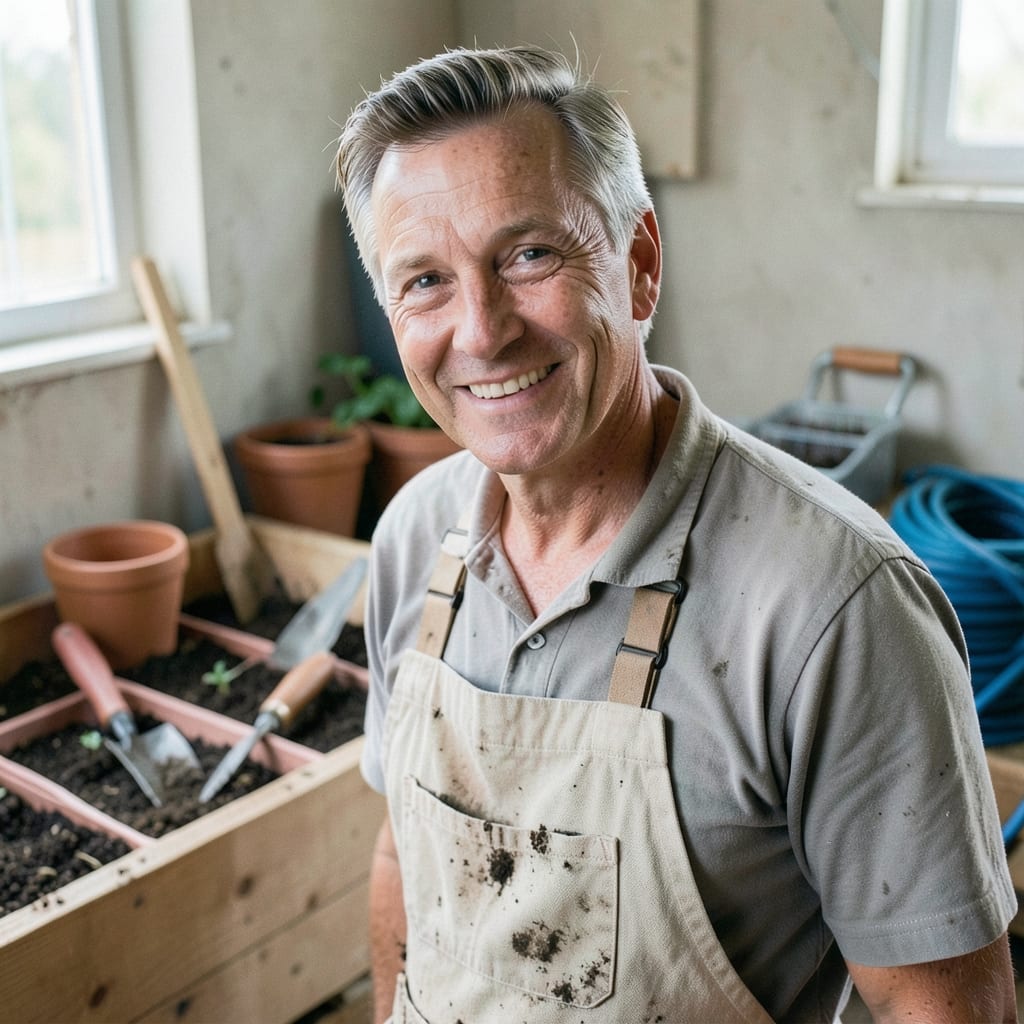
Arturo Iverson runs *Seed Bank*.
Do you test everything before writing about it?
Yes. Every plant, every soil amendment, every ‘fix’ is tried at least twice—once in my garden, once in someone else’s. If it fails the second time, it doesn’t get a post.
What do you get wrong?
Mostly watering. I still forget some plants hate moisture, and others need it daily. The soil pH chart is my nemesis.
Why isn’t common plant here?
Either it’s invasive where I live, or I’ve tried it and it didn’t thrive in my zone. No exceptions for ‘everyone else grows it.’
I keep a trowel in my back pocket. If I’m not digging, I’m adjusting a drip line or complaining about the neighbor’s shade.
How a seed’s story begins
A seed’s story starts with the soil. Not the ‘ideal’ soil from a bag, but the dirt in your specific yard—the pH, the drainage, the bugs already living in it. We measure that first.
The first plant
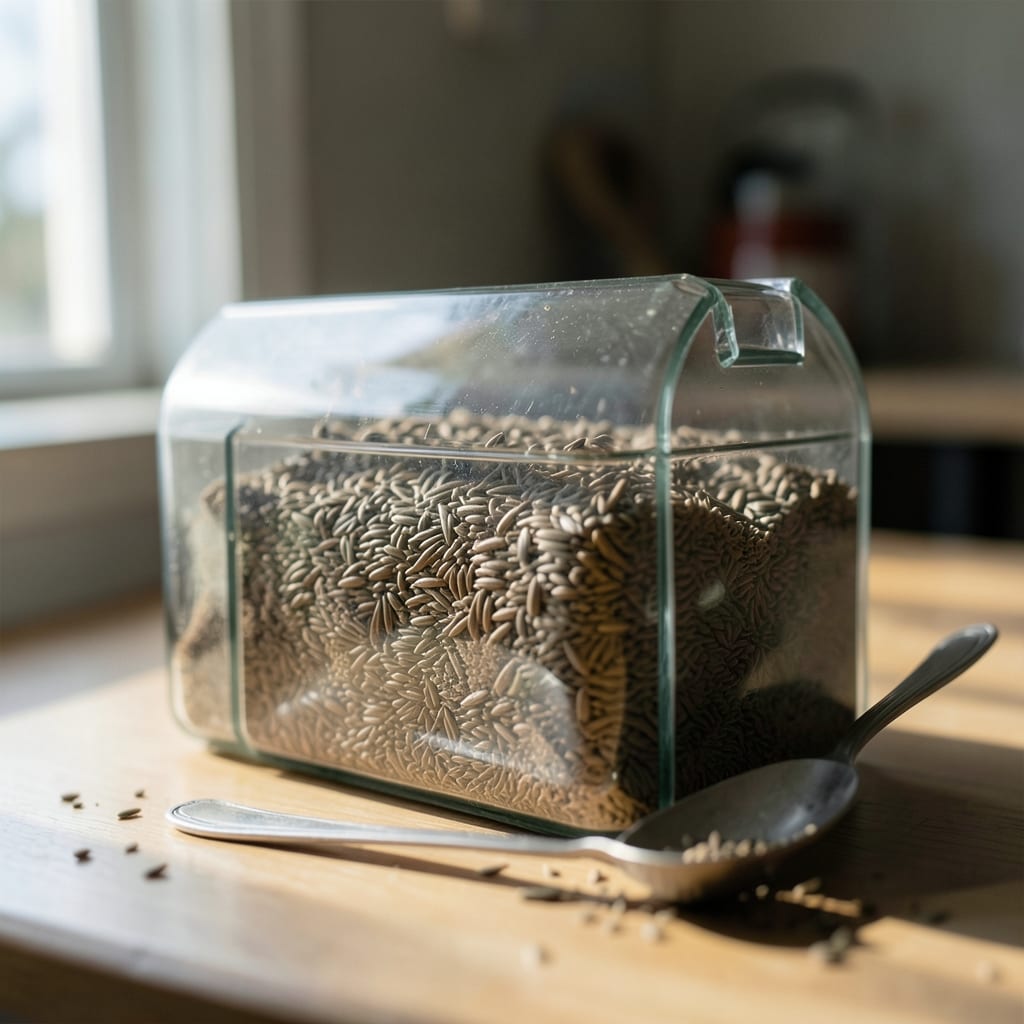
You plant one seed—just one—and wait. Not ‘in a few weeks,’ but ‘by the time the moon hits this phase.’ We track germination rates by variety, not by hope.
The fix
If it dies, we dig up the corpse. Literally. We check for rot, pests, or soil that’s turned to concrete. No ‘maybe it needed more sun’—just data.
What we will not do
We won’t pretend every seed works everywhere. We won’t ignore pests or drought. And we won’t write about plants that require ‘expert’ conditions if you’re not one.
Things you will never find here
- ‘Miracle-grow’ advice that works for 0.1% of readers
- Plants labeled ‘easy’ without explaining why they’re not for you
- Photos of perfect gardens—only real, flawed results
- Step-by-step guides that assume you’ve never held a trowel
Where to start
If you’re new, read the ‘Soil Tests’ section first. If you’re fixing a failure, search by symptom. If you still can’t find it, the ‘Troubleshooting’ tab is for disasters.
Say hello
I like hearing about plants that surprised you—either the good or the ‘why did I try that?’ kind. Questions about your garden’s quirks? The contact page has answers.
The guides are grouped by category: Advice, Aphids, Blooming, Companion Plants, Container Gardens and Diseases.