
Plants
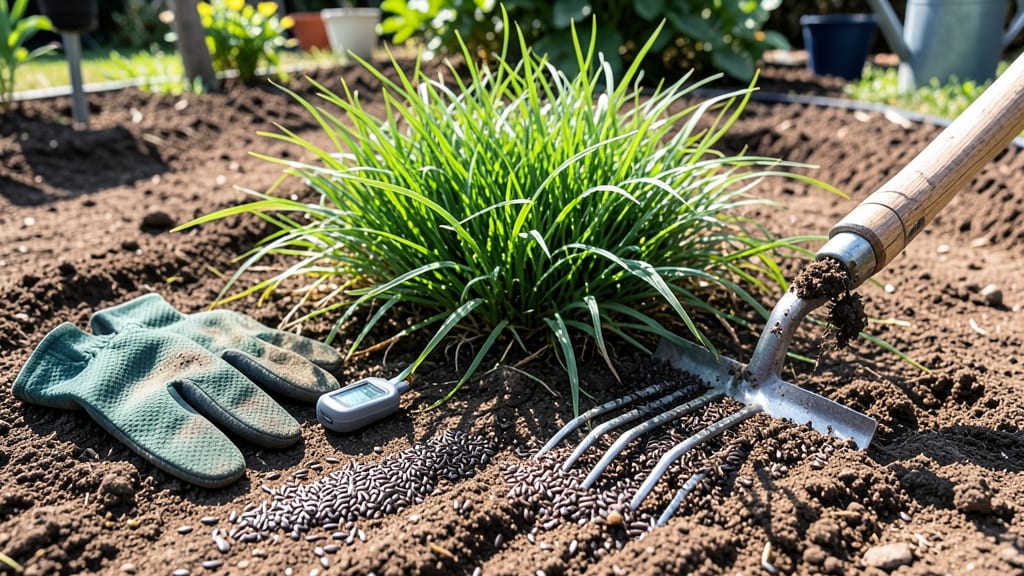
Planting Bermuda grass seed in Texas at the right time ensures a thick, drought-resistant lawn that thrives in the heat—soil temperatures of 65°F+ are your green light.
If you’ve ever watched your lawn struggle through patchy growth or give up entirely in the summer, you know timing is everything. With Texas’ brutal heat and unpredictable spring rains, planting too early can drown your seed, while waiting too long risks weak establishment before the real heat hits.
Most of Texas falls in USDA zones 8a-10b, where late spring to early summer (April–June) is ideal—when soil warms up and stays there. But there’s a trickier window in late summer for southern regions, where the heat is already locked in.
Below, I break down the exact zone-specific planting windows, how to prep your soil, and the care routine that keeps Bermuda grass outpacing weeds and cool-season grasses all summer long.
Optimal planting windows by Texas hardiness zones (8a-10b)
Texas' USDA zones 8a-10b create dramatic differences in when to plant Bermuda grass seed. In Zone 8a (North Texas), you'll want to wait until late May when soil temperatures consistently hit 65°F+.
Meanwhile, Zone 10b (South Texas) can start as early as mid-April, taking advantage of their earlier warming soils.
The key difference is heat tolerance thresholds. Bermuda grass thrives when daytime temperatures stay above 85°F+ for extended periods. Planting too early in cooler zones risks seed rot from lingering spring rains, while southern regions can push into late summer planting (August) when the heat is already established.
Here's my zone-by-zone breakdown showing the ideal planting windows, soil temperature triggers, and heat tolerance considerations:
| Zone | Primary Planting Window | Soil Temp Trigger | Heat Tolerance | Alternative Window |
|---|---|---|---|---|
| 8a (North Texas) | Late May - Early June | 65°F+ consistently | Tolerates 90°F+ daily | None (too cool for late summer) |
| 8b (Central Texas) | Mid-April - Late May | 60°F+ minimum | Thrives at 95°F+ | Late August (if drought) |
| 9a (East/Central TX) | Early April - Mid-June | 58°F+ minimum | Survives 100°F+ | Late July - August |
| 9b-10a (South Texas) | Mid-March - June | 55°F+ minimum | Heat-loving (105°F+) | September (monsoon season) |
| 10b (Deep South TX) | February - July | 50°F+ minimum | Extreme heat (110°F+) | October (if no frost) |
⚠️ Always verify your exact microclimate using a soil thermometer—these are general guidelines
For Zone 8a gardeners, I recommend waiting until after May 15th to plant. This gives your soil enough time to warm up and reduces the risk of fungal diseases from lingering moisture.
In Zone 10b, you can actually plant as early as February if you're using heat-treated seed, but most gardeners wait until March for better germination rates.
The late summer window (August) works best in
Signs your Texas lawn is ready for Bermuda grass seed (vs. overseeding mistakes)
Your Texas lawn sends clear signals when it's primed for Bermuda grass seed—starting with soil temperatures that hit 65°F+ consistently. Use a soil thermometer to confirm, as cooler temps slow germination.
In North Texas (Zone 8a), this typically aligns with late April to early May, while South Texas (Zone 10a) can start as early as March.
Watch for your existing grass turning dormant brown or thinning—this means cool-season grasses like ryegrass are fading, creating space for Bermuda's aggressive spread. If your lawn looks patchy but not dead, that's your cue to prep for seeding, not overseeding with cool-season blends.
Timing also depends on rainfall patterns. Plant when you can expect 1-1.5 inches of water weekly—either from rain or irrigation. In Texas' unpredictable spring, this often means waiting for a dry spell after initial rains to avoid seed washout.
⚠️ Common Overseeding Mistakes That Ruin Bermuda Seed
Planting too early (soil <65°F) causes rot—seedlings need warmth to germinate. Skipping soil prep (like aeration) leads to poor seed-to-soil contact, while overwatering after planting suffocates seeds. Even worse? Planting when cool-season grasses are still green—they'll outcompete your Bermuda until they go dormant.
Pro Tip: Mow existing grass short (1/4") 2 weeks before planting to reduce competition.
Another key sign is weed dominance. If crabgrass or other weeds are thriving, Bermuda grass will struggle to establish. Pre-emergent herbicide applied 2 weeks before seeding can help, but choose products labeled safe for new grass.
Finally, check your shade patterns. Bermuda grass needs 6+ hours of sun daily—if your lawn has heavy shade, focus seeding efforts on sunniest areas first. Partial shade spots may need shade-tolerant Bermuda varieties like 'TifGrand' for better results.
Once you've confirmed all these signs, act fast—Bermuda grass seed has a short germination window (5-14 days). Wait too long, and you risk summer heat stress before your lawn gets established. Start with 1/4 lb of seed per 100 sq ft for best coverage.