
Plants
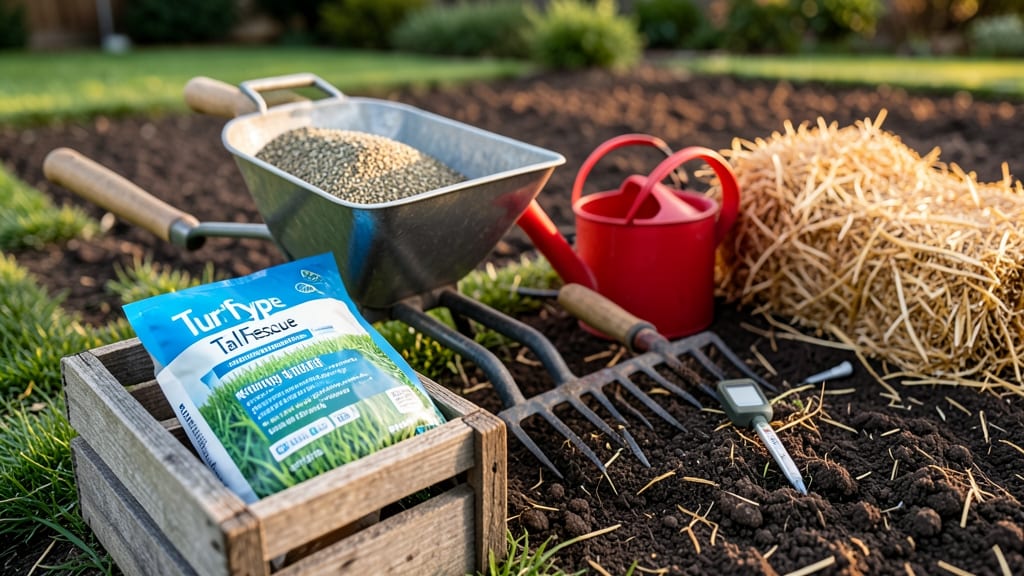
Planting grass seed in Colorado Springs at the right time means the difference between a thick, green lawn and a patchy, weed-filled disappointment.
If you’ve ever spent hours spreading seed only to watch it bake in the summer sun or freeze before it sprouts, you know timing is everything. Colorado Springs’ 6b climate gives you two prime windows—spring and fall—when soil temperatures and rainfall work in your favor.
In this guide, I’ll break down the best months for planting, how to prep your soil for success, and why microclimates (like elevation or urban heat) can shift your ideal window by weeks.
Whether you’re overseeding an existing lawn or starting fresh, these tips will help you skip the guesswork and grow a lawn that stays lush all season.
Best months to plant grass seed in Colorado Springs for optimal growth
Colorado Springs’ USDA Zone 6b climate creates unique challenges for lawn care, but with the right timing, you can establish a thick, resilient lawn. The ideal soil temperature for grass seed germination is between 60°F and 75°F—a range that occurs naturally in spring and fall.
Planting outside these windows often leads to poor germination due to extreme heat or cold.
Many gardeners assume summer is the best time, but Colorado Springs’ high-altitude sun and dry winds make summer planting risky. Instead, focus on late spring and early fall when moisture levels are higher and temperatures are moderate.
This timing also helps your lawn establish roots before winter dormancy or summer stress sets in.
Fall planting, particularly in September, is my top recommendation for Colorado Springs lawns. The cooler temperatures reduce weed competition, and the consistent rainfall helps seeds establish deep roots before winter dormancy.
Many local gardeners swear by late August to early October as the sweet spot, especially for cool-season grasses like Kentucky bluegrass and fescue.
Spring planting works well too, but you’ll need to act fast. Aim for early April to mid-May before temperatures climb above 75°F. If you miss this window, summer’s intense sun and dry winds will stress young seedlings.
For best results, prepare your soil in late winter so it’s ready to plant as soon as conditions improve.
If you’re overseeding an existing lawn, fall is still the best choice—but spring can work if you’re addressing bare patches caused by winter damage. Just be prepared for more maintenance during the hot summer months.
I’ve seen lawns planted in June or July struggle with thin, patchy growth unless given extra care like daily watering and shade cloth.
Colorado Springs’ elevation and microclimates can shift these windows slightly. For example, lawns in higher elevations (like near Pikes Peak) may benefit from planting 1-2 weeks earlier than those in lower urban areas.
Always check your local frost dates—the last frost typically hits around April 15, while the first frost arrives in mid-October.
Pro tip: Test your soil’s moisture and temperature before planting. Use a soil thermometer to confirm temperatures are in the ideal range. If your soil feels dry or is above 75°F, wait a few weeks or use shade cloth to protect young seedlings.
I’ve had better success with fall planting because the natural rainfall reduces my need for supplemental watering.
Remember, cool-season grasses (like tall fescue) dominate Colorado Springs lawns, while warm-season grasses (like Bermuda) struggle in our climate. Choose your grass type carefully—some varieties need earlier spring planting or later fall planting for optimal results. Always check the seed packet for specific recommendations.
For a thick, weed-resistant lawn, combine proper timing with soil prep and consistent care. Once you’ve planted at the right time, focus on watering deeply 2-3 times per week and avoiding foot traffic until the grass reaches 3-4 inches tall.
With the right approach, you’ll enjoy a lush lawn that stays green all season long.
How Colorado Springs' microclimates affect grass seed planting timing
Colorado Springs’ landscape isn’t just mountains and plains—it’s a patchwork of microclimates that can shift your ideal planting window by weeks. The Pikes Peak region averages 6,000 feet elevation, while neighborhoods like Broadmoor sit at 6,400 feet, creating cooler conditions.
Meanwhile, urban heat islands in downtown areas can push temperatures 5-10°F higher than rural zones, drying out soil faster.
These variations mean your neighbor’s perfect September planting might fail in your yard. For example, high-elevation areas (like Manitou Springs) often see frost until May 15, while lower elevations (like Security) may warm up by April 15.
Understanding these shifts helps you avoid seed dormancy or heat stress.
Here’s how to adjust your timing based on your specific microclimate:
For example, if you’re in Manitou Springs, aim for late May planting—soil temps hit 65°F by then, ideal for cool-season grasses like Kentucky Bluegrass. But in Security, you could start as early as March if your yard faces south and warms quickly.
Pro tip: Use a soil thermometer to confirm temps before planting. If your yard sits in a microclimate hotspot, consider shade-tolerant grasses like Fine Fescue to reduce stress. Even a 10°F difference can mean the difference between thick growth and seed failure.
Finally, account for rainfall patterns. High-elevation areas often get 10% more moisture in fall, while urban zones may need supplemental watering. Adjust your watering schedule** based on your microclimate’s typical rainfall—this keeps seeds from drying out before they sprout.
By tailoring your planting to your specific microclimate, you’ll skip the trial-and-error stage and enjoy a lawn that thrives all season. Start with these adjustments, and watch your grass seed germinate faster and stronger than ever before! 🌱