
Plants
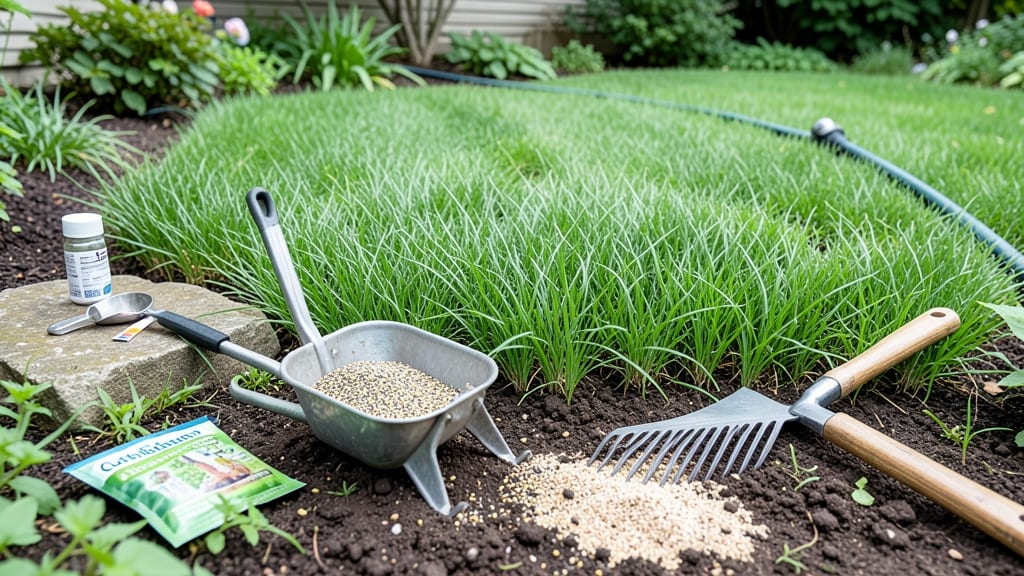
Planting grass seed in Wisconsin spring at the right time means the difference between a lush, green lawn and months of patchy, uneven growth.
If you’ve ever rushed to plant too early and watched your seeds wash away in a spring rain or freeze in a late frost, you know how critical timing is.
Wisconsin’s 4a-5b zones throw curveballs with unpredictable weather, making the late April to early June window your best bet—but even that’s not foolproof.
The key isn’t just the calendar date; it’s soil temperature, moisture levels, and avoiding common mistakes like planting on cold, compacted soil. I’ll walk you through the exact steps to time it right, from checking soil warmth to choosing the best grass varieties for your region.
By the end, you’ll know exactly when to plant, what to watch for, and how to skip the three biggest pitfalls that ruin lawns before they even start.
Wisconsin spring grass seed planting timeline: exact dates by region (2024 guide)
Wisconsin’s spring weather is famously unpredictable, with late freezes and temperature swings that can derail even the best-laid grass seed planting plans. Unlike warmer climates, timing here depends on soil temperature (not just air temperature) and historical frost data.
Plant too early, and your seeds may rot in cold, wet soil. Wait too long, and summer heat will stress young seedlings.
For consistent germination, aim to plant when soil temperatures reach a steady 50°F (10°C) at a 4-inch depth. This threshold ensures seeds activate without risking frost damage.
Wisconsin’s three distinct regions—southern, central, and northern—have different ideal windows, so let’s break it down by USDA hardiness zones and local microclimates.
In Southern Wisconsin (zones 5a-5b), where springs arrive earliest, you can start as soon as late April if soil warms to 50°F. Cities like Milwaukee and Madison often see consistent germination by May 1, but always check a 30-day frost buffer—late freezes in April aren’t unheard of.
Central Wisconsin’s 4b-5a zones (think Wausau or Stevens Point) demand patience. Wait until early May at the earliest, and prioritize tall fescue or Kentucky bluegrass varieties, which tolerate cooler soils better than warm-season grasses like Bermuda.
Northern Wisconsin’s 4a-4b zones (e.g., Green Bay or Duluth) are the most challenging. Planting before mid-May risks frost damage, even in sheltered microclimates. Use a row cover or straw mulch if you push the window to early May—but expect slower germination.
Pro tip: Use a soil thermometer ($15 at garden centers) to verify temperatures. Dig 4 inches deep in a shady spot—this is where seeds “feel” the ground’s true warmth. If your thermometer reads below 50°F, wait another week, even if the calendar says “spring.”
One mistake I see often? Gardeners in zone 5b planting too early because their neighbor’s lawn looks green by April 15. That “green” is often winter weeds or over-fertilized grass from last fall—not new seedlings. Patience pays off with thicker, healthier turf.
For shady lawns or high-traffic areas, consider fine fescue blends, which germinate faster in cooler soils. In full sun, tall fescue outcompetes weeds once established. Always water deeply (1 inch per week) for the first 30 days—this is non-negotiable for survival.
Finally, mark your 2024 planting date on your calendar now. Wisconsin’s spring window closes faster than you think—by June 15, summer heat stress becomes a real risk for new grass. Plan ahead, and your lawn will thank you with lush, even coverage
3 Critical mistakes that ruin grass seed germination before April 15 (and how to fix them)
If you’ve ever planted grass seed in Wisconsin before April 15 only to watch it fail, you’re not alone. The #1 mistake I see is rushing the process because the calendar says “spring.” But cold soil and late frosts can turn your investment into mulch before seeds even sprout.
Even in zone 5b, where springs arrive earliest, waiting until soil hits 50°F at 4 inches deep makes all the difference.
Another silent killer? Compacted clay soil that smothers seeds instead of letting them breathe. Many Wisconsin lawns sit on heavy clay that needs aeration or organic matter to loosen up.
Skipping this prep step means seeds struggle to establish roots, leaving you with patchy, weak growth—or worse, a weed magnet.
Finally, no mulch protection turns new seedlings into sitting ducks for wind, birds, and temperature swings. Without a light straw layer or row cover, your freshly planted grass is vulnerable to drying out or freezing overnight.
These three oversights explain why so many lawns look green by June—but only because weeds took over.
If your soil thermometer reads below 50°F at 4 inches deep, your seeds are at risk. Cold soil delays germination by weeks, while wet conditions cause rot.
Even in zone 5b, wait until late April at the earliest—and always check your 30-day frost buffer (see Section 1 for regional dates).
Fix it: Use a soil thermometer ($15) and straw mulch (1/4" layer) to protect seeds until soil warms. Never plant if night temps dip below 40°F—wait for consistency.
Let’s tackle the first mistake head-on: planting too early. I’ve seen gardeners in Milwaukee and Madison rush to plant by April 1 because their neighbor’s lawn looks lush.
But that “green” is often winter weeds or over-fertilized grass from last fall. Seeds planted in cold soil (below 50°F) stay dormant or rot, wasting your money.
Here’s how to fix it: Test soil temperature every morning for a week. If it’s consistently below 50°F, wait. Use a soil thermometer (not air temp!) and check at 4 inches deep—this is where seeds “feel” the ground.
In Southern Wisconsin, this usually means waiting until late April; in Northern Wisconsin, push to mid-May.
Next up: ignoring soil prep. Wisconsin’s clay-heavy soil is notorious for compacting, which blocks water and oxygen from reaching seeds. Before planting, aerate your lawn with a core aerator (rent for ~$60) or spike with a garden fork.
Then, mix in 2-3 inches of compost to improve drainage and fertility. This step alone can double your germination rate.
For the mulch mistake, think of it like a blanket for your seeds. After planting, spread a thin layer of straw (1/4 inch) or use a lightweight row cover to shield seedlings from wind, birds, and temperature swings.
Remove the mulch once grass reaches 2-3 inches tall to avoid smothering. This simple step keeps your lawn weed-free and uniform.
To self-audit your planting plan, run through this quick checklist: ☑️ Soil temp ≥50°F at 4 inches deep ☑️ No frost risk in next 30 days ☑️ Aerated/composted soil (no hardpan) ☑️ Mulch or row cover in place If any box is unchecked, wait or adjust.
Your future lawn will thank you.