
Plants
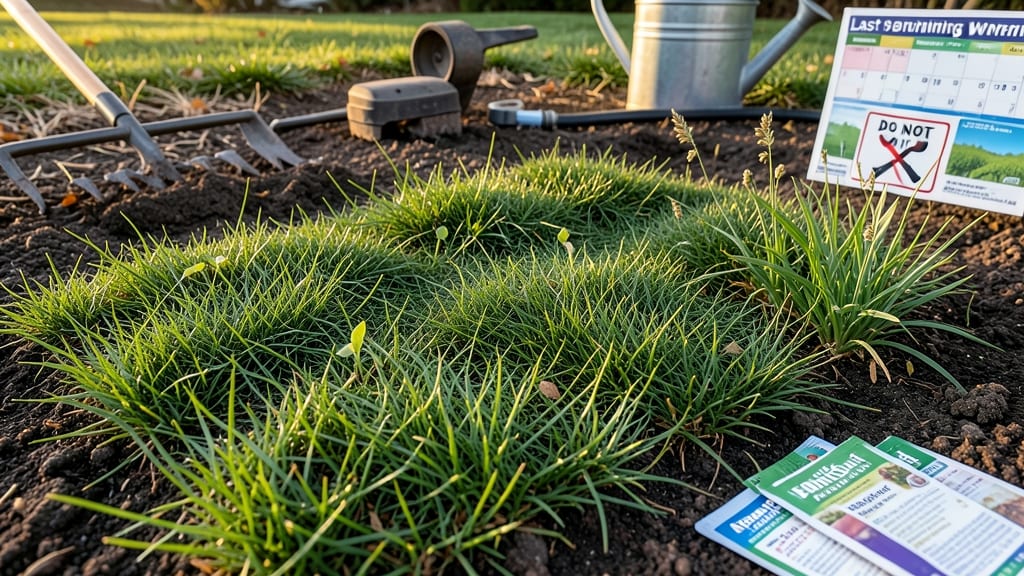
Planting grass seed in Michigan too late can mean weak roots and winter kill, so knowing when it’s too late saves you time and money.
Michigan’s unpredictable fall weather can leave gardeners wondering: Is it still safe to plant grass seed in October—or have you missed your window? Timing is everything when it comes to establishing a healthy lawn, and getting it wrong could mean winter kill or costly replanting next spring.
In zones 5b-6b, grass seed needs at least 4-6 weeks to root before the first frost—usually by mid-October in most regions. But late planting isn’t always a lost cause: cool-season grasses like Kentucky bluegrass can handle a little chill, while hydroseeding or overseeding with winter ryegrass extends your window.
Below, I’ll break down the exact frost dates by Michigan region, warning signs of late planting, and alternative strategies to salvage your lawn—even if you’ve already missed the ideal window.
Michigan’s last safe grass seed planting dates by hardiness Zone (2024 guide)
Michigan’s cool-season climate makes fall grass planting tricky—get it wrong, and you risk winter kill or weak germination. The last safe window depends on your USDA zone, with Zone 4b (Upper Peninsula) needing earlier planting than Zone 6a (southern Michigan).
For most regions, aim to finish seeding by mid-September to allow 4-6 weeks of root growth before frost.
To pinpoint your exact deadline, use the Michigan State University Frost Calculator (link in resources). This tool factors in historical frost data for your county, accounting for Michigan’s microclimates.
For example, Traverse City (Zone 5b) typically sees its first frost 2 weeks earlier than Detroit (Zone 6a), so adjust accordingly.
Cool-season grasses like Kentucky bluegrass and tall fescue are your best bets for late-season planting—they tolerate cooler soil temps (down to 50°F) better than warm-season grasses like Bermuda or Zoysia, which need warmer soil (>60°F) to germinate. If you’re in Zone 6a, you might squeeze in a late-September planting, but Zone 4b gardeners should finish by early August.
🌱 Michigan Grass Seed Planting Deadlines by Zone
| Zone | Last Safe Planting Date | First Frost Avg. | Grass Types |
|---|---|---|---|
| 4b (UP) | Early August | Mid-September | Kentucky bluegrass, Fescue |
| 5a (North) | Late August | Early October | Ryegrass, Fine fescue |
| 5b (Central) | Mid-September | Mid-October | Tall fescue, Perennial ryegrass |
| 6a (South) | Late September | Late October | All cool-season grasses |
Dates based on 30-year averages; check MSU’s frost tool for local adjustments.
If you’re planting in late September or October, focus on soil prep first. Cool soil slows germination, so till in compost to warm the bed and improve drainage. A thin layer of straw mulch (¼ inch) after seeding helps retain moisture and insulate seeds from early frosts.
For Zone 4b, consider hydroseeding—it establishes faster and holds moisture better in dry autumns.
For warm-season grasses like Bermuda or Zoysia, late planting is a gamble. These varieties need consistent warmth to germinate, so if you’re in Zone 5b or colder, wait until spring (after last frost).
In Zone 6a, you might* get away with late-August planting, but germination will be slow and spotty.
Pro tip: Test your soil temperature with a soil thermometer before planting. Grass seed needs soil at least 50°F for cool-season types and 60°F+ for warm-season. If temps drop below 40°F, germination stops entirely. Use a black plastic tarp for 1-2 weeks to warm cold soil before seeding.
Don’t panic if you’ve missed the window—overseeding with winter ryegrass in late fall can still improve your lawn’s density before spring.
Just avoid planting after mid-October in Zone 4b or after early November in Zone 6a, as seeds won’t have time to establish before snow cover or freezing temps.
For spring planting, mark your calendar for early April (after the last frost). Soil warms faster in spring,
5 Warning signs you’ve planted grass seed too late in Michigan
Even if you’ve planted grass seed in late October, your lawn might still have a chance—but only if you recognize the warning signs of late planting. Michigan’s cool-season grasses like Kentucky bluegrass and fescue can handle some chill, but when soil temperatures dip below 50°F (10°C), germination slows dramatically.
If you’ve missed the ideal window, these red flags will help you decide whether to intervene or wait for spring.
First, check your seedling growth rate. Healthy grass should sprout within 7-14 days of planting. If germination takes 3+ weeks or seedlings appear sparse, your soil may be too cold for proper root development.
Late planting often results in weak, shallow roots that struggle to survive winter, leaving your lawn vulnerable to frost heave and snow mold.
🌱
⚠️ Too Late to Plant Grass Seed in Michigan?
Soil temp below 50°F (10°C) = germination halts. If your last frost is 4+ weeks away and seeds haven’t sprouted in 2 weeks, replant in spring. For late-October plantings, use winter ryegrass or hydroseeding to extend your window.
Checklist for Salvaging Late Plantings:
- ✅ Soil temp ≥ 50°F (use a soil thermometer)
- ✅ Germination within 14 days
- ✅ No fungal growth (mushy, discolored patches)
- ✅ Moisture consistent (not soggy or dry)
Next, watch for fungal growth, which thrives in cold, damp conditions. Late-planted grass often develops snow mold or pythium blight, identifiable by grayish-white fungal threads or circular patches of dead grass.
If you spot these, reduce watering immediately and consider applying a fungicide labeled for lawn diseases. Overwatering in cold weather is a common mistake that accelerates fungal spread.
Discolored seedlings—especially yellowing or purple tinges—are another clear sign of stress. Late plantings often suffer from nutrient deficiencies because cool soil locks out essential minerals.
If your seedlings look weak or stunted, apply a light nitrogen fertilizer (like a 20-0-0 blend) to jumpstart growth, but avoid heavy feeding, which can burn tender roots in cold weather.
Finally, if your lawn shows uneven germination (some areas sprouting, others bare), it’s likely due to inconsistent soil temperatures. Shady spots or compacted soil cool faster, delaying sprouting. To salvage these areas, use a seed starter fertilizer and a thin layer of straw mulch to insulate the soil.
This can buy your seeds an extra 2-3 weeks before winter sets in.
If you’ve spotted 3+ of these warning signs, your best bet may be to wait until spring for a full replant. But with careful moisture management and the right grass variety, late-October plantings can still yield a thicker lawn next season—just don’t expect miracles if frost is looming.