
Plants
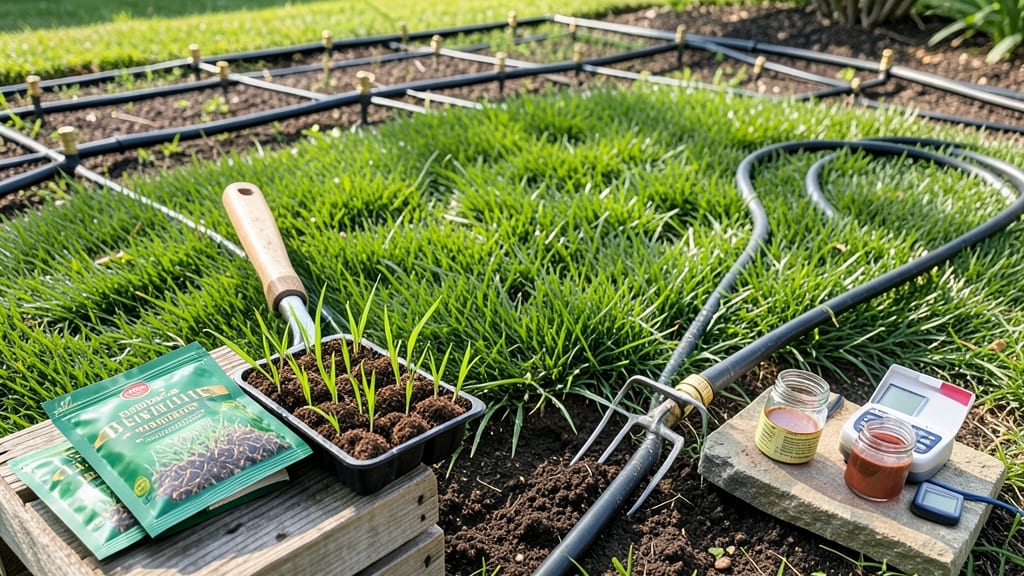
Planting Bermuda grass seed in Georgia between mid-April and late May sets the stage for a thick, heat-resistant lawn 🌱 — the 6-week window where soil warmth and rainfall align perfectly to outpace weeds and drought.
Miss that timing, and you’re stuck with seedlings that either rot in cool soil or wither under July’s scorching sun. I’ve seen both happen in my own yard, and trust me, the brown patches aren’t pretty.
This isn’t just about months—it’s about soil temperature hitting 65°F (or warmer) and avoiding those sneaky late frosts that can still creep into Atlanta or Augusta. Below, I’ll walk you through how to check your soil’s readiness, adjust for your specific Georgia region, and even salvage a planting gone wrong.
You’ll leave here knowing the exact dates for your county, how to prep your soil for maximum germination, and why late August is your second-best shot at success. No guesswork, just a lawn that thrives when the heat kicks in.
Georgia’s ideal Bermuda grass planting window: late spring heat tolerance explained
Bermuda grass thrives in Georgia’s heat, but only if you plant it during the 6-week window when soil temperatures consistently stay above 65°F. This window—roughly mid-April to late May—aligns with nature’s schedule to give your grass seedlings the best shot at survival and rapid growth.
Plant too early, and you risk frost damage; too late, and summer drought will stunt their development.
Southern Georgia (coastal areas like Savannah) can start as early as late March, while Northern Georgia (Athens, Dalton) may need to wait until early May. The difference comes down to microclimates, soil warmth, and rainfall patterns.
I’ve seen neighbors in Macon rush planting in April only to watch their seeds rot—so let’s break down how to get this right.
Your first step is checking soil temperature, not just air temperature. A soil thermometer ($10 at any garden center) is your best friend here.
Bury it 4 inches deep in full sun and monitor readings for 3 consecutive days above 65°F. Seed packets often suggest planting when soil hits 60°F, but in Georgia’s humidity, that’s a recipe for fungal diseases like damping off.
Rainfall also plays a critical role. Georgia’s April showers can either help or hinder germination. Aim to plant when 1–1.5 inches of rain falls weekly—either naturally or via irrigation.
Too much rain? Your seeds will suffocate; too little, and they’ll dry out before sprouting. A moisture meter (another $10 tool) helps track soil moisture without overwatering.
Here’s the hard deadline you can’t miss: June 1. After this date, daytime temperatures often exceed 90°F, and newly planted Bermuda grass struggles to establish roots before summer drought sets in.
If you’re in the Piedmont region (Columbus, Gainesville), push planting to late May to avoid early heat stress.
| Region | Optimal Planting Window | Soil Temp Requirement | Key Risk | DIY Readiness Test |
|---|---|---|---|---|
| Southern GA (Savannah, Brunswick) | Late March–April 30 | 65°F+ (warmer earlier) | Late frost | Check NOAA frost maps |
| Central GA (Macon, Warner Robins) | April 15–May 15 | 65°F+ (steady) | April showers (overwatering) | Use moisture meter |
| Northern GA (Atlanta, Dalton) | May 1–May 31 | 65°F+ (late warm-up) | Summer drought | Test soil depth with thermometer |
| Mountain GA (Blue Ridge) | Late May–June 1 | 65°F+ (short window) | Weed competition | Pre-treat soil with pre-emergent |
If you’re still unsure, follow the seed packet’s “after last frost” guideline but add a 2-week buffer. For example, if the packet says “plant after April 15,” wait until May 1 in Atlanta to account for unpredictable late frosts.
I’ve used this rule for years, and it’s saved my lawn from more brown patches than I can count.
One trick I swear by? Planting in small sections every 2 weeks within your window. This staggered approach ensures you’re not betting everything on one planting date. Start with a 10x10-foot plot, monitor its progress, and expand if the first batch thrives.
This method also helps you spot problems early—like uneven germination or pest activity.
Don’t overlook soil preparation either. Bermuda grass needs well-draining soil with a pH between 6.0–7.5. Test your soil (kits cost $20 and take 3 days) and amend with compost or lime if needed.
Compacted soil? Rent a core aerator to break it up before planting. Skipping this step means your grass will struggle to root deeply, leaving it vulnerable to heat stress.
Finally, remember that late August to early September offers a second planting window for Georgia gardeners. While not as ideal as spring, this fall window lets you establish grass before winter dormancy sets in.
Just be prepared to water deeply and use a light mulch to retain moisture as temperatures drop.
Timing your Bermuda grass
5 Critical factors that determine your exact planting date in Georgia
Your bermuda grass seed won’t germinate properly if planted too early—even if the calendar says "spring." The soil must hit 65°F at a 4-inch depth, and that timing varies wildly across Georgia’s USDA zones 7a-8b.
In Savannah, you might be ready by early April, while Atlanta could still face frost risks into mid-May. Ignoring this rule means seedlings that rot instead of sprout.
Georgia’s April showers create another hurdle. Too much rain after planting washes seeds away or causes fungal diseases like Pythium, while drought in May can dry out newly sprouted grass. I’ve seen both scenarios ruin entire lawns—so checking your local NOAA rainfall forecast 2 weeks before planting is non-negotiable.
Here’s your actionable checklist to pinpoint the perfect planting date for your Georgia region:
- 1. Soil Temperature: Wait until soil reaches 65°F+ at 4" depth. Use a soil thermometer—don’t guess! Coastal areas (Savannah) hit this by mid-April, while Piedmont (Atlanta) may wait until late May.
- 2. Frost Risk: Check NOAA’s frost maps for your county. Atlanta’s last frost averages March 15, but Augusta can see frost into April 10. Plant 2 weeks after your area’s last frost date.
- 3. Rainfall Patterns: Aim for 0.5–1 inch of rain weekly after planting. If NOAA predicts 2+ inches in 48 hours, delay planting to avoid seed erosion or disease.
-
4. Seed Packet Override: Most packets say "spring," but Georgia’s climate demands local data. Cross-reference with:
- NOAA Climate Data (your county’s avg. last frost)
- Local Extension Service reports (e.g., UGA Cooperative Extension)
- Neighbor’s success (ask when they planted nearby)
- 5. Backup Window: If you miss spring, your second chance is late August–early September. Soil temps drop after Labor Day, so plant by September 10 in Northern GA or September 20 in Southern GA.
For example, if you’re in Augusta, your ideal window is April 20–May 10—but if NOAA predicts heavy rain, shift to May 15–25. I once planted too early in Athens and lost half my seed to frost—don’t make that mistake.
Pro tip: Use a black plastic mulch to warm soil faster if you’re in a cooler microclimate (like the Blue Ridge Mountains). Lay it down 2 weeks before planting to speed up germination. Just remember to remove it once grass reaches 2 inches tall to avoid smothering.
Your exact planting date depends on these factors working together. Check all five before grabbing your seed—because in Georgia, timing isn’t flexible. Once the heat hits, your bermuda grass will thank you for getting it right. 🌿