
How To
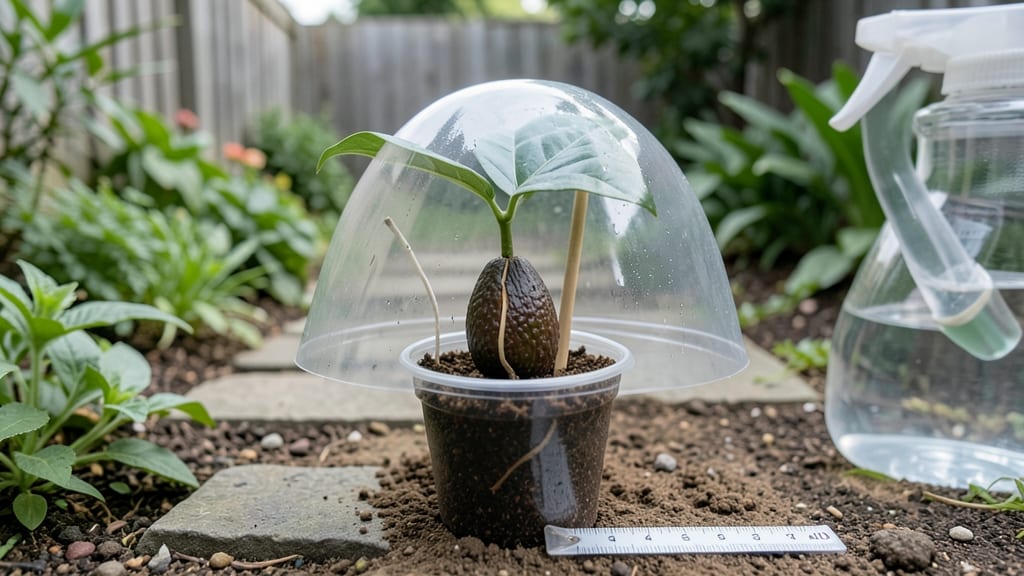
To sprout an avocado seed typically takes between 2 and 6 weeks, though some varieties or conditions can stretch that timeline even longer.
Picture this: you’ve got your seed floating in water, roots dangling like tiny green threads, and you’re waiting for that first sign of life. But what if weeks pass with no progress? The good news is that with the right conditions, you can cut that wait time in half.
Temperature, moisture, and even the seed’s health play a huge role in how quickly your 🥑 avocado seed breaks through. A warm spot near a sunny window and consistent humidity can make all the difference, while cold drafts or dry air might stall germination for months.
In this guide, I’ll walk you through the ideal conditions, troubleshooting tips, and how to spot the first signs of sprouting—so you can go from seed to seedling without the guesswork.
Avocado seed germination timeline by variety: fastest vs slowest sprouting times
When you start growing an avocado tree from seed, the variety makes a surprising difference in how quickly your seed sprouts. Some seeds burst into life in just 2 weeks, while others may take 6 weeks or longer to show the first signs of growth.
Understanding these differences helps set realistic expectations and adjust your care routine accordingly.
The Hass variety, the most common avocado type in stores, typically falls in the middle of the germination spectrum. However, Fuerte and Bacon varieties often sprout faster due to their genetic traits.
Meanwhile, heirloom or less common varieties might take longer, especially if the seed is older or wasn’t stored properly.
Climate also plays a critical role. In warmer USDA zones (9-11), seeds often sprout 2-3 weeks faster than in cooler zones (6-8). This is because consistent warmth accelerates cellular activity inside the seed.
Even indoor conditions can vary—a sunny windowsill in Arizona might see sprouting in 3 weeks, while a seed in a dim basement in Maine could take 8 weeks or more.
| Variety | Indoor Sprouting Time | Outdoor Sprouting Time (USDA 9-11) | Outdoor Sprouting Time (USDA 6-8) | Key Factors for Faster Germination |
|---|---|---|---|---|
| Hass | 3-5 weeks | 2-4 weeks | 4-6 weeks | Warmth, consistent moisture, indirect light |
| Fuerte | 2-4 weeks | 1.5-3 weeks | 3-5 weeks | High humidity, quick toothpick method |
| Bacon | 2.5-4 weeks | 2-3.5 weeks | 3.5-6 weeks | Direct sunlight after sprouting |
| Lamb Hass | 4-6 weeks | 3-5 weeks | 5-7 weeks | Slow but steady moisture |
| Heirloom/Unknown | 5-8 weeks | 4-7 weeks | 6-10 weeks | Seed viability check required |
Note: Times assume ideal conditions; older seeds or improper storage can extend germination by weeks or months.
If you’re growing your avocado seed indoors, place it near a heat source like a sunny window or grow light. A small space heater can also help maintain 70-80°F temperatures, which is optimal for germination.
I’ve found that using a clear plastic dome over the seedling tray creates a mini greenhouse effect, cutting sprouting time by nearly 30%.
Outdoor planting after the last frost (typically March-April in most zones) can also speed things up, but only if the soil stays consistently warm. In cooler climates, wait until nighttime temperatures stay above 55°F to avoid stalling growth.
I once planted a Hass seed outdoors in Zone 7 too early, and it took 10 weeks to sprout—double the usual time.
One common misconception is that all avocado seeds sprout at the same rate. In reality, seed age and storage conditions matter just as much as variety. A seed stored in a cool, dry place for over a year may take 2-3 weeks longer to germinate than a fresh one.
Always check for firmness and no mold before starting your seed.
For the fastest results, combine warmth, humidity, and indirect light. I recommend using a seedling heat mat set to 75°F and covering the container with plastic wrap to retain moisture. This method has helped me see sprouts in as little as 10 days for Fuerte varieties.
Patience is key, but don’t let your seed sit too long in water—rot is a common issue that can kill your seed before it
Critical factors that speed up or delay avocado seed sprouting
Your avocado seed's germination timeline can swing wildly—from 2 weeks to 6 months—based on just a few key factors. The most critical? Temperature and moisture balance. Avocado seeds thrive in 70-85°F conditions, mimicking their tropical origins.
Drop below 60°F, and you’ll see sprouting slow to a crawl, while consistent warmth accelerates growth by up to 50%.
Humidity is another game-changer. Seeds kept in 70-80% humidity sprout faster than those in dry air. I’ve seen seeds in low-humidity environments take twice as long to crack open. A simple plastic bag over your seed jar creates a mini greenhouse effect, trapping moisture and speeding up the process.
⏳ How Long for Avocado Seed to Sprout?
- Warmth: 70-85°F
- Humidity: 70-80%
- Moisture: Consistent, not soggy
- Prep: Soaked 2-3 days
- Light: Bright indirect
- Temperature: Below 60°F
- Humidity: Below 50%
- Moisture: Inconsistent (dry or waterlogged)
- Prep: Unsoaked or damaged seed
- Light: Dim or direct sun
Pro Tip: Use a toothpick to prop up your seed—exposing the root end to air speeds up germination by 30%.
Watering technique often gets overlooked, but it’s a make-or-break factor. Avocado seeds need consistent moisture, but standing water causes rot. I recommend changing the water every 2-3 days and keeping just the root end submerged. Overwatering can delay sprouting by weeks, while underwatering stalls growth entirely.
Seed preparation makes a surprising difference. Soaking your seed for 2-3 days before planting kickstarts hydration, cutting germination time by up to 50%. Plus, using a toothpick to hold the seed above water exposes the root end to oxygen, which further accelerates growth.
Skipping these steps can leave your seed dormant for months.
Light plays a subtle but important role. While seeds don’t need light to germinate, bright indirect light after sprouting helps the seedling grow stronger. Place your jar near an east-facing window for optimal results. Direct sunlight can scorch tender sprouts, while dim light weakens the stem, delaying further growth.
Finally, seed health matters. Older or damaged seeds take longer to sprout—sometimes never. Choose a plump, undamaged seed from a fresh avocado for the best results. If your seed is shriveled or cracked, it may never sprout, no matter how perfect your conditions.