
Lawn
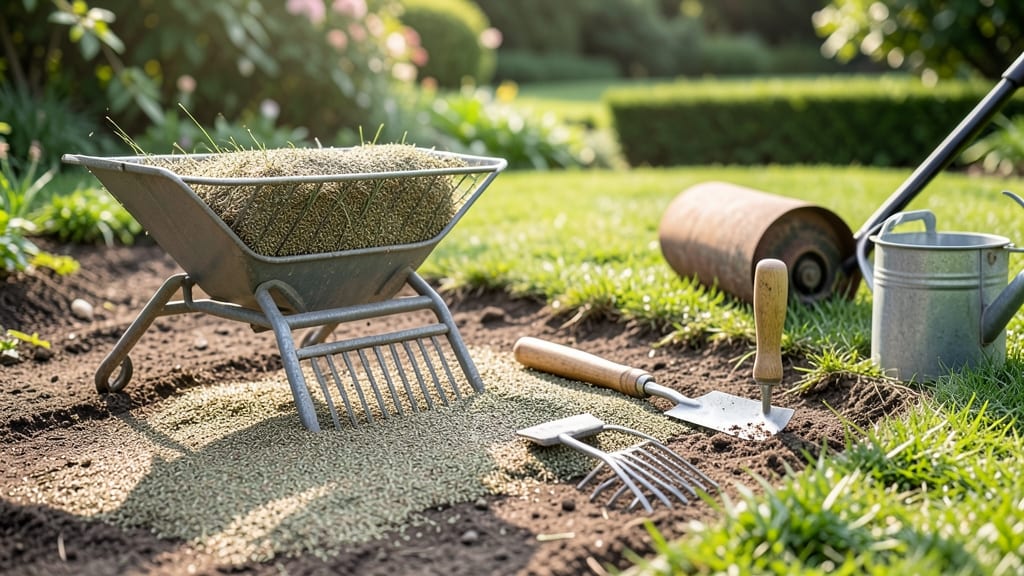
Planting lawn seed in the fall can give you a thicker, greener lawn next spring—if you time it right.
Picture this: you’ve spent hours prepping soil, choosing the perfect seed mix, and even battling weeds—but your lawn still looks patchy. The problem?
You planted too early or too late, leaving your grass vulnerable to summer heat or winter frost. Four to six weeks before your first frost is the sweet spot, but your exact window depends on where you live.
Fall planting works because cooler temperatures help seeds germinate without stressing young grass. Weeds slow down too, giving your lawn a fighting chance. But miss that window, and you’ll either deal with weed takeovers or weak roots that struggle to survive winter.
In this guide, I’ll break down the ideal fall planting dates by USDA zone, share soil prep secrets, and walk you through post-planting care—so you can skip the guesswork and grow a lawn that’s the envy of the neighborhood.
Best fall lawn seed planting dates by US hardiness zone: a month-by-month breakdown
Fall is the best time to plant lawn seed because cooler temperatures help seeds germinate while weeds slow down. But your exact planting window depends on your USDA hardiness zone, local frost dates, and soil conditions.
In Zones 3–10, planting too early means battling summer heat and weeds, while planting too late risks frost damage before roots establish.
I’ve broken down the ideal fall planting months by zone, including soil temperature targets and regional adjustments. For example, gardeners in the Pacific Northwest (Zone 7–9) have a longer window than those in the Deep South (Zone 8–10), where humidity and pests play a bigger role.
Let’s dive into the specifics so you can plant with confidence.
The key to success is planting 4–6 weeks before your first frost when soil temperatures hover between 60–75°F. This gives grass seeds time to germinate and develop roots before winter dormancy.
Below, I’ve included a zone-by-zone planting calendar with month-by-month guidance, plus tips for adjusting based on your local climate.
For Zones 3–4, where winters are harsh, focus on cool-season grasses like Kentucky bluegrass or tall fescue. These varieties thrive in cooler soil and can handle early frosts better than warm-season grasses.
Plant in mid-August to give seeds time to germinate before the ground freezes—aim for 4–6 weeks before your first frost date.
In Zones 5–6, you have a bit more flexibility. Late August through mid-October is ideal, but avoid planting after the first frost.
If you’re in the Pacific Northwest, where summers are mild, you can extend your window into early November, but monitor rainfall to prevent waterlogging. Soil temperature is your best guide—wait until it drops below 80°F to avoid stressing young seedlings.
Gardeners in Zones 7–8 enjoy the longest fall planting window, from early September to late October. This region includes diverse climates, like the Mid-Atlantic and Pacific Northwest. In humid areas, watch for fungal diseases like brown patch—keep your lawn well-aerated and avoid overwatering.
If you’re in Zone 8, you can push planting into November, but choose drought-tolerant varieties like Bermuda grass if summers are dry.
For Zones 9–10, where winters are mild, you can plant as late as early November. However, the real challenge is avoiding summer heat stress. Plant in late August to early September to let seeds germinate before temperatures rise again.
In coastal areas, salt tolerance may be a factor—opt for varieties like Zoysia grass if your lawn is near the ocean.
Regardless of your zone, always test your soil temperature before planting. Use a soil thermometer to confirm it’s within the ideal range. If your local frost date is uncertain, check the National Weather Service or your state’s agricultural extension service for updates.
Pro tip: Overseeding in fall can also revive an existing lawn—just adjust your timing to match the new growth window.
Remember, fall planting isn’t just about timing—it’s also about preparing your soil. Loosen compacted areas, remove weeds, and add compost to give your new grass the best start. With the right zone-specific approach, you’ll have a thicker, greener lawn by next spring—no guesswork required. 🌱
5 Critical signs your fall lawn seed planting timing is perfect (or wrong)
Timing your fall lawn seed planting can mean the difference between a thick, vibrant lawn and a patchy disappointment. The ideal window is narrow—too early, and weeds steal the show; too late, and frost halts growth.
But how do you know when it's just right? Here are the 5 critical signs to watch for before you plant.
First, check your soil temperature—it should hover between 60°F and 75°F at a depth of 2 inches. Use a soil thermometer to confirm; cooler temps signal it’s time to act. This range ensures seeds germinate quickly without overheating, giving your grass a strong start before winter sets in.
Next, observe your daylight hours. Aim to plant when days are shortening but still offer 10–12 hours of daylight. This balance gives seeds enough light for photosynthesis while slowing weed growth. If your area is already seeing shorter days, you might be cutting it close.
🌱 Numbered Highlights: Perfect Fall Lawn Seed Planting Timing
- 🌡️ Soil Temp Check: 60°F–75°F at 2" depth (use a thermometer!)
- ⏰ Daylight Hours: 10–12 hours of sun (weeds slow when days shorten)
- 🌱 Weed Activity: Weeds are dormant or slowing—your grass won’t compete with them
- ❄️ Frost Forecast: 4–6 weeks until first frost (roots need time to establish)
- 💧 Moisture Readiness: Soil is moist but not waterlogged (test by squeezing a handful)
Weed competition is another tell-tale sign. If weeds like crabgrass or clover are already slowing down, your lawn seed has a better chance to thrive.
Pull a few weeds—if they’re brittle or yellowing, it’s a green light to plant. Conversely, if weeds are still growing vigorously, wait a few weeks.
Don’t ignore your local frost forecast. Planting 4–6 weeks before the first frost gives roots time to establish before winter dormancy. Check your USDA hardiness zone and set a reminder for your area’s average first frost date.
For example, Zone 5 gardeners should aim for mid-September, while Zone 8 can plant into early November.
Finally, test your soil moisture. Squeeze a handful of soil—it should hold together but not be soggy. If it’s dry, water deeply the day before planting.
If it’s muddy, wait for it to dry slightly. Proper moisture ensures seeds stay hydrated during germination, setting the stage for a dense, resilient lawn.
Missed the window? No problem. Adjust your approach by choosing cold-hardy seed varieties like tall fescue or ryegrass, and use frost blankets to protect young shoots. But when these signs align, you’re ready to plant with confidence—your future lawn will thank you! 🌿