
Lawn
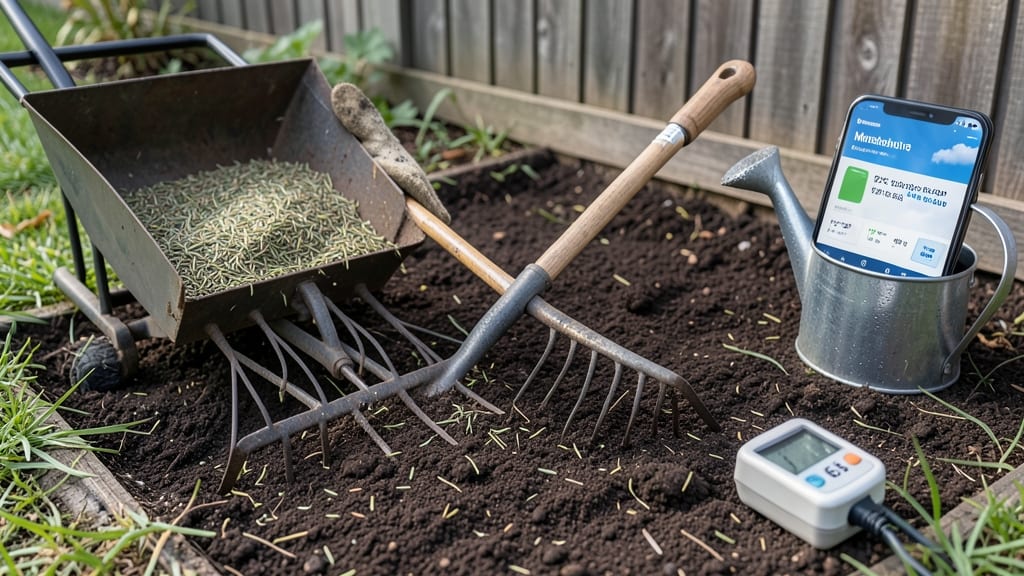
Planting lawn seed in Melbourne during autumn gives your grass the best shot at strong roots before winter’s mild chill sets in.
If you’ve ever watched your new lawn struggle through a late-spring heatwave or fade into dormancy too soon, you know timing is everything. Melbourne’s temperate maritime climate means autumn is the sweet spot—soil stays warm enough for germination, but cooler days slow down weed competition.
This guide breaks down the ideal window (March to May), how to prep your soil for Melbourne’s often clay-heavy ground, and the one mistake even experienced gardeners make when seeding too late.
By the end, you’ll have a clear checklist for when to plant, what seed to choose, and how to keep your lawn thriving through Melbourne’s unpredictable seasons.
Best autumn months to plant lawn seed in Melbourne for optimal root development
Melbourne’s autumn months offer the perfect balance of cool temperatures and increased rainfall, creating ideal conditions for lawn seed germination. Unlike spring, autumn’s soil warmth remains consistent, while frost risks stay minimal until late May.
This window—March through May—lets your grass establish deep roots before winter slows growth.
Timing is critical because Melbourne’s autumn can swing from unseasonably warm to chilly nights. Planting too early (February) risks heat stress on young seedlings, while waiting until June increases frost exposure. The sweet spot is early autumn, when soil temps hover between 15–20°C (59–68°F), perfect for germination.
The summary-table below breaks down Melbourne’s autumn planting window, including soil conditions, frost risks, and ideal seed varieties for your region. Use this as your seasonal checklist to avoid common mistakes.
For early autumn planting (March), prioritize soil preparation—Melbourne’s clay soils can compact easily. Use a garden fork to loosen the top 10cm (4 inches) and mix in organic matter like compost or aged manure.
This improves drainage and water retention, which are critical when daytime temps can still hit 25°C (77°F).
If you’re seeding in late autumn (May), monitor frost forecasts closely. While Melbourne rarely sees frost, cold snaps can occur in inland areas. Choose cold-hardy varieties like tall fescue or ryegrass, and apply a light straw mulch to insulate seedlings.
Avoid planting after mid-May, as growth slows dramatically.
Adjust your watering schedule based on Melbourne’s autumn rainfall. March and April often see dry spells, so water deeply 2–3 times per week until germination (about 10–14 days).
Once sprouted, reduce to weekly deep watering to encourage root depth. Use a rain gauge to track moisture—Melbourne’s variable autumn rains can fool you into over- or under-watering.
Pro tip: Seed in the morning to reduce evaporation and pest activity. Melbourne’s autumn winds can dry out soil quickly, so keep a spray bottle handy to mist seedlings daily until they’re 2–3cm tall.
This extra care pays off—grass planted in March–April often outpaces spring plantings by 30–40% in root development.
Don’t overlook weed control before seeding. Melbourne’s autumn weeds, like dandelions and clover, compete aggressively with young grass. Apply a pre-emergent herbicide 2 weeks before planting, or hand-pull weeds after loosening the soil. A clean seedbed ensures your lawn gets the nutrients and sunlight it needs to thrive.
Finally, fertilize lightly after seeding. Use a low-nitrogen starter fertilizer (e.g.,
How to prepare Melbourne’s soil for lawn seeding: pH, drainage, and organic matter tips
Melbourne’s clay-heavy soil can be a double-edged sword—it holds moisture well but often compacts, smothering new grass roots. Before seeding in autumn, I always test my soil’s pH, drainage, and organic content to create the perfect foundation.
The right prep ensures your lawn seeds germinate quickly and establish strong roots before winter’s mild chill sets in.
Start by testing your soil’s pH level using a simple kit from your garden center. Melbourne’s native soils often lean acidic (pH < 6.0), but most lawn grasses thrive in a neutral to slightly alkaline range (6.0–7.0).
If your test shows a pH below 6.0, add pelletized lime (follow package rates) and work it into the top 5–10 cm of soil 4–6 weeks before seeding.
⚠️ callout-warning
Even in autumn, sudden heatwaves (like the March "Four Seasons in One Day" events) can dry out soil and stress new seedlings. Always monitor 7-day forecasts and delay seeding if temperatures exceed 25°C (77°F) for more than 3 days. Use a light shade cloth if planting early March to protect tender sprouts.
Next, tackle drainage issues—Melbourne’s clay can turn into a soggy mess after rain. If water pools after 24 hours, your soil needs amending. Mix in coarse sand or gypsum (1 part to 3 parts soil) to break up compaction.
For severe cases, consider aeration with a garden fork or renting a core aerator to create 10–15 cm deep holes every 15 cm apart.
Boost organic matter by adding compost or well-rotted manure (2–3 cm layer) and lightly raking it in. This improves soil structure, retains moisture, and provides nutrients for early root growth. For clay-heavy spots, blend in peat moss or coconut coir to lighten the texture without altering the pH.
Finally, level the soil surface with a rake, removing any rocks or debris that could impede seed-to-soil contact. A smooth, firm base ensures even seed distribution and consistent moisture retention.
After prep, water the area deeply (1 inch/25mm) to settle the soil and create the perfect seedbed for your autumn planting.
With these steps, your Melbourne lawn will have the ideal growing conditions to germinate quickly and outcompete weeds before winter’s mild temperatures slow everything down. The key? Test, amend, and monitor—your future lawn will thank you! 🌱