
Planting
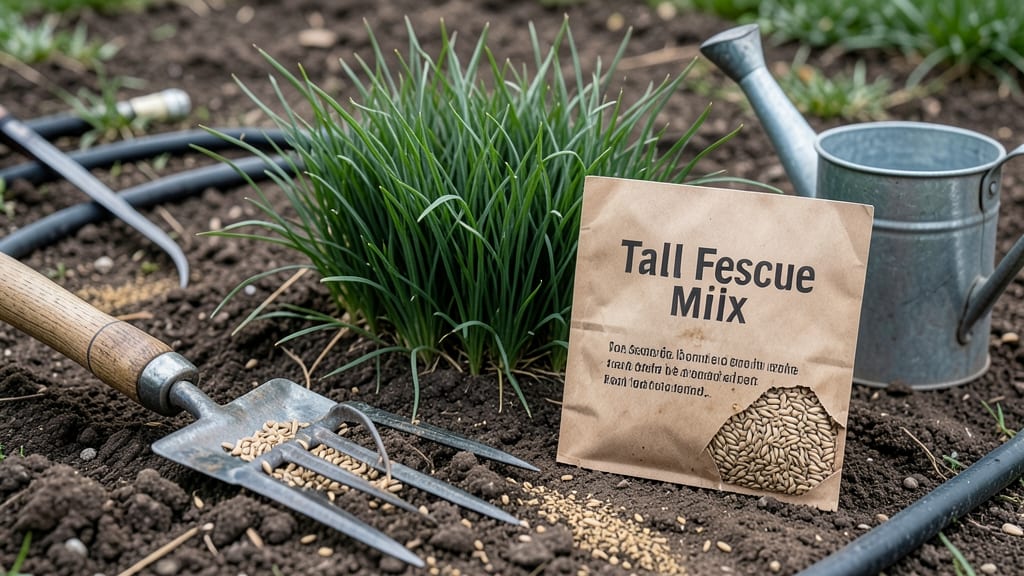
Planting lawn seed in autumn gives you a head start on a lush, thick lawn by leveraging cooler temperatures and fewer weeds 🌱 — the perfect conditions for strong root growth before winter.
Picture this: you’ve spent all summer battling weeds and scorched patches, only to watch your lawn struggle to recover. Autumn changes the game, offering a 6-week window where seeds germinate easily, weeds retreat, and consistent moisture works in your favor.
But timing isn’t the only factor—soil prep, seed type, and post-planting care all make or break your lawn’s success. Skip the guesswork and learn the 3 key steps to plant lawn seed in autumn like a pro, from soil testing to watering schedules.
Whether you’re patching bare spots or seeding a whole yard, this guide cuts through the confusion so you end up with a lawn that’s thicker, greener, and weed-resistant by spring.
3 Critical factors for autumn lawn seed success (soil, timing & seed types)
Autumn’s cooler temperatures and reduced weed competition create the perfect window for lawn seeding—if you get the three key factors right. First, soil temperature must stay between 60°F and 75°F for optimal germination.
Second, planting timing varies by region, with northern zones benefiting from early September starts while southern areas can extend to late October. Finally, choosing the right seed type (cool-season vs. warm-season) ensures your grass thrives in your climate.
Skipping any of these steps can leave you with patchy growth or wasted seed. For example, planting warm-season grass in autumn will fail in northern climates—it needs summer heat to establish.
Meanwhile, cool-season grasses like Kentucky bluegrass or fescue thrive when seeded in fall, using the 6-week window before frost to develop deep roots. Let’s break down each factor so you can plant with confidence.
Here’s how these three elements interact: Soil prep sets the stage for seed germination, timing ensures seeds don’t freeze before sprouting, and seed selection matches your climate. Get them all aligned, and you’ll see thicker, greener grass by spring—no guesswork required.
Let’s start with soil temperature, the unsung hero of autumn seeding. Most lawn seeds need soil temps between 60°F and 75°F to germinate. Below 55°F, growth stalls, while above 80°F, seeds dry out too quickly.
Use a soil thermometer to check depths of 2–4 inches—this is where seeds will sprout. In cooler climates, aim for late August to early September when daytime temps hover around 70°F. Southern regions can extend planting until mid-November, but monitor frost dates.
Next, timing isn’t one-size-fits-all. The 4–6 week rule before your first frost is your golden window. For example, if frost hits November 15, plant by October 1. Miss this window, and seeds may not establish roots before dormancy.
Pro tip: Check your USDA hardiness zone—zones 3–5 should seed earlier than zones 7–9, where warm-season grasses like Bermuda can still be overseeded in fall for winter color.
Finally, seed selection makes or breaks your lawn. Cool-season grasses (think Kentucky bluegrass or tall fesc
Step-by-step autumn lawn planting process (from prep to germination)
Autumn’s cooler temps and fewer weeds create the perfect window for planting lawn seed, but success hinges on precise execution. Start by testing your soil pH—ideal levels for most grass types fall between 6.0 and 7.0.
If your soil is too acidic, add lime 4-6 weeks before planting; for alkaline soil, use sulfur. This step ensures seeds germinate evenly and roots establish deeply before winter.
Once your soil is ready, clear the area of debris and loosen the top 2-3 inches with a rake or tiller. This breaks up compacted soil, allowing seeds to make direct contact with nutrients.
For small patches, a hand rake works fine, but larger areas benefit from a rototiller for deeper aeration. Aim for a fine tilth—think of it as fluffy soil ready for planting.
- Test Soil pH: Use a soil test kit to check levels (6.0-7.0 ideal). Amend with lime or sulfur 4-6 weeks before planting.
- Clear & Loosen Soil: Remove debris, then till or rake top 2-3 inches to a fine tilth. Break up clumps for even seed contact.
- Choose Seed & Spread: Select cool-season grass (e.g., fescue, ryegrass). Spread by hand (small areas) or with a broadcaster (large areas). Mix seed with sand for even distribution.
- Lightly Rake & Water: Drag a stiff-bristle rake lightly to cover seeds with 1/4-inch soil. Water immediately with a gentle spray to settle seeds.
- Water Daily (Morning): Keep soil consistently moist (1/4-inch deep) for 14-21 days until germination. Use a sprinkler on low setting.
- Fertilize After Germination: Apply a starter fertilizer (high phosphorus) once grass reaches 2-3 inches tall. Avoid heavy feeding until spring.
Selecting the right seed blend is non-negotiable—cool-season grasses like tall fescue or perennial ryegrass thrive in autumn’s mild temps. For shady areas, opt for fine fescue, while sunny spots benefit from Kentucky bluegrass.
Mix seeds with sand (1:1 ratio) to spread evenly, especially in windy conditions. Hand-spreading works for small patches, but a broadcaster saves time on larger lawns—just calibrate it to avoid overlapping rows.
After spreading, use a stiff-bristle rake to lightly cover seeds with 1/4-inch of soil. This protects them from birds and wind while ensuring moisture contact. Water immediately with a gentle spray to settle seeds into place.
Pro tip: Avoid heavy watering at this stage—it can bury seeds too deeply, delaying germination. Instead, aim for a light misting that keeps the surface damp.
For the next 14-21 days, water daily in the morning to keep the top 1/4-inch of soil moist. Use a sprinkler on a low setting to avoid dislodging seeds. Once sprouts appear, reduce watering to 2-3 times per week, ensuring 1 inch of water penetrates the soil.
Overwatering here is a common pitfall—it can suffocate seeds or encourage fungal growth. Aim for consistency, not saturation.
Once your lawn reaches 2-3 inches tall (typically 4-6 weeks after planting), apply a starter fertilizer with high phosphorus to encourage root growth. Skip heavy nitrogen feeds until spring—too much early fertilization can burn tender seedlings.
In late autumn, add a light winterizer fertilizer (low nitrogen) to strengthen roots before dormancy. This two-step approach ensures your lawn wakes up thicker and greener next spring.