
Lawn
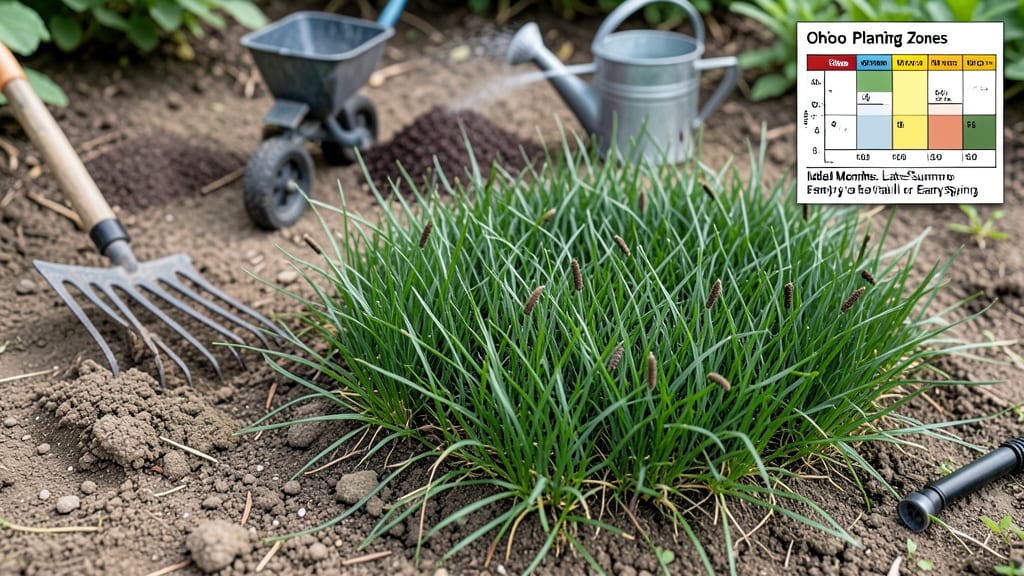
You can plant grass seed in Ohio during early spring March–April or early fall August–September, when soil temps and moisture align perfectly for cool-season grasses like Kentucky Bluegrass and Tall Fescue.
Ohio’s unpredictable weather can turn a perfect lawn into a frustrating guessing game—plant grass seed too early, and frost will kill your progress; too late, and weeds take over. Timing is everything, but mastering Ohio’s cool-season window and soil temperature rules makes success almost guaranteed.
Most gardeners in Zone 6a swear by early fall planting because the soil stays warm enough for germination while cooler air slows weed competition. Spring is a close second, but you’ll need to watch for that last frost date—April 15 is your cutoff in most of the state.
Below, I’ll break down the exact soil temperature thresholds, how to prep your lawn for maximum seed-to-sprout success, and the one watering trick that saves new grass from drying out in Ohio’s dry spells.
Ohio’s best grass seed planting window: month-by-month cool-season guide
Ohio’s cool-season climate creates a unique window for planting grass seed, where timing directly impacts germination success. Unlike warm-season grasses, Kentucky Bluegrass and Tall Fescue thrive when soil temperatures hover between 50°F and 65°F.
This means early fall and late winter/early spring are your best bets—just avoid the heat of summer or late fall’s frost risks. Let’s break down the ideal months for each Ohio region, including how to align with rainfall for maximum results.
Northern Ohio—think Cleveland, Toledo, and Columbus’ northern outskirts—has shorter growing seasons and earlier frosts, so your planting window shifts slightly earlier than southern Ohio. Meanwhile, southern Ohio (Cincinnati, Dayton, and beyond) enjoys warmer soils longer, extending your fall window by 2–3 weeks.
The key is planting 4–6 weeks before the last frost in spring or 6–8 weeks before the first frost in fall to give grass time to establish before winter sets in.
Here’s your month-by-month breakdown, including regional adjustments and rainfall tips to avoid common pitfalls like drought stress or frost damage:
Spring planting in March or April gives grass a 4–6 week head start before summer’s heat. In northern Ohio, aim for late March when soil temps stabilize above 50°F. For southern Ohio, mid-March works due to warmer microclimates.
Pro tip: Use a soil thermometer to confirm temps—below 50°F delays germination by weeks. Pair this with consistent moisture (1 inch per week) to prevent crusting, which blocks seed-to-soil contact.
Fall is Ohio’s golden window for grass seed. Planting in August or early September lets grass establish 4–6 inches of roots before winter. In northern Ohio, early August is ideal—soils stay warm enough for germination but cool enough to avoid stress. Southern Ohio can extend this to mid-August.
The 6–8 week rule before frost ensures roots harden off for winter. Watch for drought stress in late summer; use mulch to retain moisture and water deeply in the early morning to reduce evaporation.
Ohio’s rainfall patterns play a critical role. Spring often brings unpredictable showers, so supplement with drip irrigation if rainfall drops below 1 inch per week. Fall
Soil temperature rules for grass seed germination in Ohio (with exact thresholds)
Ohio’s cool-season grasses like Kentucky Bluegrass and Tall Fescue need precise soil temperatures to germinate—any lower or higher, and your seeds will either rot or struggle to sprout. The ideal soil temperature range for planting is between 50°F and 65°F, with 55°F–60°F being the sweet spot for consistent germination.
In Ohio’s Zone 6a climate, this window typically aligns with early fall (mid-August to early September) and late spring (mid-April to early May). However, soil temps can vary by 5–10°F depending on whether your yard is shaded or exposed to full sun, so always check before planting.
To test your soil temperature, use a soil thermometer (available for under $10) or a DIY method: bury a meat thermometer 1–2 inches deep in the soil for 30 minutes. Early mornings are best—soil temps rise during the day and can mislead you into planting too early.
If your soil temps are below 50°F, wait—seeds may rot or fail to germinate. Conversely, if temps exceed 65°F, germination slows, and seeds can dry out before sprouting. In northern Ohio, this often means delaying spring planting until late April or shifting to fall planting entirely.
To adjust your planting timeline, monitor weekly soil temps and aim to plant when the 5-day forecast shows consistent temps in your ideal range. For example, if your soil is at 48°F but rising 2°F per day, wait 3–4 days before seeding. Patience here saves you from replanting.
Pro tip: Mulch lightly (with straw or peat moss) after planting to help retain soil moisture and stabilize temps. This buffer layer can keep soil 2–5°F cooler on hot days or 3–5°F warmer on chilly mornings, giving your seeds a better chance to thrive.