
Planting
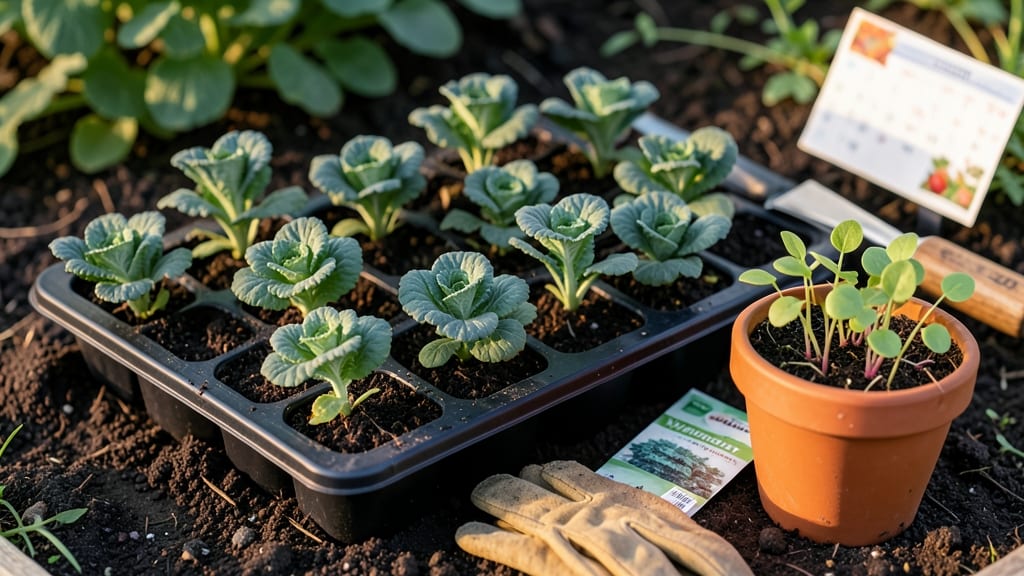
The best time to seed in the fall is your chance to grow a head start on next year’s harvest—just don’t wait too long, or frost will turn your hard work into a sad, icy memory.
Timing matters more than you think. One wrong week can mean the difference between a thriving garden of Fall-Seeded Vegetables (General) 🌱 and a patch of frozen soil.
In USDA Zone 6a, for example, you’ve got a 4-6 week window—mid-August to October—to get seeds in the ground before the first frost hits.
Why bother? Because fall planting means cooler weather, fewer pests, and soil that’s still warm enough for roots to take hold. Plus, many crops—like spinach, carrots, and kale—taste sweeter when grown in the mild temperatures of early spring.
In this guide, I’ll break down the exact deadlines for your zone, how to prep soil for success, and which crops thrive when seeded in the fall—so you can skip the guesswork and start growing with confidence.
Fall seeding deadlines by USDA plant hardiness Zones: when to plant for frost-proof success
Timing your fall seeds correctly ensures your garden thrives through winter and into spring. The key is planting 4-8 weeks before your first frost date, but this varies dramatically by USDA zone.
In Zone 3, where winters are harsh, you’ll need to seed by early August to avoid early snaps. Meanwhile, Zone 10 gardeners can enjoy longer windows, often extending into November. Regional microclimates—like coastal areas or mountain valleys—can shift these deadlines by weeks, so always check local frost data.
Cool-season crops like kale, spinach, and carrots thrive in fall’s mild temperatures and shorter days. These plants often taste sweeter after a light frost, but their seeds need warm soil to germinate.
Aim for soil temps between 45°F and 85°F—if it’s cooler, use a seedling heat mat or wait for a warmer spell. Overwintering crops, such as Brussels sprouts or broccoli, can handle colder soil but need extra protection once frost arrives.
Here’s a quick reference for your zone—plant too early, and pests or heat will stress seedlings; too late, and frost will kill tender sprouts before they emerge. Use this as your guide, then adjust based on your microclimate.
| USDA Zone | Best Planting Window | Key Crops | Soil Temp for Germination | Regional Adjustments |
|---|---|---|---|---|
| Zones 3-4 | Late July to early September | Kale, spinach, peas, radishes | 50°F–70°F | Mountain areas: plant 2 weeks earlier |
| Zones 5-6 | Mid-August to mid-October | Carrots, lettuce, Brussels sprouts | 55°F–80°F | Midwest: watch for early October frosts |
| Zones 7-8 | Late August to November | Cilantro, arugula, turnips | 60°F–85°F | Pacific NW: extend to December with row covers |
| Zones 9-10 | September to January | Green beans, beets, cabbage | 65°F–90°F | Southern California: plant through winter |
In Zones 3-4, where winters are brutal, focus on fast-growing crops like radishes or turnips—they mature in 30-40 days, giving them time to harvest before snow flies. Use black plastic mulch to warm soil and extend the season by 2-3 weeks.
In Zones 5-6, you’ve got more flexibility, but don’t wait past mid-October unless you’re using a cold frame or hoop house to protect seedlings. For Zones 7-8, the Pacific Northwest’s milder winters let you push seeds later, but coastal areas may need windbreaks to prevent salt spray damage.
Southern gardeners in Zones 9-10 can treat fall like a second spring. Plant broad beans or cabbage in September for a winter harvest, then follow up with spinach in November. The key here is consistent moisture—dry spells can stall germination, so use drip irrigation or soaker hoses.
If you’re in a high-desert zone, like parts of Arizona or New Mexico, water deeply at night to reduce evaporation and protect seeds from intense afternoon sun.
Pro tip: Succession plant every 2 weeks in fall to ensure a steady harvest. For example, sow a batch of lettuce in early September, another in late September, and a final one in early October. This way, you’ll always have fresh greens, even if an early frost hits.
Just remember—no matter your zone, avoid planting heat-loving crops like tomatoes or peppers in fall; they’ll bolt or rot in cooler temps.
One common mistake is ignoring soil temperature—seeds won’t germinate if the ground is too cold. Use a soil thermometer to check before planting; if temps are below 50°F, wait or use a seedling heat mat. Another pitfall? Overcrowding seedlings.
Thin them properly to avoid competition, or you’ll end up with stunted, weak plants that won’t survive winter. In Zones 3-6, apply a thick layer of straw mulch (4-6 inches) after seeding to insulate roots and retain moisture.
For gardeners in Zone 10, where frost is rare, focus on overwintering crops like kohlrabi or cabbage. These can handle light frosts and even improve in flavor.
How to calculate your local fall seeding window: frost dates, soil temps, and moon phases
Determining the best time to seed in the fall isn’t just about guessing—it’s a science of frost dates, soil temperatures, and even moon phases. I’ve learned the hard way that planting too early means seedlings get leggy, while planting too late risks frost damage.
The key? A three-step approach: check your local frost chart, test your soil temperature, and align with the lunar calendar for maximum germination success.
Start by finding your USDA Plant Hardiness Zone—this tells you when your first frost typically hits. For example, in Zone 6a, like my garden, the average first frost arrives around October 15.
To give seeds time to germinate and grow, I aim to plant 4-6 weeks before that date. But soil temperature matters just as much as the calendar—seeds need warmth to sprout, even in cooler months.
Here’s how I calculate my exact fall seeding window using these three critical factors:
Use the USDA frost chart for your zone. Plant 4-6 weeks before the first frost date to ensure seedlings mature before cold sets in.
Soil should be at least 40°F (4°C) for most cool-season crops. Use a soil thermometer to confirm—warmer soil speeds up germination.
Plant during the waxing moon for root crops (carrots, beets) and the waning moon for leafy greens (spinach, lettuce) to boost growth.
South-facing beds warm up faster. If your garden is sheltered, you may have 1-2 extra weeks before frost compared to open areas.
For example, in my Zone 6a garden, I seed spinach and kale in early September when soil temps hover around 50°F (10°C) and the moon is waxing. By mid-October, I switch to faster-growing radishes and arugula to harvest before frost.
Pro tip: If your soil is still too warm (above 80°F or 27°C), wait—seeds will rot instead of germinate.
Don’t overlook row covers or cold frames to extend your window. I’ve used them to push my last planting date back by 2-3 weeks in chilly years. And always keep a seedling heat mat handy for late-season starts—it’s a game-changer for slow starters like Brussels sprouts.
Finally, track your results! Jot down what works in your garden—maybe your microclimate lets you plant 2 weeks later than the zone average. Over time, you’ll refine your timing like a pro, ensuring your fall seeds thrive year after year. 🌱