
Plants
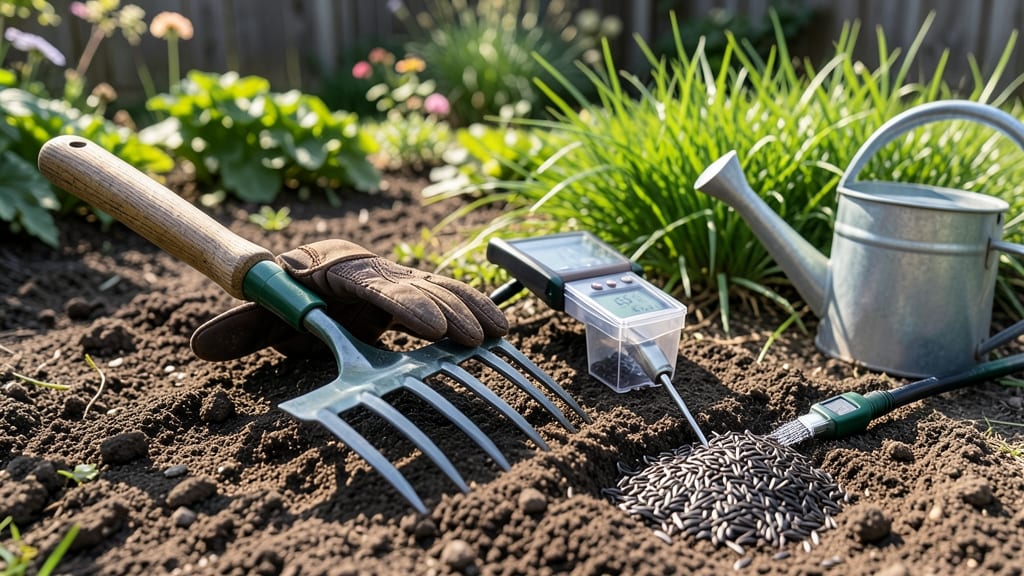
Planting grass seed in St. Louis, MO, works best when the soil temperature sits between 50°F and 60°F—a window that opens in early fall and late spring, just before summer’s scorching heat or winter’s chill.
St. Louis’s humid summers and unpredictable spring rains can turn grass seeding into a guessing game—unless you plant at the perfect time for fast germination, thick growth, and minimal weed competition.
Timing isn’t just about the calendar; it’s about avoiding the heat stress of July or the soggy soil of April showers.
Below, I’ll break down the best months for seeding, how to prep your soil for St. Louis’s clay-heavy ground, and the one mistake that kills more lawns here than anything else.
You’ll walk away with a clear plan to seed your lawn like a pro—no more second-guessing, just lush, weed-resistant grass that thrives in Zone 6a.
Best months to plant grass seed in St. louis MO for optimal growth
St. Louis’s humid summers and unpredictable spring rains create a tricky balance for grass seed germination.
The ideal planting windows are early fall and late spring, when soil temperatures and moisture align perfectly for seed success. Miss these windows, and you risk slow germination, weed competition, or even seed failure due to extreme heat or drought.
Local climate data shows St. Louis averages 85°F in July and 50°F in September, making early fall the sweet spot for grass seed. The USDA Zone 6a climate also means frost dates matter—planting too early or late can leave seeds vulnerable to temperature swings.
Let’s break down the best months, supported by germination rates and regional growing conditions.
Comparison Table: Planting Windows for Grass Seed in St. Louis
Early fall planting in September-October offers the highest germination rates because soil stays warm enough for root development while humidity remains high. The 50-60°F soil temperature is ideal for most grass seed varieties, including tall fescue and Kentucky bluegrass, which thrive in St. Louis’s climate.
Plus, weed competition is minimal since many weeds go dormant as temperatures drop.
Late spring planting in March-April works but requires more attention. Seeds need consistent moisture to outpace weeds, which germinate quickly in St. Louis’s 60-70°F spring soil.
The last frost date (April 15) is your cutoff—plant too early, and frost will kill tender seedlings. Use a lightweight row cover if temperatures dip unexpectedly.
Summer planting is a risky gamble due to St. Louis’s 90°F+ heat and drought conditions. Grass seed struggles to germinate above 70°F, and weeds like crabgrass will overtake your lawn before your grass gets established.
If you must plant in summer, choose shade-tolerant varieties like fine fescue and water twice daily to keep soil moist.
Winter planting is not recommended—frost will kill seeds before they sprout. However, you can overseed in late fall (November) if your lawn has thin spots. Use a winter-hardy variety like ryegrass, which germinates faster in cool soil and provides temporary coverage until spring.
For fastest results, aim for early September planting. This gives seeds 6-8 weeks to establish roots before winter dormancy. Use a soil thermometer to confirm temperatures are in the 50-60°F range—this is your green light for planting.
Pair this with proper soil prep (aeration, compost, and leveling) to maximize success.
Pro tip: Test your soil pH before planting—St. Louis’s clay-heavy soil often tests acidic (6.0-6.5). Aim for a neutral pH (6.5-7.0) by adding lime if needed. This small step can double your germination rate.
Ready to plant? Early fall is your best bet—just don’t wait past October 15, when frost risk increases. With the right timing, your lawn will be thick, green, and weed-free by next spring. 🌱
How to prepare your lawn for grass seed planting in St. louis’s climate
St. Louis’s clay-heavy soil and summer heat demand extra prep work before planting grass seed. If you skip these steps, your seeds will struggle to break through compacted soil or dry out before germination.
The key is creating a loose, moist, and weed-free seedbed that mimics the ideal conditions of early fall or late spring.
Start by testing your soil pH—St. Louis’s clay often tests acidic (6.0-6.5). Aim for a neutral pH (6.5-7.0) by adding pelletized lime 2-3 months before planting.
This gives the soil time to adjust, and you can verify pH again with a home test kit or send a sample to the University of Missouri Extension for professional analysis.
Next, tackle weed suppression before seeds go in. St. Louis’s humid climate fuels aggressive weeds like crabgrass and dandelions. Apply a pre-emergent herbicide (like pendimethalin) 2-4 weeks before planting to block weed seeds.
For organic control, use corn gluten meal as a natural pre-emergent—it’s safe for grass seeds but stops weeds from sprouting.
- 1 Test Soil pH (aim for 6.5-7.0) and amend with lime if needed. Use a soil probe to check compaction.
- 2 Aerate compacted clay with a core aerator (rent or buy). Focus on high-traffic areas where soil is hardest. Do this 2-3 weeks before planting.
- 3 Apply pre-emergent herbicide (or corn gluten meal) to block weeds. Wait 2-4 weeks before seeding to avoid chemical damage.
- 4 Spread compost (2-3 inches) over the lawn and lightly rake to mix into the top 1-2 inches of soil. This improves drainage and adds nutrients.
- 5 Level the soil with a lawn rake, filling low spots with a mix of topsoil and compost. Slope should be no more than 10% to prevent water pooling.
- 6 Water deeply 24 hours before planting to settle the soil. Aim for 1/2 inch of moisture in the top 6 inches—use a rain gauge to measure.
After prepping, seed at the right time. For early fall planting (September-October), wait until soil temperatures drop to 50-60°F. Use a soil thermometer to confirm—this is critical for germination.
Spread seed evenly with a broadcast spreader, then lightly rake to ensure soil-to-seed contact. For clay-heavy soil, mix seeds with a sand or compost to prevent clumping.
Moisture management is your next challenge. St. Louis’s summer heat dries out seeds fast, while spring rains can wash them away. Water lightly but frequently—aim for 1/4 inch per day for the first 2 weeks, keeping the soil consistently moist (not soggy).
Use a sprinkler with fine mist to avoid disturbing seeds. Once seedlings reach 2-3 inches tall, gradually reduce watering to 1/2 inch per week.
Pro tip: Mulch with straw (not wood chips) after seeding to retain moisture and protect seeds from bird damage. Apply a thin layer (1/4 inch) and keep it away from seed rows to prevent mold.
Avoid synthetic mulches—they can suffocate seeds. With these steps, your grass seed will germinate 30-50% faster in St. Louis’s climate. 🌱