
Lawn
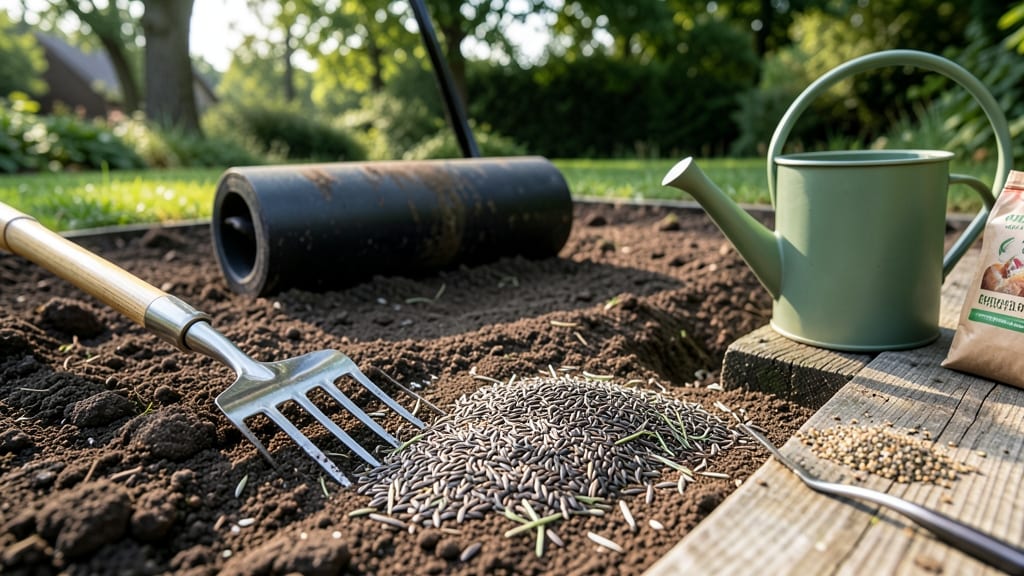
Planting cool-season grass seed in late fall 🌱 is the secret weapon for a thicker, greener lawn next spring—if you nail the timing and prep.
Picture this: you’ve spent an afternoon raking, spreading seed, and watering, only for a hard frost to turn your efforts into a brittle, brown mess. That’s why 4-6 weeks before your first frost is the magic window—cool temps help roots establish without the stress of summer heat or weeds.
But here’s the catch: your zone makes all the difference. In USDA Zone 6a, that means seeding between late September and mid-November, while southern climates can stretch it later. I’ll break down the exact deadlines, soil prep tricks, and how to protect your new grass from winter’s worst.
Skip the guesswork and learn how to turn fall’s cooler weather into your lawn’s strongest foundation—before the snow flies.
Late fall grass seed deadlines by USDA hardiness Zone
Cool-season grasses like Kentucky bluegrass, tall fescue, and perennial ryegrass thrive when seeded in late fall, but your USDA zone dictates the exact window. Plant too early, and weeds steal the show.
Too late, and frost halts germination. I’ll show you the 4-6 week frost rule that works for Zones 3 through 10, plus regional tweaks for Pacific Northwest chill or Deep South mild winters.
Northern zones (3-5) have the tightest deadlines—think early September—while southern zones (8-10) can stretch into mid-December. The key is soil temps between 60°F and 75°F for germination, then letting roots harden before winter.
Below, I’ve mapped out your zone’s last call for seeding, along with frost thresholds and regional notes to avoid frozen disappointment.
For example, if you’re in Zone 6a like me, aim for late September to mid-October. That gives roots 6 weeks to establish before the ground freezes. In Zone 9b, you’ve got until early December—but don’t wait too long, or weeds will outcompete your seed.
Pro tip: Check your local Almanac’s frost dates and subtract 4-6 weeks to lock in your deadline.
Regional quirks matter too. In the Pacific Northwest, cooler maritime air means seeding earlier—sometimes as early as August—while the Deep South can handle November plantings with minimal frost risk.
Even within zones, elevation changes deadlines. A mountainous Zone 7 might need to seed by October 1st, while a coastal Zone 7 could stretch to November 15th.
Don’t overlook soil temperature—it’s the real deadline maker. Use a soil thermometer ($10 at garden centers) to confirm temps are 60°F or above.
If your zone’s average low dips below freezing before you’ve hit that window, switch to a winter ryegrass cover crop to protect bare soil until spring seeding.
One more critical factor: daylength. Cool-season grasses need shorter days to trigger germination. That’s why September-October is ideal—longer daylight in August can delay sprouting. In Zone 5, for instance, seeding in early September gives you the perfect balance of cool temps and shortening days for fast, even germination.
If you’re overseeding an existing lawn, late fall is your best bet—weeds are dormant, and your grass has time to recover before spring. But if you’re starting from scratch, late August is the absolute latest for most zones.
After that, frost becomes a real threat to new seedlings. Always err on the side of earlier planting—you can always mulch to protect young grass if temps dip unexpectedly.
Remember: the 4-6 week frost rule isn’t just about avoiding cold. It’s about giving roots time to penetrate 4-6 inches deep before winter. Shallow roots freeze easier, leading to winterkill and spring browning.
For extra insurance in Zones 3-5, add a straw mulch layer (¼ inch) after seeding to insulate soil and retain moisture.
Now that you’ve got your zone’s deadline locked in, the next step is soil prep. Aerate compacted areas, test your pH (aim for 6.0-7.0), and mix in compost for nutrients. But timing is still everything—don’t prep more than 2 weeks before seeding, or weeds will move in.
We’ll cover that in the next section, plus how to choose the right seed blend for your climate.
How to prepare soil and seed for frost-proof germination
Once you’ve locked in your zone-specific planting window, the real work begins: preparing your soil and seed to survive winter’s first freeze. The difference between a thin, patchy lawn and a dense, frost-resistant carpet often comes down to these two critical steps.
Cool-season grasses need well-aerated, nutrient-rich soil with the right pH, while your seed choice should match your climate’s frost patterns. Let’s break it down into actionable steps to ensure your grass stands up to winter.
Start with a soil test—this isn’t optional. Most garden centers sell $10 test kits that reveal your soil’s pH, organic matter, and nutrient levels. Cool-season grasses prefer a pH of 6.0-7.0. If your soil is too acidic (below 6.0), add pelletized lime 2-3 weeks before seeding.
For alkaline soil (above 7.0), mix in sulfur or peat moss. Pro tip: Test in multiple spots—soil pH can vary 1-2 points across your yard. Adjusting now saves you from nutrient lockout later when roots need to grow fast.
Step-by-Step Guide to Frost-Proof Soil Prep
-
1. Aerate 2 Weeks Before Seeding
Rent a core aerator ($60/day) to pull 3-4 inch soil plugs. This relieves compaction, letting roots penetrate deeper—critical for frost resistance. Focus on high-traffic areas where soil is hardest. For small lawns, a manual aerator ($30) works fine. -
2. Test and Adjust pH
Aim for 6.0-7.0 pH. Use a soil test kit ($10) or send a sample to your local Cooperative Extension ($20). Add lime for acid or sulfur for alkaline soil 2-3 weeks before planting. Overcorrecting can harm seedlings. -
3. Add Organic Matter
Mix in 2-3 inches of compost or well-rotted manure to improve water retention and nutrient availability. For sandy soil, add peat moss; for clay, use coir or leaf mold. Work it into the top 6 inches of soil. -
4. Choose the Right Seed Blend
Cool-season grasses (Kentucky bluegrass, tall fescue, perennial ryegrass) dominate fall planting. For Zones 3-5, pick tall fescue (drought-tolerant) or perennial ryegrass (fast germinator). In Zones 6-10, mix in Kentucky bluegrass for softness. Avoid warm-season grasses like Bermuda—they won’t survive winter. -
5. Spread Seed Evenly
Use a broadcast spreader set to ½ pound per 100 sqft for new lawns or ⅓ pound for overseeding. Walk in two perpendicular directions to avoid clumps. Lightly rake (¼ inch deep) to ensure seed-soil contact. -
6. Apply Mulch for Frost Protection
Cover seed with a ¼ inch layer of straw mulch (not hay—it contains weed seeds). This insulates soil, retains moisture, and protects seedlings from 28°F temps. Avoid thick layers—more than ½ inch can smother sprouts.
Your seed choice is just as critical as soil prep. Cool-season grasses like tall fescue and perennial ryegrass germinate best in 55-65°F soil, while Kentucky bluegrass needs slightly warmer 60-70°F.
If you’re in Zone 4-5, opt for tall fescue blends—they handle colder winters and drought better than other varieties. For Zones 7-10, mix in Kentucky bluegrass for that classic lawn look, but pair it with perennial ryegrass for faster germination.
After spreading seed, water lightly but frequently—aim for ¼ inch daily until germination (usually 7-21 days). Use a sprinkler with fine mist to avoid displacing seed. Once sprouts are 2 inches tall, reduce to ½ inch per week.
Overwatering in fall leads to fungal diseases like snow mold, which thrives in wet, cold conditions. If frost is forecast within 48 hours, add a light straw mulch layer to protect tender seedlings.
One final pro tip: if your area gets heavy snow cover, avoid pre-emergent herbicides in fall—they can linger and harm new seedlings. Instead, use a corn gluten meal pre-emergent (20 lbs per 1,000 sqft) applied 2 weeks before seeding.
It’s organic, breaks down safely, and suppresses weeds without harming grass.
With soil prepped and seed chosen, your grass now has the best chance to establish deep roots before winter. Next, we’ll tackle the most common mistakes that turn fall seeding into a winter disaster—like overwatering, seeding too late, or ignoring soil temperature.
Don’t let these pitfalls ruin your hard work!