
Plants
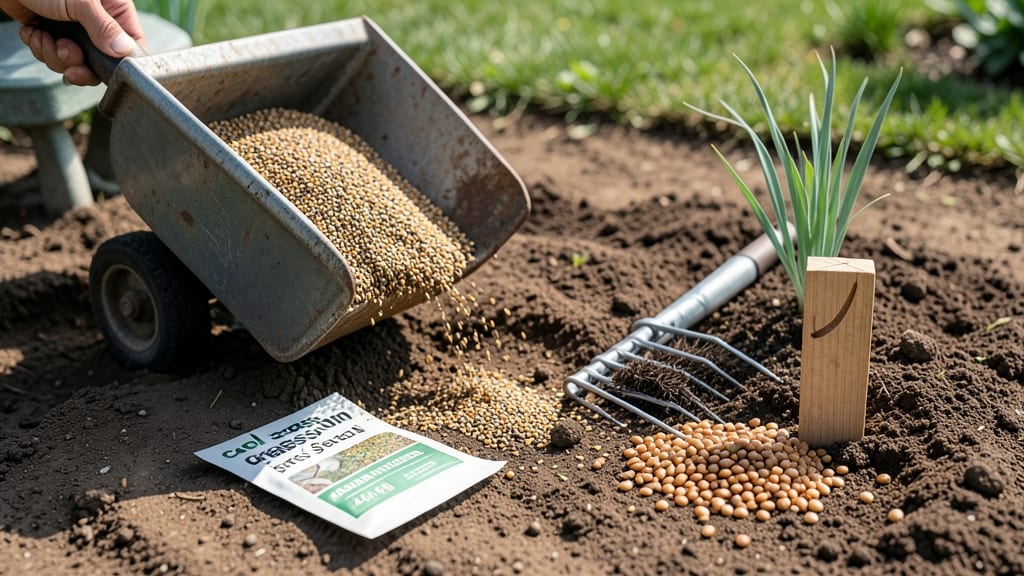
Planting grass seed in the fall sets up your lawn for a lush, thick spring—if you time it right.
Fall is the perfect time to plant grass seed—but timing it wrong can leave your lawn patchy and weak. Miss the window, and frost will kill your new seedlings before they take root. In Zone 6a, that means getting it in the ground by mid-October.
Cooler soil and fewer weeds make fall ideal for grass seed germination. But the key is planting 4-6 weeks before the first frost—soil temps should still be above 50°F for best results. Too early, and summer heat will dry out the seeds; too late, and winter will stunt growth.
Here’s how to pick the exact window for your zone, prep your soil, and avoid the 5 biggest mistakes that ruin a fall planting. Your lawn’s future starts now.
Fall grass seed planting deadlines by US planting zone (with frost protection tips)
Fall planting gives grass seed the perfect head start—cooler temps and fewer weeds mean better germination. But timing is everything. Plant too early, and summer heat will dry out seeds.
Too late, and frost will kill tender sprouts before roots establish. Your USDA zone determines the exact window, with soil temperatures above 50°F being ideal.
The key is planting 4-6 weeks before your first frost date. This gives seeds time to germinate, grow roots, and harden off before winter. In northern zones (3-5), that means starting in early September.
In southern zones (8-10), you can push it closer to November. Each zone has unique risks—like early frosts in Zone 4 or lingering heat in Zone 9.
Here’s your zone-by-zone guide, including frost protection tips to safeguard your investment. Use this table to pinpoint your exact planting window and avoid common pitfalls that lead to patchy lawns.
If you’re in Zone 6a, like many gardeners in the Midwest, aim for mid-September to early October. Check your local last-frost date—planting 4-6 weeks before ensures seeds germinate before winter sets in. For example, if frost hits November 15, seed by October 15 to guarantee roots establish.
Soil temperature matters more than air temperature. Use a soil thermometer to confirm conditions. If temps drop below 50°F, germination slows or stops. In colder zones, extend the window with row covers or a cold frame to shield young sprouts from early frosts.
Pro tip: Cool-season grasses (like Kentucky bluegrass or fescue) thrive in fall, while warm-season grasses (like Bermuda or Zoysia) should wait for spring. Always choose seeds labeled for your zone to avoid disappointment. For example, tall fescue handles cold better than perennial ryegrass.
After planting, monitor weather forecasts. If a hard freeze is predicted, cover seeds with straw or a light tarp until temps rise. Remove covers once sprouts appear to prevent overheating. Consistent moisture is critical—water deeply 2-3 times weekly until roots are 3 inches deep.
Fall-planted grass seed will reward you with a thicker, greener lawn next spring. The cooler weather reduces weed competition, and established roots handle summer heat better. Just follow your zone’s deadline, protect against frost, and keep soil moist. Your lawn’s future starts now!
How to prepare your lawn for fall grass seed planting (step-by-step)
Preparing your lawn for fall grass seed planting is the difference between a thick, lush lawn and a patchy disappointment. The secret lies in soil prep, weed control, and proper seed selection—all before the first frost.
Skipping these steps means seeds struggle to germinate or get outcompeted by weeds. Let’s break it down into actionable tasks to set your lawn up for success.
Start with a soil test to check pH and nutrient levels. Ideal grass seed soil has a pH between 6.0 and 7.0. If your soil is too acidic (below 6.0), add lime 4-6 weeks before planting.
For alkaline soil (above 7.0), work in sulfur or peat moss. Test kits are affordable and available at garden centers—don’t guess, because pH affects nutrient uptake and germination rates.
Next, aerate your lawn to loosen compacted soil and improve seed-to-soil contact. Rent a core aerator or use a manual spike aerator if your lawn is small. Focus on areas with thin grass or bare spots.
Aeration creates small holes where seeds can settle directly into the soil, promoting faster germination. For best results, aerate when the soil is slightly moist but not soggy—early fall mornings are ideal.
-
Step 1: Test Soil pH
Use a test kit to check pH. Aim for 6.0–7.0. Amend with lime (low pH) or sulfur (high pH) 4-6 weeks before planting. -
Step 2: Aerate the Lawn
Rent a core aerator to create holes for seeds. Do this on a mild, dry day when soil is slightly moist. -
Step 3: Control Weeds
Apply a pre-emergent herbicide (like corn gluten meal) or hand-pull weeds before seeding. Avoid post-emergent herbicides near planting areas. -
Step 4: Choose the Right Seed
Pick cool-season grasses (e.g., Kentucky bluegrass, fescue) for fall planting. Avoid warm-season grasses like Bermuda or Zoysia. -
Step 5: Rake and Level
Lightly rake the aerated lawn to smooth the surface. Remove debris and create a fine seedbed for even seed distribution. -
Step 6: Spread Seed Evenly
Use a broadcast spreader for large areas or hand-spread for small patches. Apply seed at the rate listed on the package (typically 4–8 lbs per 1,000 sq ft). -
Step 7: Lightly Cover and Water
Gently rake seeds into soil (¼ inch deep) and water lightly 2–3 times daily to keep soil moist until germination (about 7–21 days).
Weed control is non-negotiable. Apply a pre-emergent herbicide like corn gluten meal 2–4 weeks before seeding to prevent weed seeds from sprouting. For existing weeds, hand-pull them or spot-treat with vinegar (for small patches) before spreading grass seed.
Post-emergent herbicides can harm new grass seedlings, so avoid them entirely during and after planting.
Selecting the right grass seed type is critical. Cool-season grasses (like tall fescue, Kentucky bluegrass, or perennial ryegrass) thrive when planted in fall. Warm-season grasses (like Bermuda or Zoysia) should wait for spring.
Check the seed package for zone compatibility—for example, tall fescue is ideal for Zones 4–8, while fine fescue handles cooler climates better.
After choosing your seed, rake the lawn lightly to create a smooth, level surface. Remove rocks, sticks, and debris to ensure seeds make direct contact with soil. For slopes, consider hydroseeding or using a straw mulch blanket to hold seeds in place.
Once seeds are down, water lightly but frequently—aim for ¼ inch of water daily until germination occurs (usually 7–21 days). Use a gentle misting to avoid displacing seeds.
Your final step is consistent moisture and patience. Keep the soil damp (not soggy) until new grass reaches 2–3 inches tall. Then, gradually reduce watering to encourage deep root growth. By spring, your lawn will be dense, green, and resilient—all thanks to proper fall prep.
The key is starting early, testing your soil, and following these steps precisely. Your future lawn will thank you!