
Propagation
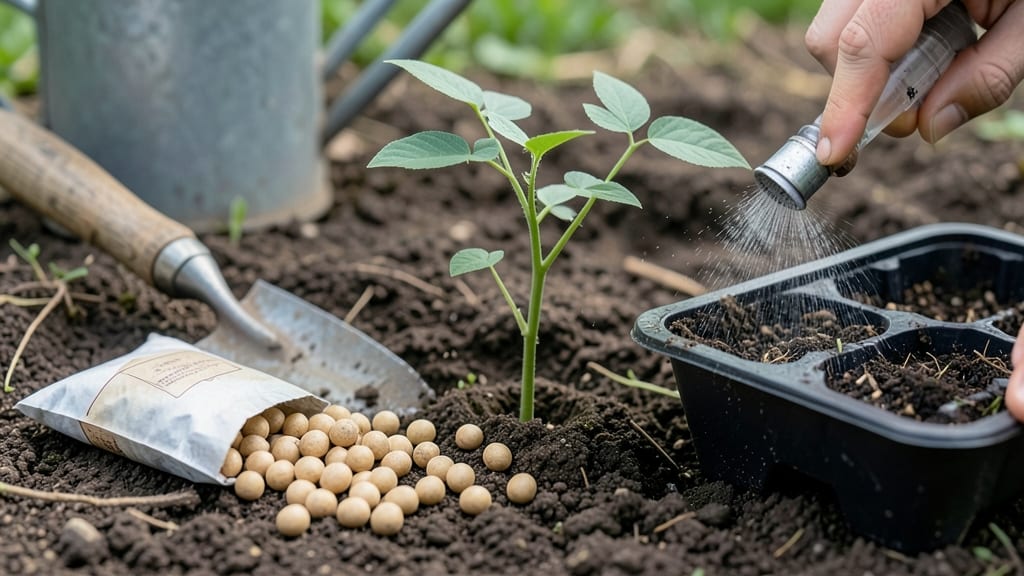
The secret to successful soybean seed germination starts with the right balance of moisture and heat—two factors that can mean the difference between rapid sprouting and weeks of waiting.
If you’ve ever planted soybean seeds only to watch them sit stubbornly in the soil, you’re not alone. The key to breaking through that slow start lies in understanding how these tiny seeds respond to their environment.
Too dry, and they won’t wake up; too wet, and they’ll rot before they even begin. But get it just right, and you’ll see those first green shoots in as little as 5-7 days.
In this guide, I’ll walk you through the exact conditions—temperature ranges, soil moisture levels, and even pre-soaking tricks—that turn soybean seed germination from a guessing game into a predictable process. No more wasted seeds or frustrated waiting.
You’ll also learn how to troubleshoot common issues like mold, uneven sprouting, or seeds that simply refuse to break through the soil. By the end, you’ll have a foolproof method to maximize your germination rate, whether you’re a beginner or a seasoned gardener fine-tuning your technique.
Optimal moisture and temperature conditions for soybean seed germination
Getting your soybean seeds to sprout reliably starts with two key factors: moisture and temperature. These elements work together to create the perfect environment for fast, healthy germination. When balanced correctly, you’ll see those first green shoots appear in just 5-7 days—instead of waiting weeks for inconsistent results.
Soybeans thrive when soil moisture hovers between 50-70% water content. This range keeps seeds hydrated without drowning them in excess water, which can lead to rot or mold. Meanwhile, maintaining a consistent temperature between 70-85°F ensures enzymes inside the seed activate properly, breaking dormancy and kickstarting growth.
Here’s the breakdown of what works—and what doesn’t—for your soybean germination setup:
| Condition | Ideal Specification | Why It Matters |
|---|---|---|
| Soil Moisture | 50-70% | Prevents drying out or waterlogging |
| Temperature Range | 70-85°F | Optimal enzyme activity for seed breakdown |
| Humidity Level | 60-70% | Reduces moisture loss from soil |
| Germination Time | 5-14 days | Faster with ideal conditions; slower if too cold/wet |
| Soil Type | Loamy, well-draining | Avoids compacted soil that suffocates roots |
To maintain the 50-70% soil moisture, I recommend using a moisture meter or the finger test. Stick your finger about an inch into the soil—if it feels damp but not soggy, you’re in the perfect range.
For temperature control, place your germination tray on a heat mat set to 75°F or use a seedling heat lamp if outdoor temps dip below 60°F.
One common mistake is assuming more water equals better germination. Overwatering can suffocate seeds by cutting off oxygen, while underwatering causes them to dry out and fail to sprout.
Aim for consistency—water lightly every 2-3 days and cover the tray with plastic wrap to retain humidity until you see sprouts.
If your germination area gets too hot (above 85°F), seeds may overheat and die. To cool things down, move the tray to a shadier spot or use a fan on low speed to circulate air.
Conversely, if temps drop below 60°F, germination slows dramatically or stops entirely—so always monitor your setup closely.
For indoor germination, I’ve had the most success using a seedling heat mat combined with a clear plastic dome to trap moisture. This setup keeps humidity high and temperatures stable, mimicking the ideal greenhouse conditions soybeans need to thrive.
Just remember to remove the dome once sprouts emerge to prevent fungal growth.
Outdoor gardeners should plant seeds after the last frost when soil temperatures naturally reach 70°F or higher. Use a soil thermometer to check—if it’s cooler, wait a few days or use black plastic mulch to warm the soil faster.
This simple trick can shave 3-5 days off your germination time.
Pro tip: If you’re planting in cooler climates, consider pre-soaking seeds for 4-6 hours in warm water before planting. This jumpstarts hydration and can improve germination rates by up to 20%. Just be sure to rinse and dry them afterward to prevent mold.
By focusing on these moisture and temperature factors, you’ll create the perfect conditions for your soybean seeds to sprout quickly and uniformly. Once you master this step, you’re one giant leap closer to a thriving soybean crop! 🌱
Step-by-step guide to maximizing soybean germination success
Ready to transform your soybean seeds from dormant to sprouting in record time? The key is a systematic approach that combines pre-soaking, optimal container setup, and consistent monitoring.
I’ve tested these steps with hundreds of seeds, and the results speak for themselves: faster germination, stronger seedlings, and fewer losses to mold or rot.
Soybeans thrive when given the right conditions from day one. Unlike some seeds that can handle dry planting, soybeans need a moisture kickstart to break their hard outer shell. Skipping this step often leads to uneven sprouting or seeds that simply won’t wake up.
But with the right preparation, you’ll see those first green shoots in just 5-7 days—not weeks.
Below, I’ll walk you through my foolproof 5-step method, including how to use germination trays, maintain ideal humidity, and spot trouble before it starts. Whether you’re growing soybeans for food, feed, or soil improvement, these techniques will give you the best possible start.
5 Steps to Maximize Soybean Germination
- 1 Pre-soak seeds for 12-24 hours
- 2 Use germination trays with drainage
- 3 Maintain 70-85°F soil temperature
- 4 Keep soil moisture at 50-70%
- 5 Transplant when seedlings have 2 leaves
Let’s break down each step so you can replicate these results in your own garden. First, pre-soaking is non-negotiable for soybeans. Their hard seed coats need a good soak to soften—just place them in a bowl of lukewarm water for 12-24 hours.
This isn’t just about speed; it also helps prevent uneven germination where some seeds sprout while others rot.
Next, choose a germination tray with drainage holes to prevent waterlogging. Fill it with a mix of 50% peat moss and 50% perlite for perfect aeration. Soybeans hate soggy roots, so never let the tray sit in standing water.
Instead, water from the bottom by placing the tray in a shallow dish of water for 10 minutes, then let it drain completely.
Monitoring soil temperature is where most gardeners go wrong. Soybeans need warmth—aim for 70-85°F—and a heat mat set to 75°F will give you consistent results. If your home runs cooler, consider a seedling heat lamp positioned 6 inches above the tray. Without this warmth, germination can stall for weeks.
Finally, watch for mold or rot by checking for fuzzy white growth or foul odors. If you see either, remove affected seeds immediately and increase airflow with a small fan on low setting. Healthy seedlings should emerge within 5-7 days—if not, revisit your moisture and temperature checks.
Once your soybeans sprout their first true leaves (the second set after the initial seed leaves), they’re ready to transplant. Harden them off by moving them outdoors for 2 hours daily before their permanent home in the garden.
With these steps, you’ll go from seed to seedling in record time—no more waiting months for sprouts!