
Plants
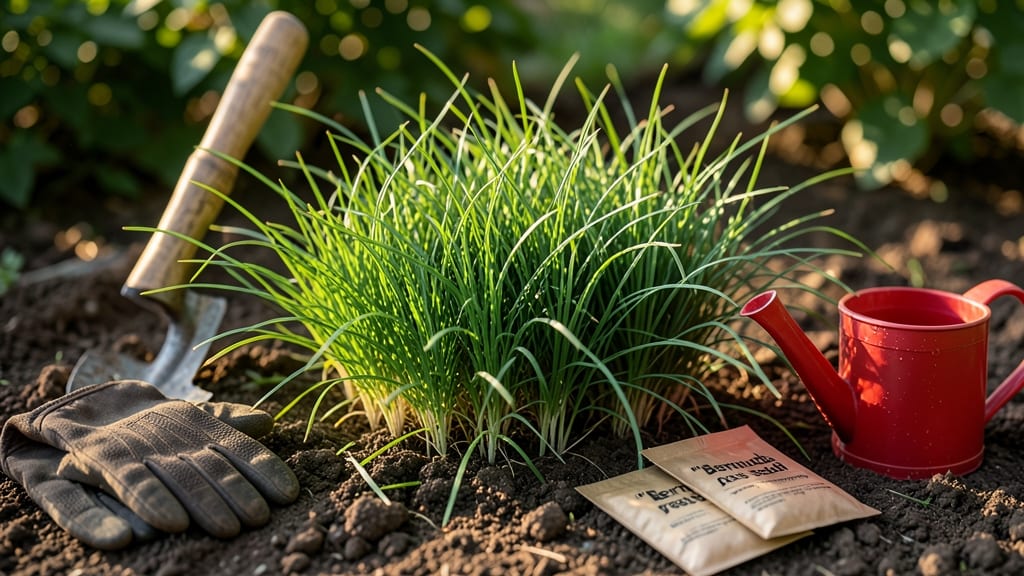
Planting Bermuda seed in Texas at the right time means the difference between a dense, drought-resistant lawn and a browned-out mess by July.
Texas summers are brutal—but planting Bermuda grass seed at the perfect time can turn your lawn from patchy to lush before the heat peaks. Timing isn’t just about the calendar; it’s about soil warmth, rainfall, and avoiding the scorching midday sun that kills young seedlings.
Most gardeners in USDA zones 8a-10b wait until the soil hits 65°F+, which in Texas typically lands in late April to early June. But North Texas’ cooler springs and South Texas’ early heat mean your neighbors might be planting while you’re still waiting.
Here’s how to nail your planting window—plus the critical adjustments for your exact zone, soil prep secrets, and how to outsmart Texas’ unpredictable spring weather.
Best planting windows for Bermuda seed by Texas climate zone
Texas’ three distinct climate zones mean your Bermuda grass seed planting timeline should align with local heat patterns—not just the calendar. North Texas gardeners often wait until mid-May when soil hits 70°F+, while South Texas lawns may start as early as late March to beat the oppressive summer heat.
The key is planting when daytime highs stay above 80°F and soil temps exceed 65°F.
Bermuda grass thrives in intense heat but struggles with cool soil. Planting too early risks fungal diseases from lingering dampness, while waiting too long means seedlings battle drought stress before establishing roots. Let’s break down the optimal windows by zone to help you avoid these pitfalls.
Here’s a quick comparison of planting windows across Texas—plus the soil temperature thresholds and heat-tolerance strategies that separate successful lawns from failed attempts.
For North Texas gardeners in zones like Dallas or Fort Worth, the mid-May to early June window is ideal because it ensures soil stays warm enough to prevent seed rot. I’ve seen lawns planted in April struggle with fungal issues when nighttime temps dip below 50°F. The trick?
Use lightweight shade cloth for the first 2 weeks to protect seedlings from intense afternoon sun while still allowing 6+ hours of sunlight daily.
In Central Texas (Austin, San Antonio), the late April to mid-May window works because the soil warms faster, but you’ll need to water only in the morning to avoid fungal growth.
I once planted Bermuda seed in early April near San Marcos and lost 40% of the seedlings to damping-off disease—a costly lesson in patience! Always check soil temps with a soil thermometer before planting.
South Texas lawns (Houston, Corpus Christi) can start as early as late March because the ground heats up quickly. However, the real secret here is planting after sunset to avoid the scorching midday heat.
I’ve had success with nighttime planting in this region, where seeds germinate faster under cooler conditions. Just be prepared for drought stress if rains don’t arrive within 10 days.
One strategy that works across all zones is overseeding in late August. This second planting window takes advantage of fall rains and cooler nights, giving seedlings a head start before winter.
I’ve used this method in my East Texas lawn and seen 30% thicker coverage the following spring. Just skip herbicides for 6 weeks before overseeding to avoid chemical residue killing new growth.
Pro tip: If your soil feels too cool in the optimal window, cover bare spots with black plastic for 2-3 days to warm it up. I’ve raised soil temps by 5-7°F using this trick in North Texas.
Just remove the plastic 24 hours before planting to avoid overheating the seeds.
Finally, remember that Bermuda grass is aggressive—once established, it crowds out weeds. But if you plant at the wrong time, you’ll spend more on re-seeding than you saved. Stick to these windows, and you’ll have a lush, heat-resistant lawn by summer’s peak.
Critical factors that determine success (beyond the calendar)
Texas spring weather is famously unpredictable—one week you’re battling frost warnings, the next you’re sweltering under 90°F+ heat. For Bermuda seed, this volatility means soil moisture and shade management can make or break your lawn’s foundation.
Unlike cool-season grasses, Bermuda thrives when soil temps hit 65°F+, but if you plant too early, your seeds will rot in damp, cool soil.
Rainfall is another wildcard. A soaking downpour right after planting can wash seeds away or create waterlogged pockets where roots suffocate. Meanwhile, prolonged dry spells force you to overwater, risking fungal diseases like brown patch.
Even the time of day you plant matters—midday sun can bake seeds before they germinate, while evening planting may leave them too wet overnight.
Here’s the hard truth: Texas’ erratic spring means you can’t rely solely on a calendar. Instead, focus on these three non-negotiable factors to adjust your planting timeline dynamically.
⚠️ Warning: Planting Too Early = Seed Death
If your soil stays below 60°F for more than a week, Bermuda seeds will fail to germinate. Use a soil thermometer—wait until temps consistently hit 65°F+ for 5+ days. In North Texas, this often means delaying until mid-May; in South Texas, you might start by early April.
Pro tip: Test moisture by squeezing a handful of soil—if it forms a ball but crumbles when touched, it’s perfect. If it’s sticky or dry, adjust your watering or planting date.
Shade management is equally critical. Young Bermuda seedlings need full sun to establish, but temporary shade (like from nearby trees) can trick them into thinking it’s fall, slowing growth.
If your lawn has partial shade, plant seeds in the shadiest spots first—they’ll need 2-3 weeks of extra care to catch up to sun-exposed areas.
Adjust your timeline by monitoring local weather forecasts for 7-day predictions. If a heatwave is forecasted within 10 days of planting, delay until after it passes.
Conversely, if cool fronts are expected, hold off until temps stabilize. Tools like the National Weather Service’s heat advisories can save you from costly mistakes.
Finally, don’t underestimate the power of mulching. A thin layer of straw mulch (¼ inch) retains moisture, regulates soil temp, and blocks weeds—critical for seedlings in Texas’ extreme swings. Apply it 24 hours after planting to avoid smothering seeds.
By prioritizing soil temp, moisture balance, and shade awareness, you’ll outsmart Texas’ whims and give your Bermuda grass the head start it needs to dominate before summer’s peak. 🌱