
Plants
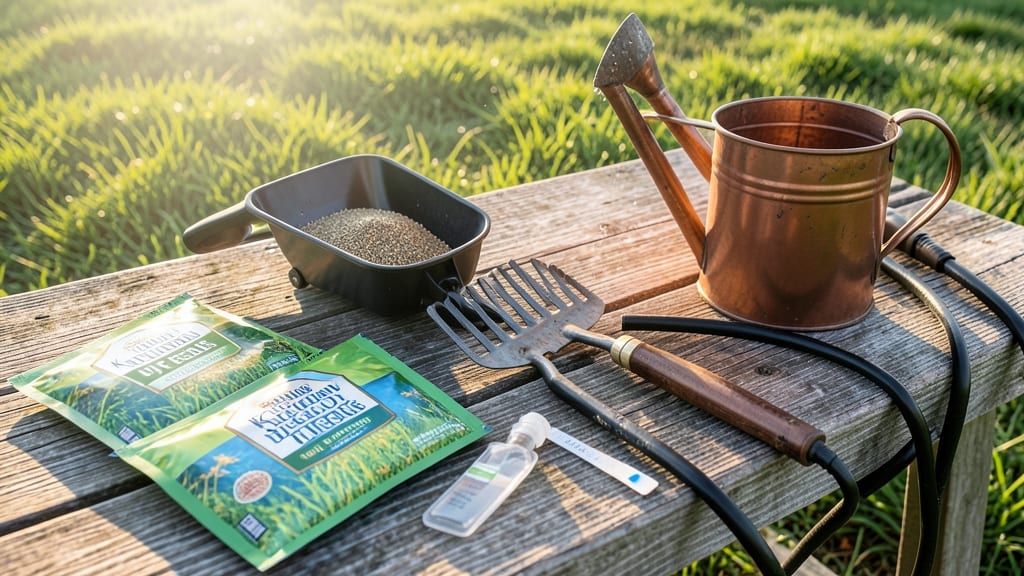
Planting grass seed in South Dakota works best in late August to early September, when soil stays warm enough for roots to take hold before frost arrives.
South Dakota’s unpredictable winters and hot summers demand precise timing when planting grass seed—get it wrong, and your lawn could struggle for years. Plant too early, and summer heat will dry out seedlings; too late, and frost will kill tender roots.
This window balances soil temperature, rainfall patterns, and frost dates to give your 🌱 grass the best chance at deep, resilient roots before winter sets in. Whether you're seeding a new lawn or repairing bare patches, timing is everything.
Below, I’ll break down the science behind the optimal planting window, soil prep tips for South Dakota’s 4a-5b zones, and how to choose the right grass type for your yard’s conditions.
Optimal South Dakota grass seed planting timeline: late August to early September explained
South Dakota’s cool-season grasses thrive when planted in late August to early September because this window balances soil warmth and fall moisture. The 50-60°F soil temperature during these weeks gives seeds time to germinate before winter dormancy.
Eastern SD’s higher humidity and western SD’s cooler nights both favor this timing, but micro-climates like urban heat islands or Black Hills slopes may need slight adjustments.
In eastern South Dakota, where summers are hotter and winters milder, the first frost typically arrives mid-October. Planting by September 10 ensures 4-6 weeks of growth before cold sets in.
Meanwhile, western regions, including the Black Hills, experience earlier frosts—aim for late August planting to maximize the 60-day growing window before first snow.
Urban lawns often face heat island effects, where pavement retains warmth longer. If your yard stays 10°F warmer than rural areas, delay planting until early September to avoid seed dehydration. Conversely, rural areas with cooler micro-climates can plant as early as late August without risking frost damage.
The rainfall pattern in SD also supports this window: September averages 2-3 inches of rain, perfect for seedling establishment. Eastern SD’s higher precipitation reduces irrigation needs, while western areas may require supplemental watering to maintain consistent moisture during germination.
| Region | Best Planting Window | Soil Temp | Key Consideration |
|---|---|---|---|
| Eastern SD | Late Aug - Sep 10 | 55-60°F | Higher humidity, milder winters |
| Western SD | Late Aug (earlier) | 50-55°F | Cooler nights, earlier frost |
| Urban Areas | Early Sep (delayed) | 55-60°F | Heat island effect |
| Black Hills | Late Aug (earliest) | 48-52°F | High elevation, early frost |
For cool-season grasses like Kentucky bluegrass and fine fescue, this window ensures deep root establishment before winter.
These grasses need 4-6 weeks of growth to develop 2-3 inches of roots, which frost-resistant varieties can survive. Tall fescue, a popular drought-tolerant choice, benefits from September planting because its coarser blades require more time to mature.
If you’re planting warm-season grasses like buffalo grass (native to SD), the late August window still works but requires soil temps above 60°F.
These grasses germinate slower in cooler conditions, so lightly mulch seeds with straw to retain warmth. Native mixes often include blue grama, which thrives with minimal irrigation once established.
One critical factor is soil moisture—dry spells in late summer can delay germination. Before planting, test your soil’s moisture retention by digging a 6-inch hole.
If it feels dry at the bottom, water deeply 24 hours before seeding to create an ideal environment. Organic matter like compost improves water retention, especially in sandy soils common in western SD.
Urban gardeners should also account for wind exposure, which can dry out seeds faster.
If your yard is windy, use a straw mulch layer (¼ inch thick) to protect seedlings. Rural areas with less wind can skip mulching but should still monitor soil moisture closely during the first 2 weeks of growth.
After planting, maintain consistent watering—aim for ½ inch of water daily for the first 3 weeks. Reduce to ¼ inch weekly once sprouts appear. Morning watering
How to prepare your South Dakota lawn for fall grass seed planting
Fall is the perfect time to plant grass seed in South Dakota because the soil stays warm enough to encourage root growth while cooler air reduces stress on young seedlings. With the right prep, you’ll give your lawn a head start before winter sets in.
The key is balancing soil preparation, weed control, and selecting the right grass seed varieties for your region.
South Dakota’s 4a-5b climate zones support both cool-season grasses (like Kentucky bluegrass and fine fescue) and warm-season grasses (like buffalo grass). For fall planting, cool-season grasses are ideal—they thrive in the mild temperatures and shorter days of September.
Start by testing your soil’s pH and nutrient levels to ensure your seeds have the best environment to sprout and grow.
Use a soil test kit to check pH (ideal: 6.0-7.0) and nutrient levels. Amend soil with compost or lime if needed.
Pull weeds by hand or use a pre-emergent herbicide 2-3 weeks before planting to prevent competition.
Use a garden rake to break up compacted soil to a depth of 2-3 inches for better seed-to-soil contact.
Soak the soil 24 hours before seeding to ensure moisture for germination and reduce initial watering needs.
Select cool-season blends like tall fescue or Kentucky bluegrass for South Dakota’s climate. Mix seed varieties for better coverage.
Once your soil is prepped, focus on seed selection to match your lawn’s needs. For example, tall fescue is drought-tolerant and great for western South Dakota, while Kentucky bluegrass thrives in the eastern region’s richer soils.
Spread seeds evenly using a broadcast spreader, then lightly rake to ensure good soil contact. Aim for a seed depth of ¼ inch—deeper planting can prevent germination.
After planting, maintain consistent moisture by watering lightly twice daily (morning and evening) for the first 2-3 weeks. This keeps the soil surface moist without disturbing the seeds. Once seedlings reach 2-3 inches tall, reduce watering to deep, infrequent soakings to encourage deep root growth.
Avoid walking on the new lawn until it’s fully established to prevent damage.
Fall planting in South Dakota gives your grass a strong foundation before winter. By following these steps—soil testing, weed control, and proper seed selection—you’ll set your lawn up for lush, healthy growth next spring.
With the right prep, your new grass will outcompete weeds and stand up to South Dakota’s harsh winters. 🌱