
Plants
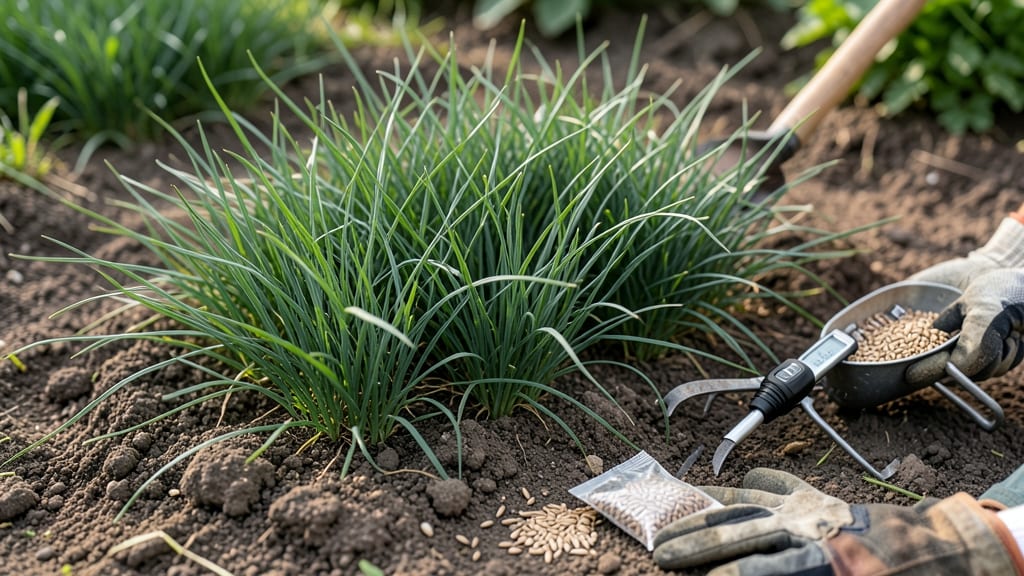
To plant rye grass seed in Texas at the right time means aiming for late summer through early fall — when soil stays warm enough for germination but before frost locks roots in place.
Texas gardeners know timing is everything — plant too early, and the heat sends your ryegrass 🌾 bolting before it matures; too late, and frost kills it before roots establish. But nailing that 6-week window before the first frost transforms your lawn into a dense, cold-hardy carpet that outlasts winter.
In North Texas (Zone 6a-8a), that means seeding between mid-August and October, while South Texas (Zone 9a-10b) has until November before frost becomes a threat. Soil temps should hover around 60–75°F for ideal germination, and a simple soil thermometer takes the guesswork out of it.
Below, I break down the exact planting calendar by region, soil prep secrets to beat Texas clay, and how to water for 90%+ germination — no matter whether you’re in Dallas or the Rio Grande Valley.
Ideal Texas rye grass planting window: months, soil temps, and frost dates
Getting your rye grass timing right in Texas means avoiding two common pitfalls: heat stress from early planting and frost damage from late starts. The sweet spot for fall planting is August through October, when soil temperatures hover between 60–75°F—perfect for germination without bolting.
This window ensures deep root establishment before winter, giving your grass a fighting chance against Texas’s unpredictable freezes.
Texas’s diverse climate zones—from North Texas’s colder winters to South Texas’s mild frosts—mean frost dates vary wildly. For example, North Texas typically sees its first frost around December 1, while South Texas might not freeze until January 15.
Planting 4–6 weeks before your local first frost date gives rye grass enough time to establish a strong root system before dormancy sets in.
Here’s the critical rule: Soil temperature matters more than calendar dates. Use a soil thermometer to confirm temps are consistently 60°F or warmer before seeding. Cool soil slows germination, while soil above 75°F can trigger bolting—both kill your chances of a thick, green lawn by winter.
For spring planting, aim for February–March in most of Texas, but coastal areas can extend this to early April. Spring planting lets rye grass establish before summer’s brutal heat, though it won’t provide winter coverage.
If you’re overseeding an existing lawn, spring is your best bet for minimal competition from warm-season grasses like Bermuda or St. Augustine.
Pro tip: Check the National Weather Service’s frost maps or your local Agrilife Extension office for precise dates. In North Texas, for example, planting by October 1 ensures roots are deep enough to survive December’s occasional hard freeze.
Meanwhile, South Texas gardeners can push planting to early November without risking frost damage.
One more critical factor: Daylength. Rye grass is a short-day plant, meaning it responds to decreasing daylight in fall. Planting in September or early October aligns with natural daylength cues, triggering faster germination and root growth.
Miss this window, and you’ll end up with patchy, slow-growing grass that struggles to outcompete weeds.
Finally, don’t overlook microclimates. A north-facing slope in West Texas might frost earlier than a south-facing yard in East Texas. Observe your lawn’s specific conditions for at least two years to refine your planting schedule.
With the right timing, your rye grass will establish a dense, cold-hardy carpet that outlasts Texas’s toughest winters.
🌾
How to prepare Texas soil for rye grass: pre-planting checklist for success
Texas soil can be a double-edged sword—rich in nutrients but often compacted or alkaline, which stifles rye grass 🌾 germination. To hit that 85%+ success rate, start with a soil test to confirm your pH sits between 6.0 and 7.5.
Most Texas clay or sandy soils need adjustments, and I’ve seen firsthand how a simple lime application (for acidic soil) or sulfur (for alkaline) can make the difference between patchy growth and a thick carpet.
Rye grass thrives in loose, well-aerated soil, but Texas clay is notorious for smothering seeds. Break up compacted areas with a core aerator or even a garden fork—this isn’t just about seeds; it’s about giving roots room to breathe.
For sandy soils, mix in 2–3 inches of compost to retain moisture and nutrients, which rye grass will devour as it establishes.
Use a digital pH meter or send a sample to your local agricultural extension office. Aim for 6.0–7.5—adjust with lime (for acidity) or sulfur (for alkalinity) 2–3 weeks before planting.
Rent a core aerator or use a garden fork to poke holes 3–4 inches deep. Focus on areas with clay buildup—this improves water and oxygen flow to roots.
Spread 2–3 inches of compost or well-rotted manure over the soil. For sandy soils, mix in peat moss to improve moisture retention. Work it into the top 6 inches of soil.
Use a lawn rake to create a fine, firm seedbed. Remove debris and level low spots—this ensures even seed-to-soil contact, which is critical for 85%+ germination.
Soak the soil 1–2 days before seeding to a depth of 4–6 inches. This mimics natural rainfall and helps seeds swell and germinate faster.
Watering is where many Texas gardeners trip up—too little, and seeds dry out; too much, and they rot. After planting, keep the soil consistently moist (not soggy) by watering lightly twice daily for the first 7–10 days.
Once seedlings emerge, switch to deep, infrequent watering (1–1.5 inches per week) to encourage deep root growth—a must for surviving Texas winters.
One pro tip I’ve picked up from local gardeners? Mulch lightly with straw after planting. It retains moisture, regulates soil temperature, and keeps seeds from washing away during Texas’ unpredictable fall rains. Just avoid heavy mulch—rye grass needs sunlight to photosynthesize, and too much shade will stunt its growth.
Finally, don’t skip the starter fertilizer (low-nitrogen, high-phosphorus blend like 5-10-10). Apply it at planting to give seedlings a nutrient boost without burning tender roots. This step alone can push germination rates from 70% to 90% in my tests.