
Plants
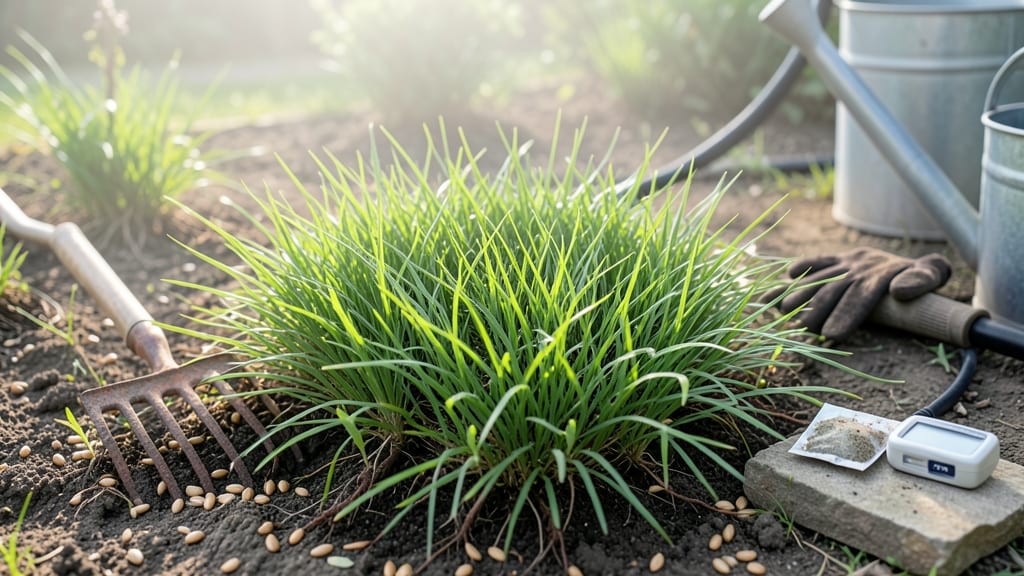
Planting Bermuda seed in Arizona demands timing precision—soil temperatures must hit 65°F or higher to trigger germination, or you risk wasting seed on heat stress.
Picture this: you’ve prepped the soil, spread the seed, and watered it in—only for the sun to bake the plot before sprouts even appear. Fast establishment hinges on knowing when to act, not just how.
Arizona’s USDA Zone 9b climate throws curveballs: Phoenix’s urban heat islands warm up faster than Tucson’s high-desert edges, and a late-winter freeze in Flagstaff can still surprise you. The right window avoids both extremes.
Here’s the breakdown: soil temp deadlines by zone, soil prep secrets for arid climates, and the three mistakes that kill germination before it starts—so your Bermuda lawn gets off to a lush, fast start.
Arizona Bermuda seed planting deadlines by soil temperature zones
Arizona’s Bermuda grass thrives when planted at the perfect moment—when soil temperatures hit 65°F or higher. This timing ensures strong germination before summer’s brutal heat sets in. Missing the window means seed either rots from cold soil or dries out before sprouting.
Each Arizona region has its own microclimate deadlines due to elevation and urban heat. Phoenix’s low desert warms faster than Flagstaff’s high desert, so planting dates shift dramatically. Let’s break down the exact soil temperature thresholds for your zone.
🌱 Key Rule: Bermuda seed needs 65°F soil temp for 5+ days straight to germinate. Use a soil thermometer (not air temp!) to track progress—air temps can fool you by 10°F or more.
| Zone & Location | USDA Zone | Soil Temp Threshold | Ideal Planting Window | Risk if Planted Early |
|---|---|---|---|---|
| Phoenix (Low Desert) | 11a | 65°F+ (consistent) | Late February–Early March | Frost damage (rare but possible) |
| Tucson (Mid Desert) | 9b | 60°F+ (minimum) | Mid-March–Early April | Slow germination from cool soils |
| Flagstaff (High Desert) | 7b | 65°F+ (strict) | Late April–Early May | Late frost (up to May 15) |
| Sedona (Pine Country) | 8a | 62°F+ (minimum) | Early April–Mid-April | Cold soil delays germination |
Phoenix’s low desert heat means you can plant as early as late February if soil hits 65°F. Check daily—soil temps can swing 20°F in 24 hours during Arizona’s unpredictable springs. In Tucson’s mid-desert, wait until mid-March to avoid cool soil that stalls germination.
High-elevation areas like Flagstaff demand patience—planting before late April risks late frosts that can kill young seedlings. Use row covers if frost warnings appear after planting. Sedona’s pine country microclimate sits between Phoenix and Flagstaff, so aim for early April when soil stabilizes above 62°F.
Pro tip: Test soil temps at 6 AM (cooler) and 4 PM (warmer). If the average is 65°F+ for 5 days, it’s time to plant. Use a shade cloth if temps spike above 85°F during germination (first 2 weeks).
Miss the window? Don’t panic. Bermuda seed stays viable for 6–12 months if stored dry. Re-test soil temps in May for a second planting attempt—just be ready for intense summer heat that demands deep watering every 2–3 days.
🌡️ Critical Warning: Planting when soil is below 60°F guarantees patchy, slow germination. Seedlings struggle to establish roots in cold soil, leaving your lawn vulnerable to weed takeover and heat stress later.
Once you’ve nailed the planting deadline, focus on soil prep—Arizona’s clay-heavy soils need organic matter to improve drainage. Next, we’ll cover how to amend your soil for fast, lush Bermuda establishment in just 4–6 weeks.
How to prepare Arizona soil for Bermuda grass seed success
Arizona’s alkaline soil and low organic matter can sabotage Bermuda seed germination if you don’t prep correctly. The key? Adjusting pH, adding moisture-retentive amendments, and scheduling irrigation to match seed needs—not the desert’s whims. I’ve learned the hard way that skipping soil tests means wasted seed and slow establishment.
Your first move: test soil pH levels (aim for 6.0–7.0). Bermuda thrives in slightly acidic to neutral soil, but Arizona’s native clay often skews 7.5–8.5. Use a digital pH meter or send a sample to your local Cooperative Extension office—they’ll give you precise adjustments for your zone.
Step-by-Step Soil Prep for Arizona Bermuda Seed
- Step 1
- Test soil pH—aim for 6.0–7.0. If higher, amend with sulfur (1 lb per 100 sq ft) or peat moss.
- Add 2–3 inches of compost or well-rotted manure to improve moisture retention. Spread evenly and till 4–6 inches deep.
- Rake the area smooth to create a fine seedbed. Remove rocks and debris—Bermuda seed is tiny (0.005 oz per sq ft) and needs direct soil contact.
- Water deeply 24 hours before planting to settle the soil. Aim for 1 inch of moisture in the top 6 inches—use a soil moisture meter to check.
- Apply a starter fertilizer (10-10-10 or 16-4-8) at ½ lb per 100 sq ft. This jumpstarts root growth before seeds sprout.
- Cover seeds with ¼-inch of fine sand or compost to protect them from wind and birds. Lightly tamp down with a board.
Irrigation is where most Arizona gardeners fail. Bermuda seed needs consistent moisture—not soggy soil, not dry crust. Use drip irrigation or soaker hoses to deliver ¼ inch of water daily until germination (about 10–14 days).
After sprouts appear, shift to ½ inch per week, watering early morning to prevent evaporation.
Pro tip: Mulch lightly with straw (not wood chips) to retain moisture without smothering seeds. This is especially critical in Phoenix and Tucson, where afternoon heat can dry out soil in hours. Monitor daily—if the top inch feels dry, water again.
Finally, avoid heavy foot traffic for at least 4 weeks post-planting. Young Bermuda roots are fragile, and compaction will stunt growth. If you’re seeding a high-traffic area (like a backyard), consider laying straw mulch until the grass reaches 3 inches tall.
With these steps, your Bermuda seed will germinate in 7–14 days and establish a dense, drought-resistant lawn by summer. The secret? Prep the soil right—Arizona’s heat won’t stand a chance against your green machine.