
Plants
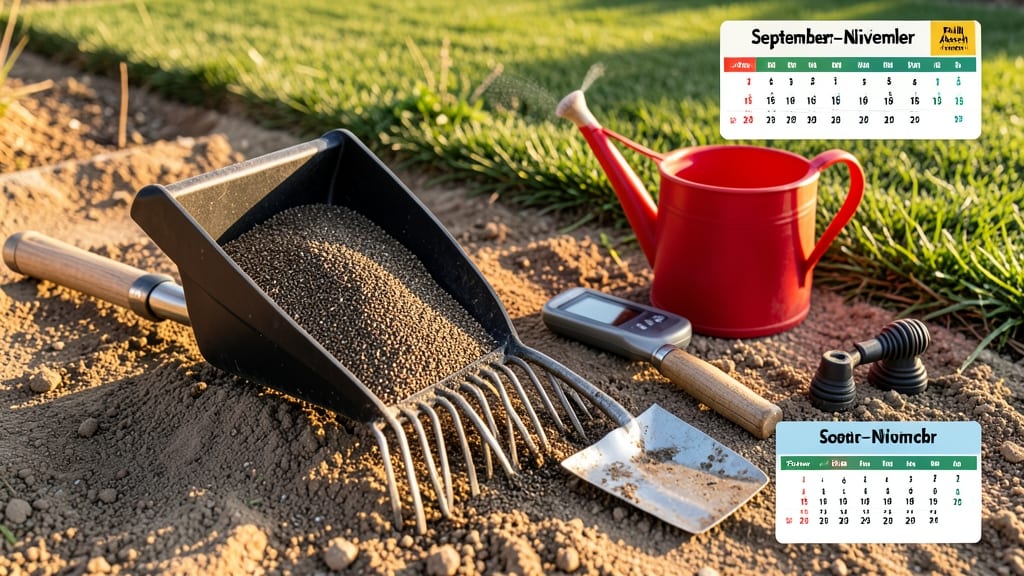
To plant grass seed in Arizona, aim for late August through early October or February to early March when temperatures are cooler and rainfall is more reliable.
Picture this: you’ve spent hours spreading seed, only to watch it bake under 110°F sun before it even germinates. That’s why timing is everything in Arizona’s brutal climate—plant too early, and the heat zaps moisture; too late, and winter’s chill slows growth.
Most Arizona lawns thrive with heat-tolerant grasses like Bermuda or Buffalo grass, but even they need the right conditions. The key? Soil prep and consistent watering during those critical first 3-4 weeks of germination.
In this guide, I’ll break down the exact months to plant by region, how to prep your soil, and the fastest ways to get your lawn established before summer’s worst heat hits.
Best months to plant grass seed in Arizona’s climate Zones
Arizona’s diverse climate zones create two distinct planting seasons for grass seed. The lower desert (Zones 9-10), like Phoenix, has extreme summer heat, while the high desert (Zones 6-7), like Flagstaff, faces cooler temperatures but still requires careful timing.
Choosing the wrong window can lead to poor germination or even seed death from heat stress.
For heat-tolerant grasses like Bermuda, Zoysia, and Buffalo grass, timing is everything. These varieties thrive in Arizona’s climate but need cooler soil temperatures (below 85°F) to germinate successfully. Planting in the wrong season forces seeds to struggle against scorching sun and dry winds, wasting your time and money.
Here’s how to match your USDA Zone with the perfect planting window:
| Climate Zone | Best Planting Window | Ideal Grass Types | Key Conditions |
|---|---|---|---|
| Lower Desert (Zones 9-10) | Late August – Early October (Fall) | Bermuda, Zoysia, Buffalo Grass | Soil temp < 85°F, monsoon moisture |
| Lower Desert (Zones 9-10) | February – Early March (Winter) | Cool-season grasses (if used) | Daytime temps 60-75°F, minimal rain |
| High Desert (Zones 6-7) | September – Mid-October (Fall) | Tall Fescue, Ryegrass, Blue Grama | Soil temp 60-75°F, consistent moisture |
| High Desert (Zones 6-7) | March – Early April (Spring) | Bermuda (warm-season), Fescue mixes | Daytime temps 50-70°F, no frost risk |
In the lower desert, the monsoon season (July-August) brings temporary relief from heat, but it’s too late for new grass seed. Instead, focus on late summer when daytime temps drop to 90-95°F and nights cool to 70-75°F.
This creates the ideal germination window for Bermuda grass, which is Arizona’s most popular choice.
Zoysia grass is another top pick for the lower desert, thriving in full sun and drought conditions once established. Plant it in September to take advantage of cooler nights and consistent monsoon showers. Avoid planting in October—temperatures drop too quickly, slowing growth and increasing frost risk in some areas.
For the high desert, September-October is prime time. Cooler temps and higher humidity create perfect conditions for Tall Fescue and Blue Grama to germinate. These grasses handle the cooler nights of the high desert better than warm-season varieties, making them ideal for Flagstaff and Prescott gardeners.
If you’re in the high desert and want to plant Bermuda grass, aim for early spring (March-April). By this time, soil temperatures have warmed enough to support warm-season grasses, but daytime highs remain below 80°F, reducing heat stress.
This window also aligns with spring rains, which help maintain soil moisture.
One common mistake is planting too early in the lower desert. While March might seem ideal, soil temperatures can still spike above 85°F by midday, causing seeds to dry out.
Always check soil temperature with a thermometer—keep it below 85°F for best results. For the high desert, planting in late April risks late frosts, which can damage young seedlings.
Pro tip: Use shade cloth or lightweight mulch to protect newly planted seeds from intense afternoon sun during the first 2-3 weeks. This simple step can double your germination success rate in Arizona’s harsh climate.
Pair it with daily watering (early morning) to keep soil consistently moist but not soggy.
How to prepare soil and conditions for Arizona grass seed success
Arizona’s extreme heat and low humidity make soil prep the difference between a lush lawn and wasted seed. Before planting, focus on moisture retention and shade protection—two critical factors during the 30-90 day germination window when seedlings are most vulnerable.
Even heat-tolerant grasses like Bermuda or Buffalo grass need ideal conditions to establish roots before summer’s return.
Start by testing your soil pH (aim for 6.0-7.5) and organic matter content. Arizona soils often lack nutrients, so amend with compost or peat moss to improve water retention.
If your soil is sandy (common in the Sonoran Desert), mix in coco coir to hold moisture longer. Remember: dry soil = failed germination.
Step-by-Step Soil Prep for Arizona Grass Seed
- 1 Test soil pH using a kit (target 6.0-7.5). Adjust with lime (if too acidic) or sulfur (if too alkaline).
- 2 Remove debris and till the top 4-6 inches of soil to loosen compaction. Add 1-2 inches of compost or aged manure for nutrients.
- 3 Level the ground with a rake to create a smooth seedbed. Fill low spots with sand or topsoil to prevent water pooling.
- 4 Water deeply 1-2 days before planting to settle the soil. Aim for 1-1.5 inches of moisture in the top 6 inches.
- 5 Install shade cloth (30-50% coverage) over the area if planting in late summer. Remove after 30 days to harden off seedlings.
- 6 Spread mulch (straw or peat moss) after planting to retain moisture and block UV rays. Keep mulch ¼-inch thick to avoid smothering seeds.
After planting, consistent watering is non-negotiable. Seedlings need daily light watering (early morning) for the first 2-3 weeks to keep soil evenly moist. Use a sprinkler with fine mist to avoid displacing seeds.
In Phoenix or Tucson, where temps can exceed 105°F, consider a drip irrigation system to deliver water directly to roots.
Pro tip: Monitor soil moisture with your finger—if the top ½ inch feels dry, it’s time to water. Overwatering is just as bad as underwatering; it leads to fungal diseases like dollar spot, which thrives in Arizona’s humid monsoon season.
Aim for 1-1.5 inches of water per week once established, but reduce to ½ inch weekly in winter.
Finally, protect new seedlings from wind and intense sun during the day. If planting in September, the monsoon rains can help, but follow up with shade cloth if clouds disappear.
By day 60, your grass should be 2-3 inches tall and ready to handle Arizona’s heat—if you’ve nailed the prep work.