
Propagation
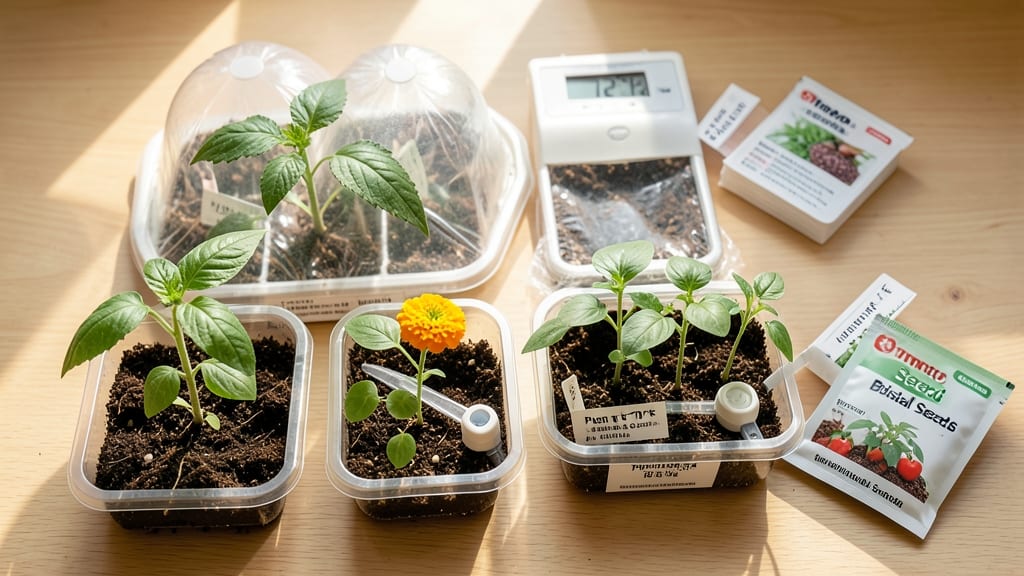
Getting the right seed germination temps is the fastest way to turn weeks of waiting into days of sprouts—and skipping this step is how you end up with a tray of dirt and disappointment.
Picture this: you’ve carefully planted your 🌱 seeds, watered them just right, and now you’re staring at a seedling-free tray, wondering what went wrong. More often than not, the culprit isn’t your soil or seeds—it’s the temperature.
Too cold, and growth stalls. Too hot, and seeds rot before they even wake up.
Every plant has its own sweet spot, from cool-loving lettuce to heat-crazy peppers. Some need a gentle nudge with a heat mat, while others thrive in your kitchen’s warm corner.
Below, I’ll break down the exact ranges for fast, reliable germination, plus how to tweak conditions when your climate plays tricks.
You’ll leave here knowing not just what temperature to aim for, but how to monitor it, fix mistakes, and troubleshoot when things go sideways—so your next batch of seeds doesn’t become a science experiment.
Optimal seed germination temperature ranges by plant category
Getting seeds to sprout can feel like waiting for a miracle—until you understand the perfect germination temperatures for each plant type. Some seeds thrive in cool, damp soil, while others demand warmth to break dormancy.
Knowing these ideal temperature ranges saves time, money, and frustration. Whether you're growing cool-season crops like lettuce or heat-loving tomatoes, temperature is the silent hero of seed starting.
Most seeds germinate best within a 5-10°F range, but tropical varieties like avocados need near-80°F soil temps to even consider sprouting. Without the right conditions, seeds may rot, mold, or simply refuse to wake up.
The good news? With a few simple adjustments—like using a heat mat or chilling seeds—you can trick even the pickiest seeds into germinating on schedule.
Below, I’ve broken down the optimal germination temps by plant category, including special cases like stratification (a cold treatment for hard seeds) and tropical varieties that mimic their native climates. Use this as your cheat sheet before your next seed-starting session.
Cool-season crops like lettuce and spinach love the chill, germinating best between 50–65°F. Plant these outdoors in early spring or fall when soil temps are naturally cooler.
If you start them indoors, avoid overheating—70°F+ can stall germination or cause leggy seedlings. A simple trick? Place trays on a cool windowsill away from radiators.
Warm-season plants, including tomatoes and peppers, refuse to cooperate below 70°F. These seeds need warmth to activate enzymes that break down seed coats. If your home runs cool, a seedling heat mat (set to 75–80°F) can cut germination time in half.
Pro tip: Group trays together to create a micro-climate of warmth.
Tropical varieties like avocados and orchids demand near-80°F soil temps, mimicking their native rainforest environments. Without this heat, seeds may rot or simply never sprout.
For these picky plants, I recommend a DIY germination chamber—just place seeds in a sealed plastic bag with a damp paper towel and tuck it near a sunny window or under a grow light.
Some seeds, like echinacea or delphiniums, need a cold treatment called stratification to break dormancy. This mimics winter conditions and tricks seeds into thinking spring has arrived.
To stratify, mix seeds with damp peat moss or a paper towel, seal in a plastic bag, and refrigerate for 4–8 weeks before planting.
Monitoring soil temperature is easier than you think. Use a soil thermometer (inserted 1 inch deep) to check temps before planting. Most garden centers sell them for under $10. For indoor starts, place the thermometer in the seedling tray alongside your seeds.
If temps dip below the ideal range, move trays to a warmer spot or add a heat mat.
Even with perfect temps, germination can still fail due to moisture issues or old seeds. Always use fresh seeds (within 1–2 years) and keep growing medium consistently moist (not soggy). If seeds aren’t sprouting after 2–3 weeks, they may need a temperature adjustment or a second try.
Remember, consistency is key. Fluctuating temps can confuse seeds, leading to uneven sprouting or weak seedlings. Once you master these ranges, you’ll unlock faster, healthier starts—and a garden bursting with life from day one. Happy planting! 🌱
How to adjust germination temperatures for faster sprouts
If your 🌱 seeds are taking forever—or worse, rotting—before they sprout, your germination temperatures might be the problem. Most gardeners assume their home is "warm enough," but without precise control, you’re gambling with your seedlings.
The good news? Adjusting temperatures is easier than you think, whether you’re using store-bought tools or DIY hacks.
First, let’s tackle the three key tools that give you control: heat mats, seedling trays, and DIY germination chambers. Each serves a purpose, from maintaining steady warmth to creating microclimates for picky seeds.
Below, I’ll walk you through how to use them—and how to troubleshoot when things go wrong.
Start with a heat mat, the MVP of seed starting. These thin, electric pads sit under your trays and maintain steady warmth without overheating. Plug one in 24 hours before planting to warm your soil mix.
For tropical seeds (like basil or orchids), pair it with a clear plastic dome to trap heat—just remove it once sprouts appear to prevent mold.
If you’re germinating in seedling trays, place them on top of the heat mat (never directly on it).
For DIY solutions, try a seedling heat mat hack: Place your tray on a sunny windowsill during the day and move it to a warm spot near your fridge (not inside!) at night. The fridge’s back coil radiates gentle heat—perfect for cool-season crops.
Watch for red flags like mold (fuzzy white growth) or damping-off (seeds rotting at soil level). If you see these, immediately improve airflow by lifting the plastic dome or moving trays to a cooler, brighter spot.
For stubborn cases, sprinkle cinnamon powder on the soil—it’s a natural antifungal that buys you time while you adjust temps.
Finally, seasonal timing matters. In spring, start seeds 6–8 weeks before your last frost when indoor temps are stable. In fall, use a grow light to supplement weak winter sunlight and keep soil warm with a heat mat.
With these tweaks, you’ll go from frustrated gardener to seed-starting pro in no time.