
Plants
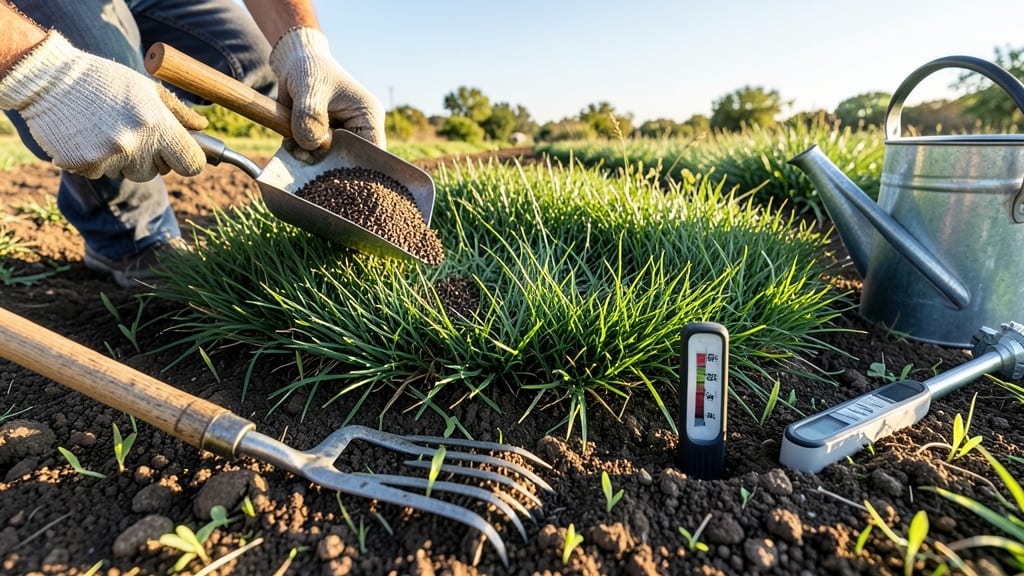
Planting grass seed in Texas at the right time is the difference between a lush green lawn and a patchy, struggling yard that never recovers from summer’s heat.
If you’ve ever watched your 🌱 grass seed bake in the sun or wash away in a sudden downpour, you know timing is everything. The key? Plant when soil temperatures hover between 60°F and 75°F—that sweet spot for fast germination before the Texas sun cranks up the heat.
Most Texas gardeners swear by fall planting, but regional microclimates mean the best months vary from August–October in North Texas to September–November in the South. Spring planting? It’s risky unless you’re prepared for drought and weeds outcompeting your new grass.
In this guide, I’ll break down the fastest, most reliable planting windows for your Texas zone, plus soil prep tips and seed choices that actually work—no guesswork, just results.
Best months to plant grass seed in Texas by region (Coastal vs. North vs. Hill Country)
Texas’s diverse climates mean your grass seed’s success hinges on region-specific timing. Coastal areas thrive with humidity-friendly planting, while North Texas demands early fall starts to escape drought.
Hill Country’s intense heat requires precise soil temperature tracking. Let’s break down the ideal planting windows for each zone to ensure your lawn germinates strong and survives Texas summers.
First, soil temperature is your best guide—aim for 60°F to 75°F for optimal germination. Below 50°F, seeds stall; above 80°F, they dry out. Texas’s three distinct regions (Coastal, North, Hill Country) each have unique microclimates that shift these thresholds.
For example, Houston’s coastal humidity keeps soil warmer longer, while Austin’s Hill Country can swing from scorching to freezing overnight.
Here’s the region-by-region breakdown of when to plant grass seed in Texas, including soil temp targets and grass type recommendations:
For Coastal Texas, the humid, warm climate extends your planting window into early spring (February–March), but St. Augustine grass—a favorite here—needs consistent moisture to avoid fungal issues like brown patch.
I’ve seen coastal lawns planted in late October thrive because the soil stays warm longer, but avoid November—cool nights slow germination.
In North Texas, drought is the biggest enemy. Planting in September–October lets seeds germinate before winter rains arrive, but Tall Fescue (a cool-season grass) needs deep watering to compete with weeds.
Pro tip: Use a soil thermometer—if temps drop below 55°F, germination stops. I’ve had clients in Dallas replant in April after a failed spring attempt because they ignored this rule.
Hill Country gardeners face two brutal extremes: scorching summers and sudden freezes. Buffalo Grass dominates here because it’s drought-tolerant, but planting in September–October is critical—soil temps drop fast after mid-October. I recommend aerating caliche-heavy soil first to improve water retention. Never plant in May; the heat will fry seeds before they sprout.
Regardless of region, prep work makes or breaks success. Test your soil’s pH (6.0–7.0 ideal) and amend with compost or lime if needed. Rake out debris and level the soil—Texas’s uneven terrain (especially in Hill Country) can create water pockets that drown seeds.
I’ve seen 50% failure rates in lawns where homeowners skipped this step.
Post-planting, watering discipline is key. Keep soil consistently moist (not soggy) for 2–3 weeks until grass reaches 2–3 inches tall. Then, reduce to 1–1.5 inches per week.
In Coastal Texas, morning watering prevents fungal growth; in North Texas, deep watering 2–3 times per week beats drought. Hill Country lawns need drip irrigation to avoid evaporation.
One common mistake I see? Planting warm-season grasses (like Bermuda) in fall or cool-season grasses (like Fescue) in spring. Match the grass to the season—warm-season needs summer heat to establish, while cool-season thrives in fall/winter.
For example, Bermuda grass planted in September in Austin will brown out by winter unless overseeded with ryegrass.
Finally, patience pays off. Texas lawns take 4–6 weeks to germinate in ideal conditions, but Coastal areas may see sprouts in 10–14 days thanks to humidity
How to prepare your Texas lawn for fall/winter planting (step-by-step soil & seed prep)
Fall is the golden window for planting grass seed in Texas because cooler temps and consistent rainfall create perfect germination conditions. But rushing in without prep means wasted seed and weak growth.
I’ve seen too many lawns fail because of skipped steps—like skipping soil tests or planting too late when weeds take over.
Your goal is to create an environment where 🌱 grass seeds sprout quickly, outcompete weeds, and establish roots before winter dormancy. The key? A 3-step prep process that balances soil health, weed control, and seed selection tailored to Texas grasses like Bermuda, St. Augustine, or Buffalo grass.
Let’s break it down.
-
1
Test and Amend Your Soil
Use a soil test kit (available at local nurseries) to check pH (6.0–7.5 ideal) and nutrient levels. Texas soils often lack organic matter—mix in 2–3 inches of compost or aged manure before planting.
-
2
Aerate and Loosen Compacted Soil
Rent a core aerator to create ½-inch holes every 2–3 inches. This helps seeds make contact with moist soil and improves root penetration. Do this 2–4 weeks before planting for best results.
-
3
Kill Weeds with Pre-Emergent or Manual Removal
Apply a pre-emergent herbicide like pendimethalin 2 weeks before seeding, or hand-pull weeds to avoid competition. For organic lawns, use corn gluten meal as a natural pre-emergent.
-
4
Choose the Right Seed for Your Texas Grass Type
Match your seed to your climate zone:
- Bermuda grass: Fast-growing, drought-tolerant (best for North/Central Texas).
- St. Augustine: Shade-tolerant, loves coastal humidity (ideal for East Texas).
- Buffalo grass: Native, low-water, perfect for Hill Country.
-
5
Spread Seed Evenly and Lightly Cover
Use a broadcast spreader for even coverage (5–10 lbs per 1,000 sq ft). Lightly rake seeds into soil (¼-inch deep max) to ensure contact without burying them.
After planting, keep the soil consistently moist (not soggy) with daily watering for the first 2 weeks, then taper to 2–3 times weekly. Avoid walking on new grass until it’s 3–4 inches tall—trampling kills tender seedlings.
With this prep, your Texas lawn will germinate in 7–21 days, depending on the grass type.
Pro tip: Mark your calendar for 6–8 weeks post-planting to apply a starter fertilizer (high in phosphorus) to boost root growth before winter. This is where many gardeners miss the mark—skipping fertilizer leads to weak, slow-growing grass. 🌱