
Plants
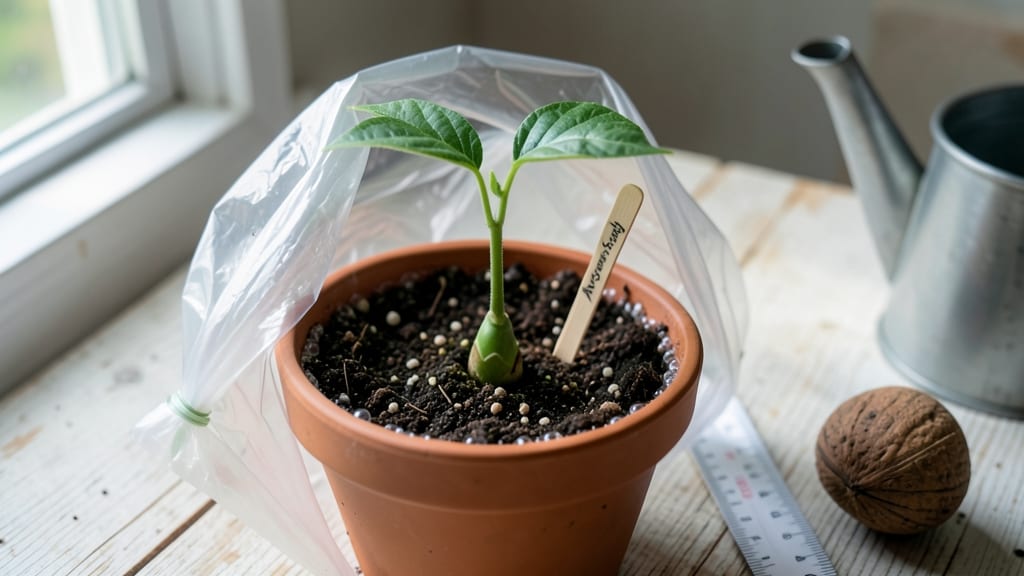
Planting an avocado seed in soil at the right time means the difference between a thriving 🥑 sapling and a sad, rotting pit.
Too early, and your seed will sit in cold, damp soil waiting for warmth that never comes. Too late, and germination slows to a crawl—if it happens at all.
The key is waiting for that sweet spot when soil temperatures hit 65–85°F, which in most temperate zones means spring (March–April after the last frost).
But here’s the catch: if you’re in a warmer climate like Zone 10 or 11, you can plant year-round. Meanwhile, gardeners in cooler areas (like Zone 6a) need to time it just right—indoors under grow lights or in a sunny window until outdoor soil warms up.
Below, I’ll break down the exact conditions your seed needs to sprout fast, whether you’re planting indoors or out, and how to tell when the soil is finally ready.
Best time to plant avocado seeds in soil for fast germination
Avocado seeds thrive when planted during the warmest months of the year, when soil temperatures consistently stay between 65–85°F. This ideal range mimics their native tropical climates and triggers faster germination.
In most regions, late spring to early summer (May–June) is the sweet spot, but timing varies based on your local climate.
If you live in USDA Zones 10–11, you can plant year-round since frost isn’t a concern. However, even in these zones, spring planting (March–April) gives seedlings a head start before summer heat stress.
For cooler climates (Zones 6–9), wait until after the last frost date—typically mid-April to early May—to avoid seed rot.
Soil warmth is the secret weapon for speedy germination. A heat mat or greenhouse setup can help if your spring soil is still chilly. I’ve seen avocado seeds sprout in as little as 2–4 weeks when soil stays above 70°F, compared to 6–8 weeks in cooler conditions.
Fall planting is possible in mild-winter zones (like Southern California or Florida), but germination slows dramatically below 60°F. If you must plant in fall, use a heated propagator or indoor setup to maintain warmth. Just remember: slow germination = slower growth later on.
Here’s a quick reference for your region’s best planting window:
For gardeners in Zone 5 or colder, start seeds indoors under grow lights in early spring (February–March). Transplant outdoors only after soil warms to 65°F and nighttime temps stay above 50°F.
I’ve had success hardening off seedlings in a cold frame for a week before moving them to the garden.
One common mistake is rushing to plant in early spring when soil is still cold. Cold soil slows germination and increases the risk of fungal rot.
Always check soil temperature with a soil thermometer—if it’s below 60°F, wait or use a heated setup. Patience here pays off with stronger seedlings.
If you’re planting in containers, you have more flexibility to adjust timing. Move pots indoors during cool nights or under a cloche to extend the growing season. Just ensure your container has drainage holes to prevent waterlogged soil, which avocado seeds hate.
Pro tip: Pre-warm your soil by covering garden beds with black plastic for 1–2 weeks before planting. This raises soil temps by 10–15°F, giving your avocado seed a warmer start. I’ve seen germination rates double with this simple trick in cooler climates.
Remember, avocado seeds are not frost-tolerant at any stage. Even young seedlings can’t handle temps below 32°F. If frost is forecast after planting, protect your seedling with a frost blanket or move pots to a sheltered spot. Better safe than sorry!
How to Prepare your avocado seed for planting (step-by-step)
Before planting your avocado seed in soil, proper preparation is critical. Skipping this step often leads to rot or failed germination. Start by cleaning the seed thoroughly—remove all remaining fruit flesh with a paper towel and warm water.
Any leftover pulp can attract pests or cause mold. I like to scrub the seed gently with a soft brush to remove stubborn residue, then rinse it until the water runs clear.
The next critical step is removing excess moisture from the seed. After cleaning, let it dry for 24–48 hours in a well-ventilated area. This prevents anaerobic conditions that suffocate the seed.
Place it on a paper towel or coffee filter to absorb excess dampness. Pro tip: Avoid plastic containers—they trap humidity and encourage rot.
Now comes the decision: soaking in water or using a rooting hormone. For most gardeners, a simple 2–3 day water soak in room-temperature water works wonders. Change the water daily to prevent bacterial growth.
If you’re impatient (like me!), a rooting hormone gel can speed up germination by 30–50%, but it’s optional. Just dip the seed’s flat end in the gel before planting.
- 1 Soak the seed in room-temperature water for 2–3 days, changing water daily to prevent bacteria. Place a toothpick in the seed’s flat side to mark the top for proper orientation.
- 2 Check for root growth after 2 days. If a 1–2 inch root emerges, it’s ready for soil. If not, soak for 1 more day before proceeding.
- 3 Prepare the soil mix: Combine 50% potting soil, 30% perlite, and 20% coconut coir for well-draining, slightly acidic conditions (pH 6.0–6.5). Avoid garden soil—it’s too dense and may compact.
- 4 Plant the seed halfway into the soil, with the root facing downward and the flat side up. Gently press the soil around it to secure it without compacting.
- 5 Water lightly to moisten the soil but avoid overwatering. Place the pot in a bright, indirect light spot (like a south-facing window) and maintain 70–80°F soil temps for optimal germination.
Choosing the right soil mix is non-negotiable for avocado seeds. They despise soggy conditions, so well-draining soil is a must. I recommend a blend of 50% potting soil, 30% perlite, and 20% coconut coir to mimic their native sandy loam.
Avoid garden soil—it’s too dense and can suffocate roots. For extra insurance, add a handful of orchid bark to improve aeration.
One common mistake is planting the seed too deep. Avocado seeds need light to germinate, so bury only the bottom half in soil. The top half should remain exposed until the shoot emerges.
Overwatering is another killer—avocado seeds rot faster than they germinate in waterlogged soil. Stick your finger 1 inch deep; if it’s damp, wait before watering again.
After planting, place your pot in a warm, humid environment to encourage germination. A clear plastic bag over the pot creates a mini greenhouse effect, but remove it daily for 10 minutes to prevent mold.
Germination can take 2–8 weeks, depending on soil warmth. Patience is key—don’t disturb the seed or move it until you see green shoots or white roots.