
Plants
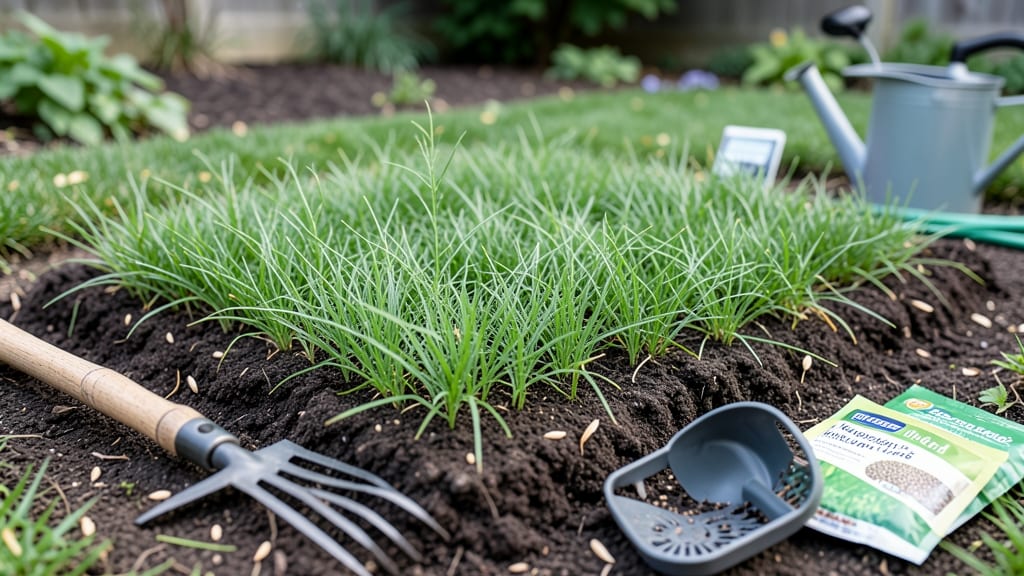
Planting grass seed in Idaho at the right time means the difference between a lush lawn and a patchy disappointment — and the window is narrower than you might think.
You’ve got 6-8 weeks from last frost to first frost to get it right, but miss that mark and your seed either rots in cold soil or wilts under summer heat.
In Idaho’s USDA Zones 4-7, timing isn’t just about the calendar; it’s about soil temperature, elevation, and even your local microclimate.
Here’s the breakdown: when to plant for thick, fast germination, how to adjust for high-desert vs. valley zones, and the 3-step checklist that saves new lawns from drying out before they take hold.
Skip the guesswork and learn the exact frost-free windows, seed varieties that thrive in Idaho’s climate, and watering tricks that keep your grass established in 2-4 weeks—no matter where you live in the state.
Idaho grass seed planting timeline by USDA hardiness Zone (with frost dates)
Getting your grass seed timing right in Idaho means the difference between a thick, lush lawn and patchy disappointment. Idaho spans USDA Zones 3-8, with frost dates varying dramatically—from mid-April in northern zones to early May in southern areas.
Planting too early risks frost damage, while waiting too late can leave your lawn vulnerable to summer heat stress.
Most Idaho gardeners focus on two ideal windows: early spring (March-April) and early fall (August-September). However, soil temperatures—not just air temperatures—determine success. Grass seeds need soil that’s at least 50°F (10°C) for germination, but 40-75°F (4-24°C) is the sweet spot for optimal root development.
Let’s break down the exact frost-free windows by zone so you can plant with confidence.
Pro Tip: Use a soil thermometer to check temperatures before planting. Idaho’s high desert regions (like Zone 6-7) can have wild temperature swings, making accurate timing critical. If your soil is still cold, wait—patience prevents wasted seed.
| USDA Zone | Last Frost Date | First Frost Date | Best Planting Window | Soil Temp for Germination | Risk Level |
|---|---|---|---|---|---|
| Zone 3 (North Idaho) | Mid-May | Late September | Late May–Early June | 55–70°F (13–21°C) | High (short window) |
| Zone 4 (North-Central) | Early May | Mid-October | April–May or August–September | 50–65°F (10–18°C) | Moderate |
| Zone 5 (Treasure Valley) | Early May | Late October | April–May or August–September | 45–60°F (7–16°C) | Low |
| Zone 6 (South-Central) | Late April | Early November | March–April or August–September | 40–55°F (4–13°C) | Very Low |
| Zone 7 (South Idaho) | Mid-April | Mid-November | March–April or August–September | 40–50°F (4–10°C) | Low (longer window) |
| Zone 8 (Magic Valley) | Early April | Late November | February–March or September–October | 45–65°F (7–18°C) | Moderate (warm-season options) |
If you’re in Zone 3 or 4, focus on late spring planting (May-June) to avoid late frosts. These northern regions have the shortest frost-free windows, so cool-season grasses like tall fescue or Kentucky bluegrass are your best bets—they establish quickly in cooler soils.
For Zones 5-7, both spring and fall planting work well.
Fall planting (August-September) gives seeds time to germinate before winter, while spring planting (March-April) aligns with Idaho’s natural rainfall patterns. Zone 8 gardeners can even plant in late winter (February-March) for warm-season grasses like Bermuda, but monitor soil temps closely—below 50°F (10°C) stalls germination.
Watch Out For: Idaho’s dry spells can dry out newly planted seeds faster than you think. After sowing, keep the soil consistently moist (not soggy) for the first 2-3 weeks. A light mulch of straw helps retain moisture without smothering sprouts. In Zone 7 and 8, afternoon watering is critical—evaporation rates soar in summer.
One common mistake? Planting too late in fall. If you’re in Zone 4-6 and sow seeds after mid-September, they may not establish roots before the first
Fall vs. spring planting in Idaho: which works better for your grass type?
Idaho’s cool, dry climate makes timing your grass seed planting a game-changer—especially when choosing between fall (Sept-Oct) and spring (April-May) windows. Most Idaho lawns thrive with cool-season grasses like Kentucky bluegrass or fescue, but the warm-season Bermuda grass needs a different approach.
Let’s break down which season works best for your grass type and why.
Fall planting is my top recommendation for Idaho’s cool-season grasses because the soil stays warm while air temperatures drop—perfect for seed germination. In spring, seeds can dry out faster due to strong winds and drought conditions, especially in high-desert areas.
Meanwhile, Bermuda grass, rare in Idaho but possible in southern zones, prefers spring planting when soil temperatures hit 65°F+.
🌱 Fall Planting (Sept-Oct) vs. Spring Planting (April-May)
Fall Planting
- ✅ Pros: Cooler air reduces water loss, seeds germinate faster in warm soil.
- ✅ Pros: Fewer weeds compete for nutrients in early fall.
- ✅ Pros: Grass establishes deep roots before winter dormancy.
- ❌ Cons: Late fall planting (Oct+) risks frost damage before germination.
- ❌ Cons: Drought stress in high-desert zones if rains delay.
Spring Planting
- ✅ Pros: Longer daylight speeds up early growth.
- ✅ Pros: Bermuda grass thrives in warm soil (65°F+).
- ❌ Cons: High evaporation dries out seeds quickly in Idaho’s wind.
- ❌ Cons: Weed competition peaks in spring, choking new grass.
- ❌ Cons: Thin patches if planted too late (after June).
For cool-season grasses, aim to plant 4-6 weeks before first frost (typically late August to mid-September in Idaho). This gives seeds time to germinate and develop roots before winter. In spring, plant as soon as soil reaches 50°F (usually mid-April in valleys, May in high desert).
Idaho’s drought resilience is a key factor. Tall fescue and fine fescue handle dry spells better than Kentucky bluegrass, making them ideal for fall planting in water-restricted zones.
If you’re in Zone 6-7 (southern Idaho), consider Bermuda grass for summer heat tolerance, but plant it no later than May to avoid stunted growth.
Pro tip: Test your soil temperature with a soil thermometer—cool-season seeds need 50-65°F, while Bermuda grass thrives at 65-75°F. In Idaho’s high desert, morning frost can delay planting, so adjust your timeline by 2-3 weeks if needed.
Remember: Watering is critical in both seasons. Newly planted grass needs 1-1.5 inches of water weekly (more in windy conditions) to prevent dormancy or seed washout. Use a light mulch (straw, not wood chips) to retain moisture and protect seeds from Idaho’s strong winds.