
Planting
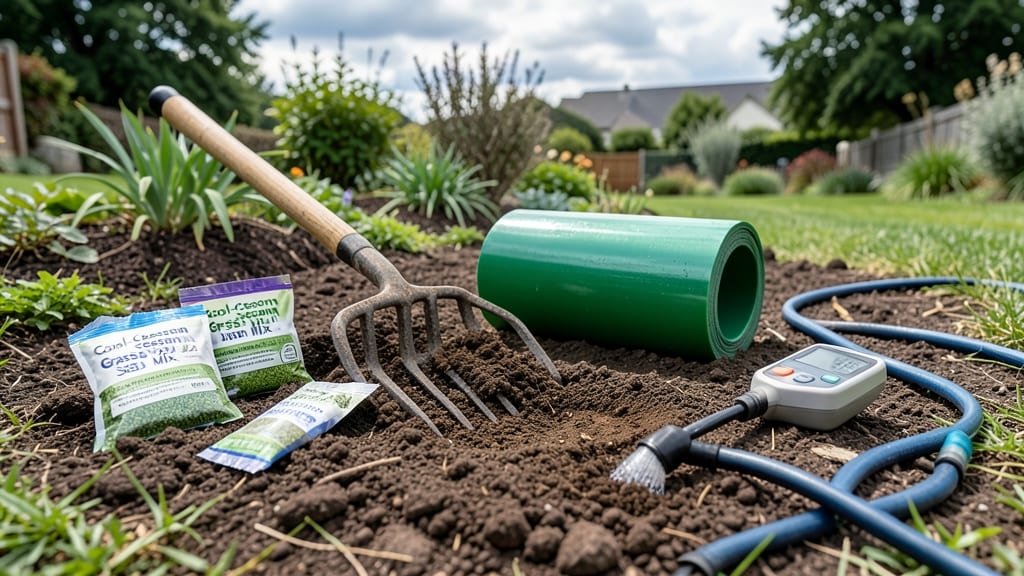
Planting grass seed in Southern California at the right time is the key to a lawn that stays thick and green through droughts and heatwaves.
Picture this: you’ve spent hours clearing weeds and prepping soil, only to watch your new grass seeds bake in the afternoon sun or drown under sudden winter rains.
That’s why timing matters more than most gardeners realize—especially in zones 9b-11, where summer heat and coastal fog create wildly different microclimates.
In this guide, I’ll show you the exact windows to plant for success, whether you’re in inland Riverside or coastal San Diego, plus the three mistakes that turn hopeful seedlings into a weed buffet.
By the end, you’ll know not just when to plant, but how to give your grass the best shot at outlasting the 100°F summers and competing with weeds year-round.
Southern California grass planting calendar: ideal months by climate zone
Southern California’s grass planting success hinges on microclimates—coastal areas like San Diego stay cooler and damper, while inland zones like Palm Springs face brutal summer heat. The ideal soil temperature for germination is 60-75°F, which means timing matters more than most gardeners realize.
Plant too early, and your seeds may rot; too late, and they’ll bake before sprouting.
For coastal regions (USDA zones 9b-10), the best windows are September through November and March through April. Inland areas (zones 10b-11) should aim for late August to October or February to March to avoid summer’s 100°F+ soil temperatures. Let’s break down the exact months for each zone.
Pro Tip: Always check your local weather forecast 1-2 weeks before planting. A sudden heatwave or rainstorm can derail even the best-laid plans.
March - April
February - March
March - April
If you’re in coastal Southern California, September and October are my top picks. The afternoon sun is less intense, and humidity levels stay higher, reducing evaporation.
This window also aligns with the natural rainfall that kicks off the wet season, giving your new grass a 30% better chance of survival compared to summer planting.
For inland areas, late August to September is critical. By this time, the scorching summer heat has subsided enough for soil temperatures to drop to 70°F or below. Planting in February or March also works, but you’ll need to water aggressively to combat the returning heat.
I’ve seen Bermuda grass planted in March thrive with daily watering, but Tall Fescue struggles unless you’re in a cooler microclimate.
Spring planting (March-April) is a close second for most regions, but it comes with risks. If temperatures spike above 85°F before your grass establishes, you’ll face dormancy or death.
To mitigate this, use a shade cloth for the first 2 weeks or choose heat-tolerant varieties like Zoysia or Buffalo grass.
One mistake I see often? Planting in November or December. While the winter rains help, the cooler soil temperatures slow germination to a crawl. Your grass may not establish before spring weeds take over.
If you must plant late, use a seed warmer or cover the area with clear plastic to trap heat.
Always test your soil temperature before planting—use a soil thermometer ($10 at garden centers) and check it 2 inches deep in the afternoon. If it’s above 75°F, wait a week or two. Patience here saves hours of re-planting later.
Finally, remember that shade patterns change with the seasons. What’s full sun in summer may be partial shade in winter. If your lawn has tree shade, opt for shade-tolerant grasses like Fine Fescue and plant in fall to give it time to establish before summer shade sets in.
3 Critical mistakes that kill grass seed success (and how to fix them)
Planting grass seed in Southern California’s 9b-11 climate zones requires precision—especially when avoiding these three common mistakes. First, many gardeners plant during summer heatwaves (June-August), when soil temps exceed 90°F and seeds dry out within hours. This is a recipe for failure, as seeds need consistent moisture to germinate.
Second, skipping soil prep is another silent killer. Compacted or nutrient-poor soil forces seeds to struggle for resources, leaving gaps where weeds move in. Even in coastal areas like Malibu, where fog provides some relief, proper aeration and compost are non-negotiable.
Third, ignoring microclimates leads to uneven growth. A sunny inland yard in Palm Springs behaves differently than a partially shaded coastal lawn in Santa Barbara. Without accounting for these variations, your grass may thin in one spot while thriving in another.
Even drought-resistant varieties like Buffalo grass need cooler soil temps (60-75°F) to establish roots. If you must plant in summer, use shade cloth and water twice daily for the first week.
To fix heatwave planting, shift your schedule to September-October or March-April, when soil stays cooler and morning dew helps seeds stay hydrated. For example, Tall Fescue thrives when planted in early fall, while Bermuda grass prefers late spring.
For soil prep failures, start with a soil test (pH 6.0-7.0 is ideal). Loosen compacted soil with a core aerator and mix in 2-3 inches of compost. In coastal areas, where soil may be sandy, add organic matter like peat moss to retain moisture.
When tackling microclimates, divide your lawn into zones. Use a sun/shade map to identify areas receiving less than 4 hours of sun—these spots need shade-tolerant grasses like Fine Fescue.
In inland valleys, where heat is intense, opt for drought-resistant varieties and mulch with straw to lock in moisture.
By avoiding these mistakes, your grass will establish 2-3 times faster and outcompete weeds naturally. The key? Plan ahead, prep thoroughly, and adapt to your yard’s unique conditions—whether you’re in Los Angeles or San Diego. 🌱