
Plants
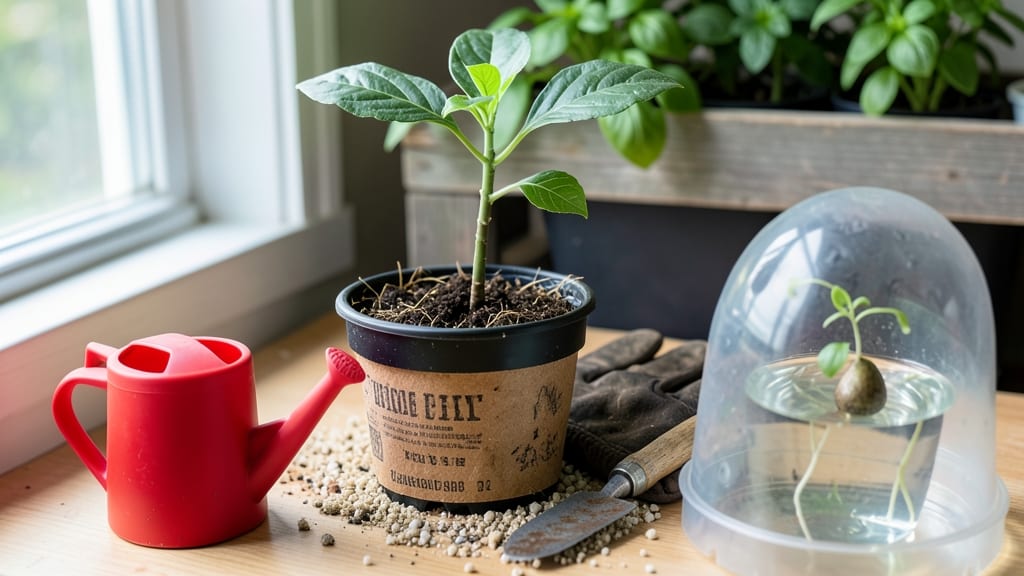
Planting an avocado seed in soil at the right time determines whether you get a thriving 🥑 tree or a sad, rotting pit.
You’ve probably heard that avocado seeds take forever to sprout—but the truth is, timing matters far more than patience. Too early, and your seed will drown in cold, damp soil.
Too late, and germination slows to a crawl, leaving you staring at a stubborn, stubborn pit. The secret? Soil temperature, not just the calendar.
For most of the U.S. (think Zone 6a and warmer), the ideal window opens when soil hits 60°F or above—typically late spring after your last frost.
But if you’re in a tropical climate, you can start anytime the ground isn’t soggy. Indoors? Year-round, as long as you keep it warm and moist.
Here’s how to nail the timing, from pre-sprouting in water to transplanting into soil—plus the three biggest mistakes that kill seeds before they even wake up.
Optimal planting timeline for avocado seeds by USDA hardiness Zone
Timing your avocado seed planting is critical—especially since these tropical trees thrive in warm soil (60°F-90°F). In USDA Zones 3-9, outdoor planting should wait until after your last frost date, while Zones 10-11 allow year-round planting with proper soil prep.
The key is balancing soil warmth and frost risk to avoid seed rot or stunted growth.
Most gardeners start seeds indoors 4-12 weeks before their ideal outdoor planting window. This head start ensures your seedling has true leaves before transplanting, giving it a fighting chance in cooler climates.
For example, in Zone 6a, I plant seeds indoors in March for outdoor transplanting by May 15—just after the last frost.
Here’s how to align your planting with your zone’s climate patterns:
In Zones 3-5, early planting is risky—seeds may rot if soil stays below 60°F. I recommend using a seedling heat mat to maintain warmth until sprouts emerge.
For Zones 6-9, aim to plant outdoors when nighttime temps stay above 55°F consistently, typically late April to early June.
For Zones 10-11, you’re in luck—avocado seeds germinate 3-6 weeks when planted directly in 70°F+ soil. I’ve seen seeds sprout in as little as 3 weeks during summer months, but winter planting (below 65°F) can stretch germination to 8-12 weeks.
Always monitor soil moisture to prevent drying out.
Pro tip: Use a soil thermometer to confirm temps before planting. Bury it 2 inches deep—the depth where avocado roots will establish. If temps dip below 60°F, delay planting or use a cloche or row cover to create a microclimate.
In my Zone 7b garden, I’ve lost multiple seedlings by planting too early—always better to wait!
Late planting isn’t ideal either. Seeds planted in July or August in Zones 3-9 may struggle with heat stress or limited root development before winter. For a balance, I target mid-April to early May in my zone, giving seedlings 3-4 months of growth before the first frost.
If you’re in a transition zone (e.g., Zone 8b), consider starting seeds indoors in February and transplanting by April 15. This gives your seedling a 2-month head start and reduces frost vulnerability. Always harden off seedlings for 7-10 days before moving them outdoors to prevent shock.
For container growers, timing is flexible—you can plant anytime the soil stays warm. Just ensure your pot has drainage holes and use a lightweight potting mix to prevent compaction.
I’ve successfully grown avocado seedlings in pots year-round in Zone 10, but they need bright indirect light and consistent warmth.
Remember: Patience is key. Avocado seeds are notoriously slow to germinate, but with the right timing and care, your 🌱 seedling could become a 🥑 fruit-bearing tree in 3-5 years. Start early, monitor soil temps, and don’t rush—your future avocado tree will thank you!
Soil temperature and moisture requirements for avocado seed germination
Avocado seeds need consistent warmth and balanced moisture to break dormancy. Unlike many plants, they won’t germinate in cold soil—even if planted at the "right" time. The key is maintaining a soil temperature between 60°F and 90°F, with 70°F being ideal for fastest sprouting.
Before planting, test your soil’s warmth by burying a soil thermometer 2-3 inches deep (the depth where roots will form). If it reads below 60°F, wait—your seed will sit dormant or rot. In Zone 6a, this typically means waiting until late May or early June after the last frost.
⚠️ WARNING: COLD SOIL KILLS AVOCADO SEEDS ⚠️
Moisture is just as critical as temperature. Avocado seeds need constant dampness (not sogginess) to sprout. Overwatering suffocates the seed, while drought stress halts germination. Aim for 60-70% soil moisture—test by squeezing soil: it should feel like a wrung-out sponge.
Use a well-draining mix (50% potting soil, 30% perlite, 20% coconut coir) to prevent waterlogging.
For containers, use terracotta pots with drainage holes—plastic traps excess moisture. Place pots on a tray of pebbles to maintain humidity without drowning roots. If growing indoors, group pots together to create a mini greenhouse effect, which speeds germination by 2-3 weeks.
Outdoor planting requires extra caution. In Zone 7-10, direct-sow seeds in well-prepared beds with compost after soil warms. In cooler zones, start seeds indoors in water (to pre-sprout) before transplanting into soil. Always harden off seedlings for 7-10 days before moving them outside to avoid transplant shock.
Monitor soil moisture daily during germination. Avocado seeds often sprout in 4-12 weeks, but inconsistent moisture can extend this to 6 months or more. Once the radicle (first root) appears, reduce watering slightly to encourage root strength.
True leaves (not the initial seed leaves) signal it’s time to gradually introduce sunlight.