
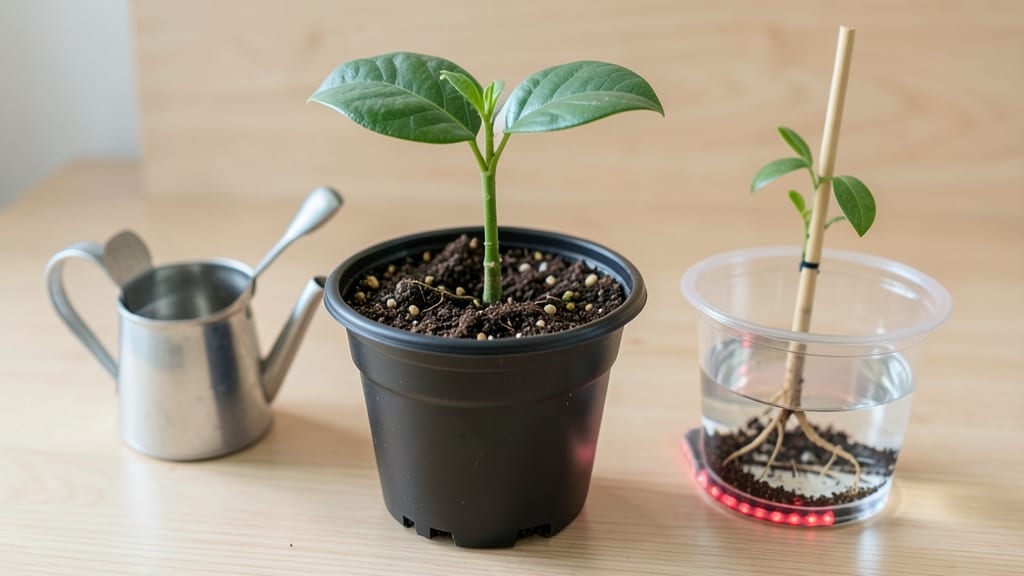
When to Plant Your Avocado Seed in Soil: Exact Timing for Strong Root Growth

Plants

When to Plant Your Avocado Seed in Soil: Exact Timing for Strong Root Growth

Planting your avocado seed in soil at the right time is the key to strong root growth and a thriving đŸ„‘ tree—wait too long, and you risk losing your seedling before it even starts.

Picture this: you’ve got a sprout peeking out of your seed, but you’re not sure if it’s ready for soil. Or maybe you’re in USDA Zone 6a and worried about that last frost sneaking in.

Timing isn’t just about the calendar—it’s about the seed’s signals, the weather, and even where you’re growing it (indoors vs. outdoors).

In this guide, I’ll walk you through the exact month-by-month windows for planting, how to spot when your seed is truly ready, and the common mistakes that stall growth.

Whether you’re a first-time gardener or a seasoned plant parent, these tips will help you avoid the pitfalls and set your avocado seed up for success.

You’ll learn when to move that seedling to soil—whether it’s just sprouted or already sporting 2–4 inches of roots—and how to adjust for your climate. No more guesswork, just science-backed steps to grow a healthy start.

đŸ„‘ When to Plant Avocado Tree Tree Tree
Jan ❄
Feb đŸŒ±
Mar đŸ„‘
Apr đŸ„‘
May đŸŒ±
Jun ☀
Jul ☀
Aug ☀
Sep 🍂
Oct 🍂
Nov 🍂
Dec ❄
Ideal Time
Also Good

Optimal planting timeline for avocado seeds: month-by-month breakdown

Timing your avocado seed for soil is critical—plant too early, and roots may rot; too late, and germination slows. The ideal temperature range for planting is 65–85°F, which aligns with spring and early summer in most climates.

Whether you're starting indoors or outdoors, this month-by-month guide ensures your seedling thrives from the first day in soil.

Avocado seeds germinate best when soil temperatures stay above 60°F. In USDA Zones 9–11, you can plant outdoors year-round, but Zones 7–8 require waiting until after the last frost (typically March–April). For indoor starts, begin 8–12 weeks before your outdoor planting window to harden off seedlings.

Here’s how to adjust for early or late seasons: If your spring arrives late, extend indoor germination under grow lights until soil warms. Conversely, if summer heat arrives early, delay outdoor planting until temperatures stabilize below 90°F to prevent stress.

Use this month-by-month summary as your roadmap, whether you're in a tropical climate or a cooler region. Each stage balances root development, sprout strength, and environmental conditions for the best start.

Month Indoor Planting Outdoor Planting Key Conditions
January Start seeds indoors (if frost-free zone) Not recommended (cold soil) 60–70°F, bright indirect light
February Continue indoor germination Wait for soil >65°F 65–75°F, 6+ hours light
March Hardening off seedlings Best month (after frost) 70–80°F, full sun
April Transplant outdoors (Zone 7+) Ideal for tropical zones 75–85°F, well-draining soil
May–June N/A (seedlings established) Monitor for pests/disease 80–90°F, mulch for moisture
July–August N/A Avoid planting (heat stress) 70–85°F (evenings), shade cloth

Signs your avocado seed is ready for soil (not too soon, not too late)

Your avocado seed isn’t ready for soil just because it’s sprouted. Root length and sprout strength are the real indicators. Planting too early can drown delicate roots, while waiting too long risks stunted growth.

I’ve learned the hard way—my first seedling wilted because I rushed it! The key is watching for these three clear signs before you transplant.

First, check for 2–4 inches of white, fibrous roots hanging from the bottom of your seed. These roots should look firm, not mushy. If they’re shorter than 2 inches, your seedling isn’t stable enough for soil.

Next, look for a 1–2 inch tall sprout with a few leaves unfurling. This shows the plant has enough energy to handle the stress of transplanting.

  1. đŸŒ± Roots reach 2–4 inches – Measure from the seed’s base. Shorter roots mean wait!
  2. 🌿 Sprout is 1–2 inches tall – A few leaves should be fully unfurled, not just peeking out.
  3. 💧 Soil is warm (65–85°F) – Test with your finger; it should feel like a warm bath, not cold.
  4. ☀ No frost risk – Check your local frost dates. Even a light frost can kill young seedlings.
  5. đŸȘŽ Pot has drainage holes – No exceptions! Stagnant water = root rot.

Don’t overlook soil temperature—this is often overlooked but critical. Stick your finger into the soil where you plan to plant. If it feels cooler than your wrist, wait. Ideal soil temps are between 65–85°F.

In cooler climates like USDA Zone 6a, this might mean waiting until late spring or even early summer. I once planted too early in April and lost my seedling to a surprise frost!

Another pro tip: Test soil moisture before planting. Press your finger into the soil—if it’s dry up to your first knuckle, it’s ready. If it’s still damp, wait 1–2 days. Overwatering at this stage is just as harmful as underwatering.

I use a spray bottle to mist the soil lightly for the first week after transplanting, then gradually increase watering as roots establish.

Finally, consider your light conditions. Avocado seedlings crave 6+ hours of sunlight daily. If you’re growing indoors, place it near a south-facing window or under a grow light. My seedling nearly died when I moved it to a dim corner—until I realized it needed more light!

Once planted, keep it in bright, indirect light for the first week to reduce stress.

Timing your transplant right ensures your avocado seedling thrives. Watch for those roots, sprout height, soil warmth, and frost-free conditions, and you’ll give your little tree the best start possible.

With patience and attention to these details, you’ll be on your way to growing a healthy avocado tree in no time! 🌳

★★★★★4.6(13 reviews)
Categories Plants