
Plants
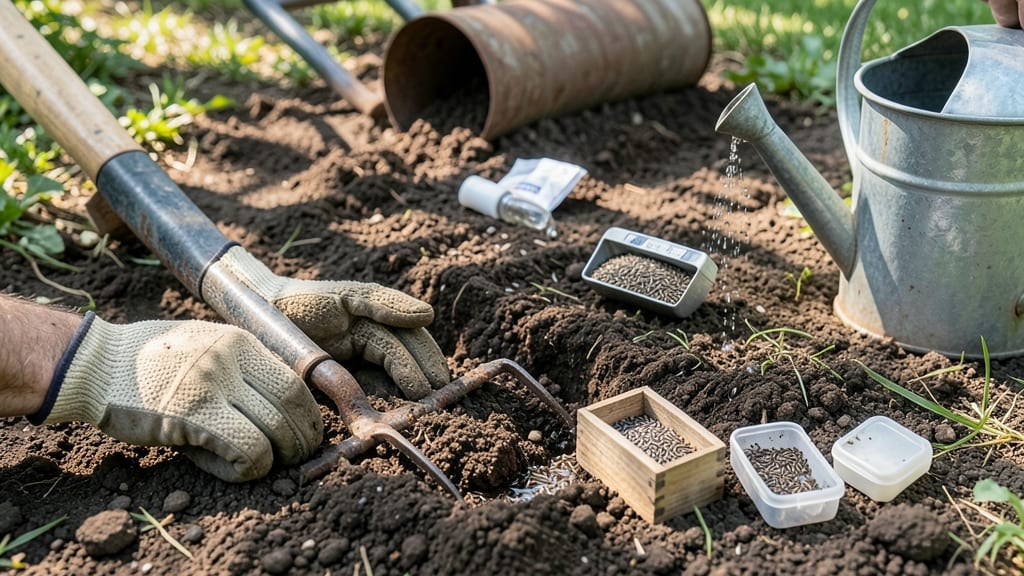
The best time to plant grass seed in spring is when soil temperatures hit 55–65°F—a window that varies by region but usually falls between early April and mid-May for most of the U.S. 🌱
Timing your grass seed planting just right in spring can mean the difference between a lush, green lawn and patchy, struggling growth—so knowing the perfect window is critical for success.
Too early, and cold soil slows germination; too late, and summer heat stresses young seedlings. In USDA Zone 6a, like much of the Midwest, aim for early to mid-April, but check your local frost dates and soil temps to fine-tune the schedule.
Below, I’ll break down the exact soil temperature ranges, zone-specific deadlines, and five key signs that your lawn is ready for seed—so you can skip the guesswork and get growing.
Optimal soil temperature ranges for planting grass seed in spring
Spring is the ideal time to plant grass seed, but getting the soil temperature right is the key to success. Most grass seeds germinate best when the soil sits between 50°F and 65°F.
This range ensures rapid sprouting without stressing young seedlings. If you plant too early, cold soil can delay germination, while waiting too long risks summer heat stress or weed competition.
Not all grass types thrive in the same soil conditions. Cool-season grasses like Kentucky bluegrass and tall fescue prefer 50°F to 60°F soil temperatures, making early spring (March-April in most regions) their sweet spot. Warm-season grasses, such as Bermuda and Zoysia, need 65°F to 75°F and should be planted in late spring or early summer instead.
Testing your soil temperature is simple but critical. Use a soil thermometer (available at garden centers) to check the temperature at a depth of 1-2 inches. This mimics where seeds will germinate.
For best results, test in the morning when soil temps are most stable. If your soil is too cold, wait a few days—patience now prevents weak growth later.
Why does soil temperature matter so much? Grass seeds need warmth to activate enzymes that break down stored nutrients, fueling early growth. At below 50°F, germination slows dramatically, while above 70°F can cause seeds to dry out or rot before sprouting.
Even a 5°F difference can mean the difference between a thick lawn and a patchy mess.
Here’s how to adjust your planting timeline based on soil temps. If your soil is below 50°F, hold off until daytime highs consistently reach 60°F for at least a week. For warm-season grasses, don’t rush—wait until soil temps hit 65°F or higher to avoid heat shock to seedlings.
| Grass Type | Ideal Soil Temp (°F) | Best Planting Window | Germination Time |
|---|---|---|---|
| Cool-Season (Kentucky Bluegrass, Tall Fescue) | 50°F–60°F | Early Spring (March–April) | 7–14 days |
| Warm-Season (Bermuda, Zoysia) | 65°F–75°F | Late Spring (May–June) | 10–21 days |
| Ryegrass (Fast-Germinating) | 50°F–65°F | Early to Mid-Spring | 5–10 days |
| Fine Fescue (Shade-Tolerant) | 45°F–55°F | Late Winter–Early Spring | 14–21 days |
Once you’ve confirmed your soil is in the ideal range, prepare the area by removing debris and loosening the top 2–3 inches of soil. This helps seeds make contact with warm soil and improves water absorption.
Lightly rake the surface to create a fine texture—this mimics the feel of a golf course and ensures even seed distribution.
After planting, keep the soil consistently moist but not soggy. Use a light mulch (like straw) to retain moisture and protect seeds from drying out. Water gently in the morning to avoid fungal risks, and avoid walking on the area until you see 3–4 inches of new growth.
This usually takes 2–3 weeks for cool-season grasses and 3–6 weeks for warm-season types.
If you’re in a transition zone (like USDA Zone 7), where spring temps fluctuate wildly, monitor soil temps daily. Early mornings can still be chilly even if afternoons warm up.
In these cases, consider using a seed blanket or row cover to add a few extra degrees of warmth and speed up germination.
Remember, the goal is to give your grass seed the best possible start. By aligning planting with soil temperature and regional climate, you’ll set the stage for a thick, resilient lawn that stays green all season long.
Don’t let a few degrees of hesitation turn into months of regret—check that thermometer and plant when the conditions are just right!
USDA planting zones & exact spring deadlines by region
Your USDA Planting Zone determines the exact window for spring grass seed planting—because what works in Zone 3 (like Minnesota) fails in Zone 9 (like Florida). Northern regions need to wait for soil to warm, while Southern zones risk heat stress if planted too late.
Let’s break down the ideal deadlines by zone and how to adjust for early/late springs.
For most cool-season grasses (like Kentucky bluegrass or fescue), the best planting window is 4–6 weeks before your last frost date. Warm-season grasses (like Bermuda or Zoysia) should go in late spring to early summer—after soil hits 65–75°F.
Below, I’ve mapped out the exact month ranges by zone, plus microclimate tweaks to avoid common mistakes.
If your spring arrives early or late, use soil temperature as your guide—not the calendar. Stick a soil thermometer 2 inches deep: 55–65°F is ideal for cool-season grasses.
For warm-season types, wait until 65–75°F. Pro tip: Shady lawns stay cooler longer, so plant 1–2 weeks later than sun-exposed areas.
Microclimates matter too. A south-facing slope warms faster than a north-facing yard, so adjust your timeline accordingly. In high-elevation areas (like Denver), plant 2–3 weeks later than sea-level zones. Always check your local frost dates—the USDA zone map is a starting point, but real-world conditions win.
Missed the deadline? Don’t panic. Fall planting (August–September) is the second-best time for cool-season grasses. Just avoid planting when daytime temps exceed 90°F—your seed will bake in the soil. With these zone-specific guidelines, you’ll time your planting like a pro and skip the patchy lawn headaches. 🌱