
Plants
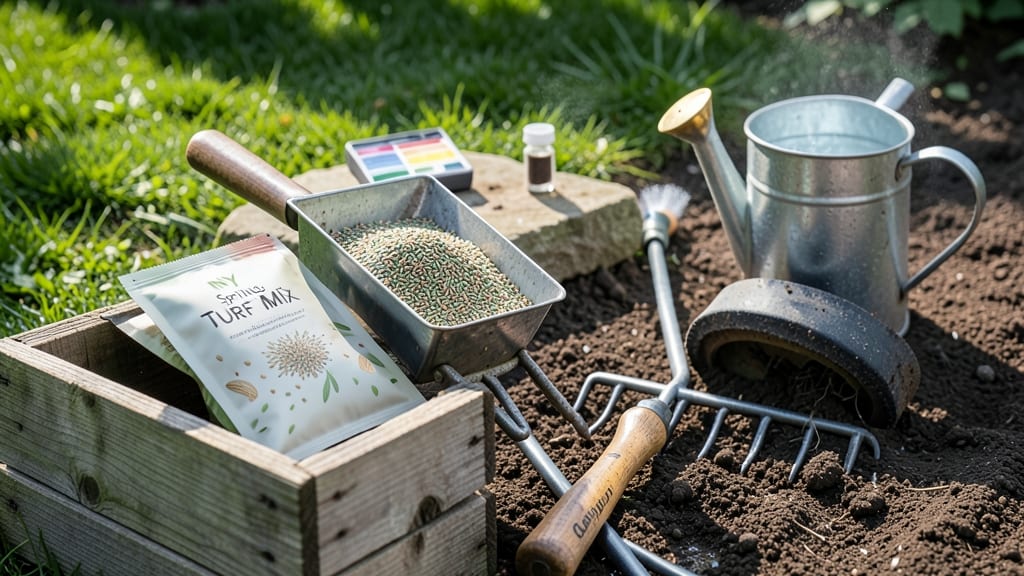
Planting grass seed in New York’s spring requires timing it just right to avoid late frosts and slow germination, especially in zones like 6a where temperatures can still dip.
Timing your grass seed planting in New York’s unpredictable spring can mean the difference between a lush lawn and frustrating regrowth—especially when late frosts lurk around the corner. One wrong move, and you’re staring at bare patches for weeks.
Most New York gardeners wait until after the average last frost date—around mid-April—but soil temperature is the real game-changer. Grass seeds need the ground to stay above 50°F for consistent sprouting, which often means waiting until early May in colder Upstate regions.
In this guide, I’ll break down the exact planting windows by zone, how to prep your soil for fast germination, and the best seed types for New York’s climate—so you can skip the guesswork and get a thick, green lawn by summer.
NY spring planting Zones: when to plant grass seed by last frost date
New York’s spring planting window for grass seed is a tightrope walk between late frosts and soil warming. In Zone 6a (covering most of NY), the average last frost date lands around April 15, but that’s just the starting point.
Grass seeds need soil temperatures to stay above 55°F for consistent germination, which often means waiting until early May in colder Upstate regions like Albany or Syracuse.
Downstate in Zone 7a (NYC, Long Island), you can push planting to mid-April if the ground stays warm, but even here, a 28°F night can kill new seedlings. The key is tracking soil thermometers—not just air temperatures—since cold nights can drop ground temps by 10°F+.
For cool-season grasses like Kentucky Bluegrass and Tall Fescue (the top choices for NY), aim for planting 4-6 weeks after your region’s last frost date. This gives seedlings time to establish roots before summer heat stress. In Zone 5b (northern NY), that means waiting until late May—don’t rush it.
In Zone 6a (the majority of NY), I recommend starting seed in mid-April if you’ve had a warm March, but be ready to cover seedlings with frost blankets if nights dip below 32°F.
For Zone 7a, you can plant as early as mid-March if soil temps stay above 50°F, but verify with local Cooperative Extension data—NYC’s urban heat island effect can create microclimates where frost risks vary by neighborhood.
One common mistake is planting too early and ending up with sparse, weak seedlings that struggle to outcompete weeds.
If you’re seeding in late April and still seeing frost warnings, opt for perennial ryegrass—it germinates faster (7-10 days) than Kentucky Bluegrass (14-21 days) and tolerates cooler soils.
For Upstate NY (Zones 5b-6a), push planting to late May unless you’re using a warm-season grass like Bermuda (not ideal for NY’s climate). The trade-off? You’ll miss the fall planting window (September), but spring seedlings have all summer to establish before winter dormancy.
Always test your soil’s pH (6.0-7.0) and nitrogen levels before seeding—NY’s clay-heavy soils often need gypsum or compost to improve drainage. A quick DIY test (vinegar + baking soda) can save you from investing in seed that won’t thrive in compacted soil.
Remember: Overseeding in early fall (September) is often more successful than spring planting in NY’s climate, but if you’re repairing bare patches now, stick to the soil temp rule and water deeply (1 inch per week) to encourage root growth.
Patience pays off—thick grass starts with proper timing, not just seed quality.
How to adjust planting for NY’s unpredictable spring weather patterns
New York’s spring weather can throw even the most experienced gardeners for a loop—one day it’s 50°F and sunny, the next it’s a 32°F frost warning. If you’ve ever planted grass seed only to watch it wither overnight, you know how devastating late frosts can be.
The key to success lies in proactive adjustments like soil warming, protective mulching, and smart seeding methods tailored to your region’s microclimate.
Upstate NY (Zones 5-6) often faces frost risks well into May, while NYC (Zone 7) may see milder conditions by early April. My strategy? Start with soil temperature checks—grass seeds need consistent warmth above 50°F to germinate properly.
If your soil is still cold, don’t rush—waiting an extra week can save you from patchy regrowth and wasted seed.
Here’s where most gardeners go wrong: they plant too early based on calendar dates rather than actual conditions. A soil thermometer ($10 at any garden center) is your best friend. Test it in the morning—if it’s below 55°F, delay planting.
For high-risk weeks, consider hydroseeding instead of broadcast seeding. The gel-based slurry protects seeds from temperature swings and keeps them hydrated longer.
⚠️ Late Frost Warning: When to Delay Grass Seed Planting
NYC (Zone 7): Wait until April 20-May 5—frost risk drops below 20%. Soil should stay above 55°F for 7+ days.
Upstate (Zones 5-6): Hold off until May 10-20. Test soil daily—frosts can linger until May 15 in high elevations.
Pro Tip: If frost is forecasted within 48 hours of planting, cover seeds with lightweight row covers or straw mulch (2-3 inches thick).
For moisture fluctuations, I swear by protective mulching with straw or wood chips. Spread a 2-inch layer after seeding to lock in moisture and insulate seeds from temperature swings.
Avoid thick mulch—it can suffocate young sprouts. In drought-prone weeks (common in late May), switch to drip irrigation on a timer to maintain consistent soil moisture without overwatering.
Heatwaves are another silent killer of new grass. If temperatures climb above 85°F before seeds germinate, they’ll dry out. My go-to solution? Shade cloth (30-50%) draped over seed beds during peak sun hours.
Remove it by late afternoon to prevent fungal growth from trapped humidity. For large lawns, consider hydroseeding with a moisture-retaining polymer—it’s pricier but cuts down on manual watering by 30%.
Finally, don’t underestimate the power of seed selection. Fast-germinating varieties like perennial ryegrass (sprouts in 5-7 days) give you a buffer against late frosts. Mix it with tall fescue for drought resistance.
If you’re in a shady lawn, fine fescue blends outperform Kentucky Bluegrass in low-light conditions. Always pre-moisten your seed mix before planting—it triples germination rates in dry soil.
Adjusting for NY’s spring quirks takes patience, but with these strategies, you’ll outsmart the weather and end up with a thick, vibrant lawn by summer. Start small—test a 10x10 ft patch first to refine your timing before committing to the whole yard. 🌱