
Plants
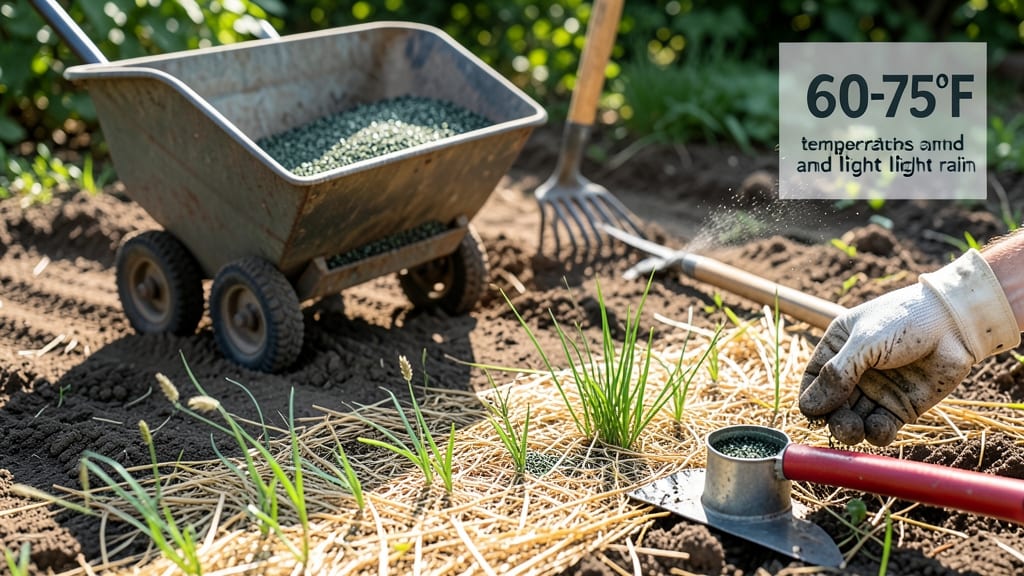
You should plant grass seed in the spring when soil temperatures consistently reach 55–65°F—the sweet spot for fast germination and strong root growth.
Timing your grass seed planting in spring can mean the difference between a lush, green lawn and weeks of patchy, slow growth—here’s how to get it right.
In USDA Zone 6, that window typically opens in early April, but cooler northern regions may wait until late April or even May, while warmer southern areas can start as early as March.
Below, I break down the exact soil temperature cues, regional adjustments, and 5 critical prep steps to ensure your grass sprouts quickly and thrives all season.
Optimal soil temperature ranges for planting grass seed in spring by US hardiness Zone
Getting your grass seed timing right in spring depends on soil temperature, not just air temperature. Most grass seeds need soil to warm to between 55°F and 75°F for ideal germination.
Cool-season grasses like Kentucky Bluegrass thrive at the lower end, while warm-season types such as Bermuda Grass prefer the upper range. Your USDA zone and regional climate play a huge role in determining the perfect planting window.
For example, in Zone 3–5 (northern states), soil may still be too cold in early spring, delaying planting until late April or May. Meanwhile, in Zone 7–10 (southern states), you can start as early as February or March.
Below, I’ve broken down the exact soil temperature ranges and planting windows for each zone, including regional variations like the Pacific Northwest vs. the Deep South.
🌱
In Zones 3–5, cool-season grasses like Tall Fescue and Perennial Ryegrass should be planted when soil hits 45–55°F. This typically aligns with late April or May, after the last frost date.
Use a soil thermometer to confirm—planting too early can lead to seed rot, while waiting too long risks summer heat stress.
For Zones 6–8, aim for soil temperatures between 55–65°F. This window often opens in early April but can shift based on regional weather.
For example, the Pacific Northwest may need to wait until May due to cooler, wetter springs, while the Southeast can start as early as March if the ground isn’t waterlogged.
In Zones 9–10, warm-season grasses like Bermuda and Zoysia thrive when soil reaches 65–75°F. Plant in February or early March to avoid the intense summer heat. In the Deep South, this might mean planting before April showers arrive, while coastal areas like Florida can start even earlier.
One common mistake is relying on air temperature alone. Soil warms more slowly, especially in shady areas or regions with high moisture. Always check the soil temperature at 2–4 inches deep, where seeds will germinate.
If your soil is still below the ideal range, wait another week or two—patience now means a thicker, healthier lawn later.
🌿
Pro tip: If you’re in a transitional zone (like Zone 7), consider planting a cool-season grass in early spring and a warm-season grass in late summer for year-round coverage. This two-step approach ensures your lawn stays green regardless of the season.
Just remember to adjust your watering schedule—cool-season grasses need consistent moisture, while warm-season types prefer deep, infrequent watering once established.
Finally, don’t forget to prepare your soil before planting. Loosen the top 2–3 inches of soil, remove debris, and level the area for even seed distribution. A quick pH test (ideal range: 6.0–7.0) can also save you from poor germination.
With the right timing and prep, your grass will sprout within 7–21 days, depending on the variety and conditions.
☀️
5 Critical signs your spring soil is ready for grass seed (beyond temperature)
Soil temperature is just the starting point—your grass seed won’t thrive if the foundation isn’t right. Beyond hitting that 55–65°F sweet spot, you need to check five key signs that your soil is truly ready.
These indicators ensure your seedbed supports fast germination and strong root development, not just temporary sprouting.
Many gardeners overlook moisture consistency and soil texture, but these factors directly impact how well your grass seed will cling to the soil and access nutrients. For example, clay-heavy soil can suffocate young roots, while sandy soil drains too quickly, leaving seeds high and dry.
Let’s dive into the five must-check signs before you scatter that first batch of seed.
- 1 Moisture Level: Soil should feel like a wrung-out sponge—damp but not soggy. Press your finger 1–2 inches deep; if it leaves a slight imprint but doesn’t feel sticky, it’s ideal. Overwatered soil can drown seeds, while dry soil repels them.
- 2 Soil Texture: Loose, crumbly soil with a fine, even texture (like dark chocolate cake) is perfect. Break up clumps with a rake or tiller to create a seed-friendly surface. Avoid compacted or rocky areas where seeds can’t penetrate.
- 3 Weed Competition: Pull or kill existing weeds—even small ones—before planting. Weeds steal water and nutrients, leaving your grass seed struggling. A pre-emergent herbicide applied 2 weeks before seeding can help, but organic options like vinegar sprays work too.
- 4 pH Balance: Test your soil’s pH—most grasses thrive in a 6.0–7.0 range. If it’s too acidic (<6.0), add lime; if alkaline (>7.0), mix in sulfur or peat moss. A simple $10 soil test kit from your local garden center makes this easy.
- 5 Seedbed Prep: Rake the soil to create a smooth, slightly rough surface (like a golf green). This helps seeds make direct contact with moisture and soil. Lightly press the area with a lawn roller or your boot to ensure seeds stay in place after planting.
Once you’ve confirmed these signs, your soil is primed for planting. But don’t stop there—mulch lightly with straw (not wood chips) to retain moisture and protect seeds from birds or harsh winds. I’ve found that a ¼-inch layer keeps the soil moist without smothering sprouts.
Pro tip: If your soil fails any of these checks, don’t panic. Amending with compost or peat moss can fix texture issues, while a slow-release fertilizer adds nutrients without burning young roots.
For example, I once had sandy soil that drained too fast—adding 2 inches of compost transformed it into a seed-friendly bed in just two weeks.
Remember, the goal is consistent moisture and optimal contact between seed and soil. Skipping these steps often leads to uneven germination or weak grass that struggles to compete with weeds later.
With these signs in mind, you’re ready to plant with confidence—and watch your lawn transform from bare soil to vibrant green in just a few weeks. 🌱