
Plants
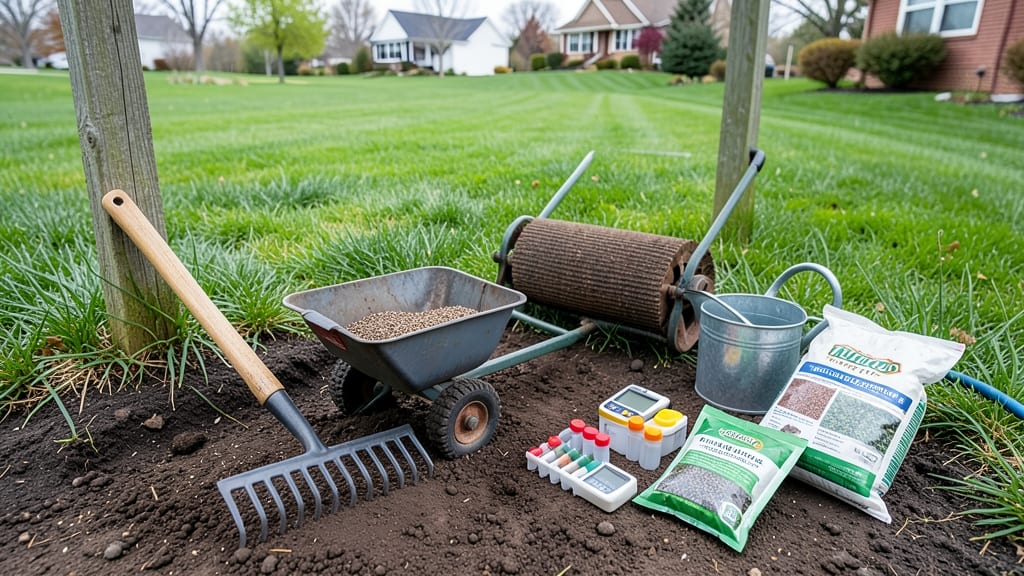
Planting grass seed in Iowa’s spring means timing it for soil temperatures between 50°F and 60°F—a narrow window that separates a lush lawn from wasted seeds.
Iowa’s unpredictable spring weather can turn your grass-seeding plans into a gamble—unless you know the exact soil temperature window that guarantees germination success. Missing this 3-week period means wasted seeds and delayed green lawns.
Most gardeners in USDA Zone 5a wait until mid-April, but that’s only half the story. The real secret is checking soil warmth—not just the calendar—and adjusting for Iowa’s regional frost quirks.
In this guide, I’ll walk you through the DIY soil test, the best grass seed varieties for Iowa’s climate, and how to lock in germination before weeds take over.
Iowa’s soil temperature rule: when to plant grass seed for 90%+ germination rates
Iowa’s spring soil temperature is the single most important factor in determining when to plant grass seed. Most cool-season grasses—like Kentucky bluegrass and tall fescue—won’t germinate until the soil reaches a steady 50°F.
Planting too early risks seed rot, while waiting too long means missed growth windows. The 3-week window after hitting 50°F is your best shot at 90%+ germination rates.
Don’t rely on air temperature alone—soil warms 3-5 days slower than the air. In Des Moines, for example, air might hit 60°F while the soil lingers at 45°F. This mismatch is why many Iowa gardeners see poor germination even when they think conditions are ideal.
Testing your soil’s actual temperature removes the guesswork.
Here’s how to check: Use a soil thermometer (or DIY method below) to measure 2-4 inches deep—this is where seeds will sprout. Take readings at 10 AM for consistency. If temps dip below 50°F at night, wait until they stabilize above that threshold for 3 consecutive days.
If you don’t have a soil thermometer, create one using a thermometer (like a candy or meat thermometer) and a 1-inch PVC pipe. Bury the pipe 2 inches deep and insert the thermometer into it.
Leave it in place for 24 hours to stabilize. This DIY method costs $5 and works just as well as commercial tools.
Once your soil hits 50°F, act fast. Cool-season grasses like tall fescue germinate in 7-14 days when conditions are ideal, but they’ll struggle if temperatures spike above 85°F. In Sioux City, for example, this means planting by May 10 to avoid heat stress.
Use a lightweight straw mulch (not hay—it contains weeds) to retain moisture and protect seeds from drying winds.
Pro tip: In southern Iowa (e.g., Ottumwa), you can sometimes plant as early as late March if you use black plastic mulch to warm the soil.
Lay the plastic down 2 weeks before planting to raise soil temps by 5-10°F. Remove it right before seeding to avoid overheating the seeds.
After planting, keep the soil consistently moist (not soggy) for the first 3 weeks. Use a sprinkler with fine mist to avoid displacing seeds. In Des Moines, this often means watering daily in the morning until you see 50% germination (usually 10-14 days later).
Once sprouts reach 2 inches tall, reduce watering to every other day.
Remember: Fall planting (late August–September) is just as critical for Iowa lawns. Soil temps drop below 50°F by October 15, but seeds planted in late August will establish roots before winter and explode in growth the following spring. This two-season approach ensures year-round green coverage.
🌱
3 Critical factors that ruin grass seed planting (and how Iowa gardeners fix them)
Even after nailing the soil temperature window, Iowa gardeners still lose seeds to three silent killers: late frost, soil compaction, and moisture imbalance. These factors can turn your carefully planned seeding into a patchy, weed-infested mess—unless you address them proactively.
Let me show you how Iowans like you fix these common mistakes before they ruin your lawn.
First, late frost is the sneakiest problem in Iowa's unpredictable spring. Seeds planted in early April in Cedar Rapids can get fried by a hard freeze as late as April 20. The solution?
Use row covers or black plastic mulch to create a 5°F warmer microclimate around your seeds. Lay the plastic down 3-5 days before planting and remove it immediately after seeding to avoid overheating.
⚠️ WARNING: These 3 Mistakes Wipe Out 70% of Iowa Grass Seedlings ⚠️
Problem: Seeds planted in early April can still face 20°F nights in northern Iowa. Even if soil hits 50°F during the day, nighttime drops can kill sprouts before they emerge. Fix: Use frost blankets (lightweight row covers) for 10-14 days after planting. Or plant 2 weeks later in high-risk zones like Sioux City to guarantee frost-free germination.
⚠️ Soil Compaction ⚠️
Problem: Iowa's heavy clay soils often get compacted from foot traffic or equipment, creating a hardpan layer just below the surface where seeds struggle to root. Fix: Aerate 2-4 weeks before planting using a core aerator (not spike aerators—they just punch holes). For small areas, rent a manual aerator ($50/day) or use a garden fork to punch holes every 6 inches.
⚠️ Moisture Imbalance ⚠️
Problem: Iowa's dry winds in May can dry out seeds faster than they germinate, while overwatering causes seed rot. The sweet spot? Consistent moisture without soggy soil. Fix: Water lightly 2x daily (morning and evening) for the first 7 days using a fine mist sprinkler. After germination, switch to deep watering every 3 days. Add 1 inch of straw mulch to lock in moisture without suffocating seeds.
For soil compaction, Iowans swear by gypsum amendments in heavy clay areas. Mix 20 lbs of gypsum per 100 sq ft into the top 2 inches of soil before seeding.
This improves drainage and root penetration without altering soil pH. In Des Moines, where clay soils dominate, this simple step can double your germination rate.
Finally, moisture imbalance is where most gardeners go wrong. Many assume "more water is better," but overwatering suffocates seeds by blocking oxygen. Instead, aim for consistent light moisture—think of a damp sponge, not a swamp.
In Sioux City, where winds dry out soil quickly, I use soaker hoses buried 1 inch deep to deliver water directly to roots without disturbing seeds.
Pro tip: If you're planting in shady areas (like under trees), choose fine fescue varieties that tolerate 30% less sunlight. These grasses germinate slower but establish better in low-light conditions. Pair them with mycorrhizal fungi (available as a powder) to boost root growth in compacted soils.
🌱