
Plants
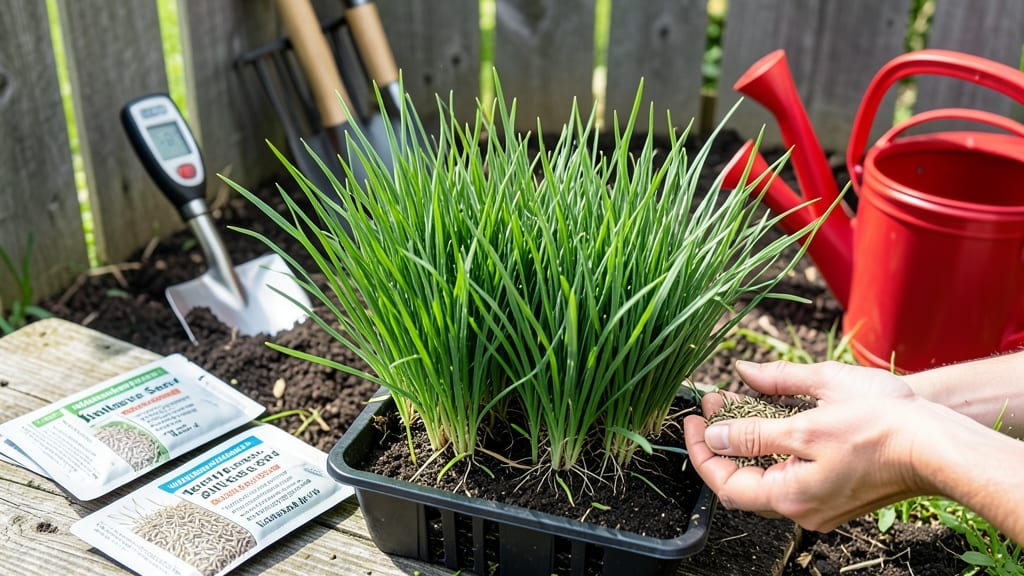
The best time to plant grass seed in Missouri is during the cool-season window—early fall or spring—when your lawn gets the ideal conditions for deep roots and long-term resilience.
Missouri’s unpredictable weather can turn a lush lawn into a battleground—unless you plant grass seed during the perfect window. Timing isn’t just about avoiding frost; it’s about giving grass roots the cool-season boost they need to thrive.
In zones 5b-6b, the ideal window is September-October (early fall) or March-April (spring), when soil temps hover between 50°F and 65°F. Plant too early, and frost can stall growth; too late, and summer heat stresses young roots.
Below, I break down the exact months, soil prep tricks, and regional tweaks to ensure your grass seed germinates fast and stays green—no matter whether you’re in St. Louis or Kansas City.
Missouri’s ideal grass-seeding timeline: cool-season window explained
Missouri’s cool-season grasses like Kentucky Bluegrass and Tall Fescue thrive when planted during optimal temperature windows—not just random months. The perfect timing ensures deep root growth before summer heat or winter dormancy sets in. For Missouri homeowners, this means two critical windows: early fall and spring.
Why these windows? Cool-season grasses germinate best when soil temperatures hover between 50°F and 65°F. In Missouri’s USDA Zones 5b-6b, this aligns with March-April and September-October. Planting outside these ranges risks poor germination or shallow roots that struggle in summer’s heat.
Missouri’s frost dates play a key role: the last frost typically arrives by April 15, while the first frost hits around October 15. Planting 4-6 weeks before the first frost gives grass time to establish roots before dormancy. Similarly, spring planting should start 2-3 weeks before the last frost to avoid late-season cold snaps.
Here’s the golden rule: Soil temperature > air temperature. Use a soil thermometer (available for $10-$15) to confirm conditions. In Missouri, 60°F soil is ideal for seed germination—cooler than you’d expect! This often means waiting until late March or early September in most regions.
Regional variations matter too. Northern Missouri (e.g., St. Joseph) may need to delay until mid-April due to colder springs, while southern areas (e.g., Poplar Bluff) can start late February. Always check your local frost dates via the Missouri Climate Center for precision.
Missouri’s erratic spring rains add another layer. Planting in September avoids the April showers that can wash seeds away or cause soil compaction. Fall-planted grass also benefits from even moisture as winter rains set in, reducing the need for frequent watering.
Let’s break down the ideal planting timeline with Missouri-specific details, including soil prep and post-planting care to maximize success.
| Planting Window | Soil Temp Range | Missouri Regions | Key Considerations |
|---|---|---|---|
| Early Spring (March-April) | 50°F–65°F | Statewide (earlier in south) | Avoid late frosts; water daily for 2 weeks |
| Early Fall (September-October) | 55°F–68°F | Statewide (earlier in north) | Benefits from winter moisture; plant 4–6 weeks before frost |
| Avoid Summer (June-August) | >75°F | All regions | Seeds dry out; roots struggle to establish |
| Late Fall (November) | <45°F | Northern MO only | Limited germination; high frost risk |
For spring planting, aim for late March to mid-April in most of Missouri. Start by prepping soil in February: till the area to 3–4 inches deep, remove debris, and level uneven spots.
A soil test (available through University of Missouri Extension for $15) ensures proper pH (6.0–7.0 for cool-season grasses).
Once planted, consistent watering is critical. Keep soil moist but not soggy—this means 1–1.5 inches of water weekly, applied in the morning to reduce evaporation and fungal risks. In Missouri’s humid summers, watering at dawn also prevents disease pressure from overnight moisture.
Fall planting offers longer establishment time before winter. Target mid-September to early October, when soil is still warm but days are cooling. This window lets grass develop deep roots before dormancy, resulting in a greener, more resilient lawn the following spring.
In northern Missouri, delay until late September to avoid early frosts.
Missouri’s microclimates can shift these dates by 1–2 weeks. Urban areas like St. Louis may experience heat islands, delaying fall planting until October. Conversely, rural areas with cooler nights might start earlier. Always monitor 7-day forecasts for consistent temperatures—avoid planting during unpredictable weather swings.
Pro tip: Overseed in fall for instant results. If your lawn has thin patches, spread Kentucky Bluegrass or Tall Fescue seed in September. The grass will germinate quickly and fill gaps before winter, giving you a head start in spring. Just remember: lightly rake the soil first
How Missouri’s microclimates affect planting success
Missouri’s geography creates distinct microclimates that shift planting windows by weeks—sometimes even months. Urban areas like St. Louis and Kansas City experience urban heat islands that delay frost, while rural zones in the Ozarks stay cooler longer. These differences mean your neighbor’s perfect timing might fail in your yard.
Elevation also plays a role: higher areas in the Ozarks (like Springfield) can have 2-3 weeks earlier frost than St. Louis. Humidity levels vary too—western Missouri’s drier air speeds up evaporation, while eastern regions stay moist longer, affecting watering needs.
To adapt, check your USDA zone (5b-6b) and local frost dates. Rural areas often follow the standard September-October window, but urban zones may extend planting until mid-November before frost risk spikes.
Comparison Table: Missouri Microclimates & Planting Adjustments
| Region | Key Climate Factor | Best Planting Window | Adjustment Tip |
|---|---|---|---|
| St. Louis Metro | Urban heat island | Late Sept–mid Nov | Wait for soil to cool below 70°F |
| Kansas City | Moderate humidity | Early Sept–Oct | Use shade cloth if planting early |
| Ozarks (Springfield) | Higher elevation | Mid-Aug–Sept | Start 2 weeks earlier than lowland areas |
| Western MO (Columbia) | Drier climate | Sept–early Oct | Water deeply at dusk to reduce evaporation |
If you’re in a warmer microclimate (like south St. Louis), consider warm-season grasses like Bermuda or Zoysia for summer planting. These thrive in 80°F+ soil and can handle Missouri’s heat better than cool-season types.
For cool-season grasses, soil temperature probes are your best tool—aim for 50°F-65°F at 4-inch depth. In urban areas, pavement and buildings can keep soil 5-10°F warmer than rural zones, delaying frost.
Pro tip: Monitor local NOAA frost forecasts and adjust your window by 1-2 weeks if your area runs hotter or cooler than average. A few extra days of ideal conditions can mean the difference between a thin lawn and a lush carpet of grass. 🌱