
Plants
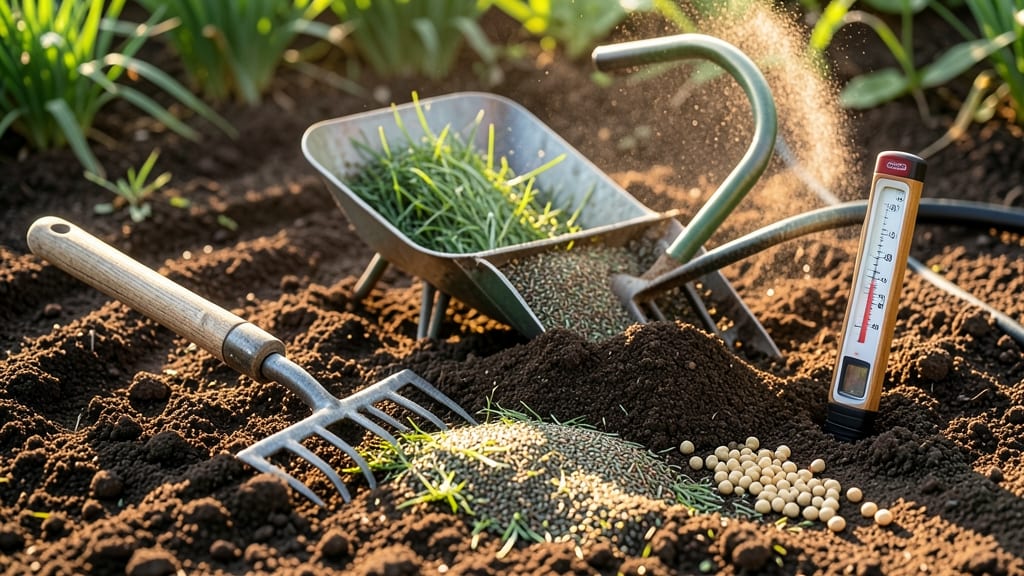
Planting grass seed in Missouri in spring depends on soil temperature, not just the calendar date — aim for 40°F to 60°F for best results.
Missouri’s unpredictable spring weather can make timing your grass seed planting a high-stakes gamble—plant too early and risk frost damage, too late and face summer drought stress. But with the right soil temperature cues and a clear deadline, you can achieve a lush lawn without the guesswork.
In USDA zones 5b-7a, the ideal window spans March through May, but northern Missouri’s cooler climate shifts that timeline earlier than southern regions. The key is waiting until the soil warms consistently above 40°F at a 4-inch depth—that’s when seeds germinate reliably.
Below, I’ll walk you through how to test your soil, the exact deadlines by region, and the 3 common mistakes Missouri gardeners make that lead to patchy lawns. No more guessing—just a step-by-step guide to timing it right.
Missouri spring grass planting deadlines by soil temperature (not calendar date)
Missouri’s cool-season grasses (like tall fescue and Kentucky bluegrass) thrive when soil temperatures sit between 40°F and 60°F—not based on the calendar. This range ensures seeds germinate without frost damage while avoiding summer drought stress.
Warm-season grasses (such as Bermuda or zoysia) prefer 65°F+, but spring planting isn’t ideal for them—save those for late May or June.
Northern Missouri’s USDA zone 5b (e.g., St. Louis northward) often hits 40°F soil temps by early March, while southern areas (zone 7a, like Springfield) may wait until mid-April.
The key is consistency: check temps at 4-inch depth for 3-5 days. If they dip below 40°F at night, delay planting.
Here’s the critical rule: Plant cool-season grass within a 30-day window after soil reaches 40°F. Miss that window, and you risk patchy germination or weed competition.
For example, if your soil hits 40°F on March 10, aim to plant by April 10—no exceptions. Use this 30-day calculator to set your deadline:
Missouri’s humid climate adds another layer: clay soil retains moisture longer, delaying soil warming. If your yard feels soggy in spring, test soil moisture by squeezing a handful—if it forms a ball, wait 2-3 more days before planting.
Pro tip: Use a soil thermometer ($10 at garden centers) to avoid guessing. Bury it 4 inches deep for 24 hours to get an accurate reading.
For northern Missouri, aim to finish planting by April 15—any later, and you’ll compete with crabgrass and dandelions. Southern Missouri gardeners have until May 1, but don’t push it.
If your soil hits 60°F+, switch to warm-season grasses or delay until fall. The 30-day window isn’t arbitrary: it accounts for seedling establishment before summer heat arrives.
Missouri’s average last frost date (March 15) is a red herring—soil temps lag behind air temps by 2-3 weeks. Planting 2 weeks before the last frost (as many guides suggest) is risky.
Instead, wait until soil is consistently above 40°F for 5 days. This ensures roots establish before spring rains wash seeds away or fungal diseases take hold.
One common mistake is planting Kentucky bluegrass too early—it germinates at 35°F but struggles in cold, wet soil. Opt for tall fescue if you’re in a hurry; it tolerates cooler temps and shade.
For southern Missouri, fine fescue is a great drought-resistant alternative. Always rake seeds into soil to a depth of ¼ inch—Missouri’s clay-heavy soil can
How to test soil readiness & avoid 3 common Missouri spring planting mistakes
Testing your soil’s readiness is the first step to avoiding patchy germination and wasted seed. Missouri’s clay-heavy soils and humid climate create unique challenges—soil that feels dry on top may still be too cold 4 inches deep, where roots actually grow.
The key is checking soil temperature and moisture balance before planting.
Use a soil thermometer (available for $10-$15) to measure 4-inch depth temperatures daily for 3-5 days. For cool-season grasses like Kentucky bluegrass, wait until soil hits 40°F consistently. Warm-season grasses like Bermuda need 60°F+.
Missouri’s northern regions (like St. Joseph) may need to wait until mid-April, while southern areas (like Springfield) can start as early as late March.
⚠️ callout-warning ⚠️
Missouri’s compacted clay soil holds cold longer than sandy soils. Planting before 40°F soil temp risks:
- Seed rot from excess moisture
- Frost damage to new sprouts
- Poor germination (seeds may not sprout)
💡 Pro Tip:
Test soil moisture by squeezing a handful—if it doesn’t crumble when dry, it’s too wet. Wait until it’s moist but not soggy.
Watch for 3 red flags that signal premature planting: yellowing grass (indicating frost stress), slow germination (seeds taking >2 weeks to sprout), or moldy soil (from overwatering cold ground).
These signs often appear in Missouri’s humid springs, where excess moisture lingers. If you see these, delay planting and focus on aerating compacted soil first.
Create a soil readiness checklist before planting: ☑️ Soil temp at 4-inch depth meets grass type requirements ☑️ Moisture level is evenly damp (not dry or soggy) ☑️ No frost warnings for the next 7-10 days ☑️ Soil pH is 6.0-7.5 (test with a $5 soil kit) ☑️ No standing water after rain (clay soil drains poorly)
Missouri’s late spring heat can also be a problem—if soil temps exceed 80°F, seeds may dry out before germinating. Monitor weather forecasts and aim to finish planting by May 15 in northern Missouri or June 1 in southern areas.
For shade-tolerant varieties, extend your window slightly, but never plant after June 15—summer drought will stress young grass.
Once your soil passes these tests, seed-to-soil contact becomes critical. Rake the area to break up clay clumps, then lightly drag a lawn roller to press seeds into the top ¼ inch of soil.
Water gently with a fine mist (not a sprinkler) to avoid displacing seeds. Consistency is key—keep soil moist but not waterlogged until germination (usually 10-21 days).