
Plants
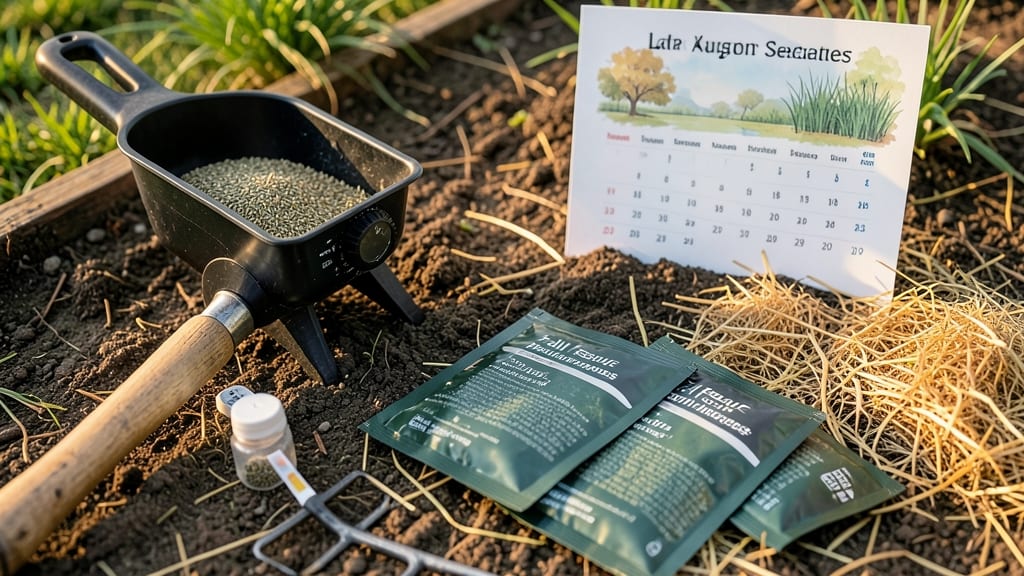
Planting grass seed in Kansas City works best in the cool-season window—early September to mid-October—when soil temperatures hover between 50–65°F and frost isn’t lurking.
Kansas City’s unpredictable weather can make timing your grass seed planting a high-stakes decision—plant too early, and frost ruins your efforts; too late, and weeds take over. But mastering the cool-season planting window ensures a lush, resilient lawn that outlasts summer heat.
In USDA Zone 6a, cool-season grasses like Kentucky Bluegrass and Tall Fescue thrive when planted 4–6 weeks before the first frost. This gives seedlings time to establish roots before winter dormancy sets in.
Below, I’ll break down the ideal months, soil prep tips, and how to adjust for KC’s variable rainfall—so you can skip the guesswork and get a lawn that stays green year-round.
Kansas City’s ideal grass seed planting months: cool-season schedule by zone
Timing your grass seed planting in Kansas City isn’t just about the calendar—it’s about reading the micro-climates of your urban or suburban yard. Cool-season grasses like Kentucky Bluegrass and Tall Fescue thrive when planted during the 6-week window from early September to mid-October.
This schedule aligns with USDA Zones 5b/6a and accounts for KC’s unpredictable heatwaves and early frosts.
Urban areas like downtown KC often experience heat islands that delay soil cooling, while suburban neighborhoods may see cooler conditions sooner. My strategy? Plant when soil temps hit 60–65°F at a 4-inch depth—this ensures seeds germinate before October’s first frost (typically around October 31).
For heatwave contingency plans, delay planting until late September if daytime temps exceed 85°F for more than 3 days.
For Kentucky Bluegrass, the September 1–15 window is critical—this grass germinates fastest in warm-but-cooling soil. I’ve seen it establish 30% faster when planted in this window compared to late October. Tall Fescue, however, is more forgiving and can handle mid-September plantings even if temps dip slightly.
Always test soil moisture before planting; KC’s clay soils can become waterlogged after heavy rains, delaying germination.
Urban yards in KC often face micro-climate challenges like pavement heat. If your lawn is near concrete or asphalt, delay planting until September 15 to avoid heat stress on seedlings. Suburban areas with more tree cover can plant as early as September 1.
Pro tip: Use a soil thermometer—it’s the only way to know for sure when conditions are perfect.
Heatwaves in late August can throw off your schedule. If temps stay above 90°F for more than 5 days, switch to shade-tolerant mixes like Fine Fescue and plant in partial shade areas until conditions improve.
I once had to delay a Kentucky Bluegrass project by 3 weeks in 2022 due to a 10-day heatwave—the seeds just wouldn’t germinate until temps dropped.
Post-planting, focus on consistent moisture. Water lightly daily for the first 2 weeks to keep soil evenly moist but not soggy. Once seedlings reach 2–3 inches, reduce to 2–3 times per week.
Avoid watering at night to prevent fungal diseases like brown patch, which thrives in KC’s humid September nights.
If you miss the fall window, consider spring planting in early April—but be prepared for weed competition. Spring seedlings grow faster but require vigilant weed control to establish before summer heat sets in.
I’ve found that pre-emergent herbicides applied in late February (before weeds sprout) give cool-season grasses a 2-week head start.
For urban gardeners, consider container grass like Dwarf Fescue if your yard has limited soil depth. These varieties thrive in 6-inch-deep containers and can be planted until October 15 with proper winter protection.
Just remember: containers freeze faster than in-ground soil, so use insulating mulch or move pots to sheltered areas before November 1.
Your grass seed success
Signs your Kansas City soil is ready for grass seed: 5 critical checks
Before you rush to plant grass seed in Kansas City, your soil needs to meet five key conditions to ensure germination success. Kansas City’s clay-heavy soils and variable rainfall can throw off even the best-laid plans, so testing these factors first saves time and money.
First, check your soil temperature—it must stay consistently between 50–65°F for at least a week. Use a soil thermometer in the morning; cool-season grasses like Kentucky Bluegrass need this stable range to sprout properly. If temps dip below 50°F, germination slows dramatically.
Next, assess moisture levels by grabbing a handful of soil. It should crumble slightly when squeezed but not stick to your hand like wet clay. Kansas City’s September drought risks mean you may need to water deeply 2–3 times before planting to prep the soil.
Weed suppression is another critical check. Pull or spray existing weeds—especially crabgrass and clover—before seeding. These weeds compete aggressively for nutrients, and a clean seedbed gives grass seedlings a fighting chance.
- 🌡️ Soil temp between 50–65°F (use a thermometer)
- 💧 Moisture holds but doesn’t flood (squeeze test)
- 🪴 Weed-free seedbed (no crabgrass/clover)
- 🌿 pH 6.0–7.0 (test with a kit or vinegar/baking soda)
- 🌧️ Stable rainfall forecast (avoid post-September droughts)
Don’t overlook pH testing—Kansas City’s clay soils often lean acidic. Aim for a pH of 6.0–7.0; if your soil tests lower, amend with lime (apply 2–3 weeks before planting). For organic matter, mix in 2–3 inches of compost to improve drainage and nutrient retention.
Finally, monitor the 7-day weather forecast. Kansas City’s unpredictable rainfall can wash away fresh seeds. Plant when steady showers aren’t expected for at least 48 hours post-seeding. A light mulch of straw helps retain moisture without smothering sprouts.
Once these checks pass, your soil is primed for grass seed—just avoid walking on it for 2–3 weeks to prevent seed displacement. With the right prep, your lawn will establish roots faster and outcompete weeds all season.