
Plants
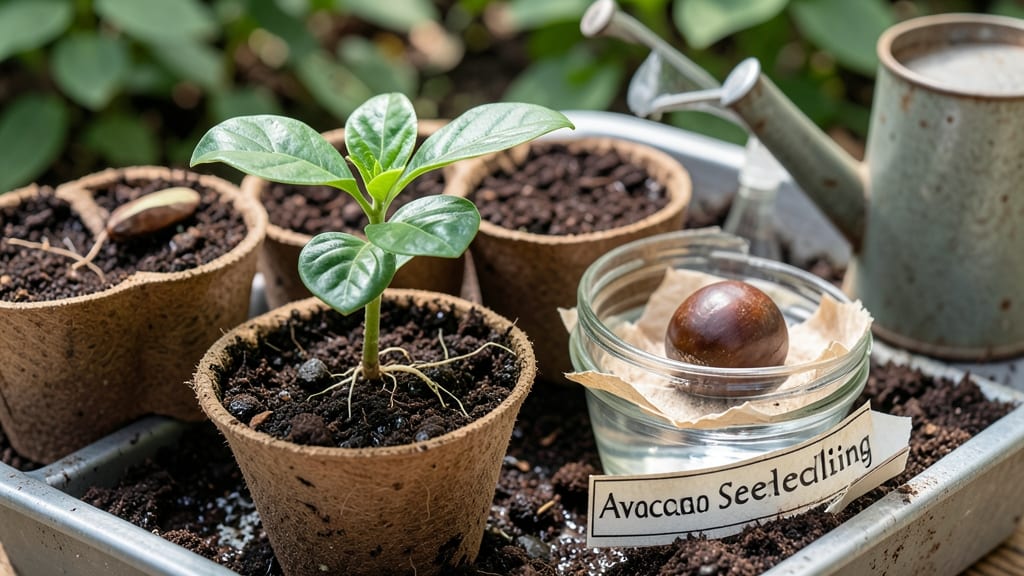
Planting an avocado seed in soil at the right time is the difference between a thriving 🥑 tree and a sad, wilted sprout that never makes it past the seedling stage.
You’ve probably heard that avocado seeds take weeks—or even months—to sprout, but rushing the process is a common mistake. Plant too soon, and your seed will rot; wait too long, and it may dry out before roots even form.
The key is patience and precision, especially in Zone 6 where frost can turn a promising seedling into a loss.
Whether you’re growing indoors year-round or preparing for an outdoor transplant, timing depends on your climate and the seed’s readiness. In warmer zones, you can start anytime, but in temperate areas like Zone 6, the window is narrow—spring after the last frost is your best bet.
Below, I’ll break down the exact steps to maximize your chances of a 90% germination success rate, from soaking to soil placement.
Ready to turn that pit into a tree? You’ll learn how to tell when your seed is ready, the best soil mix to use, and how to avoid the two biggest pitfalls—overwatering and transplant shock. Let’s get started.
Optimal planting timing for avocado seeds by climate zone
Avocado seeds thrive in warmth, but planting timing varies dramatically by USDA hardiness zone. In Zones 10-11 (California, Florida, Hawaii), you can plant seeds year-round thanks to frost-free conditions.
Meanwhile, gardeners in Zones 6-9 must wait until spring after the last frost date—typically mid-April to June—to avoid cold damage. Even a single night below 32°F can kill young seedlings, so timing is everything.
For indoor starters, begin soaking your seed in March or April (regardless of zone) to give it a head start. This allows roots to develop before outdoor temperatures stabilize.
In Zones 4-5, wait until late May or even June, as early planting risks frost exposure. Always check your local frost dates—they’re your planting calendar.
In Zones 10-11, avocado seeds can go straight into well-draining soil anytime, but spring (February–April) is ideal for faster germination. The key is maintaining consistent warmth—avocado seeds need 70°F+ (21°C+) to sprout. Use a seedling heat mat if your climate dips below this range, even in warm zones.
For Zones 6-9, indoor germination is a must. Start seeds in water (not soil) in March, then transfer to soil once roots reach 2–3 inches. Wait until nighttime temperatures stay above 50°F (10°C) before moving outdoors. A frost cloth can buy you extra weeks in cooler zones.
Never plant avocado seeds in fall or winter in cold climates—they’ll rot before sprouting. Even in Zones 8-9, avoid planting after September, as cooler nights slow growth. If you’re in a tropical zone, you can experiment with year-round planting, but spring still yields the fastest results.
Pro tip: Use a thermometer to monitor soil temperature. Avocado seeds need 65°F+ (18°C+) for germination. If your soil is cooler, opt for indoor growing under grow lights until conditions improve. Patience here prevents seedling loss.
In Zones 4-5, treat avocado seeds like tropical houseplants. Start them indoors in March, then keep them potted until July, when outdoor temps are reliably warm. These zones require extra care—consider a greenhouse or sunroom for year-round growing.
Regardless of zone, avoid planting during heatwaves (above 90°F/32°C). High temperatures stress seeds and seedlings. Instead, plant during mild days with low humidity to reduce disease risk. A shade cloth can help young plants adjust to outdoor conditions.
Remember: Avocado trees are slow growers. Planting at the right time ensures your seedling survives its first critical year, setting the stage for fruit production in 5–13 years. With the right timing, you’ll beat the 90% failure rate and grow a thriving tree.
Step-by-step pre-planting preparation for 90% germination success
Before you plant that avocado seed in soil, proper preparation is your best defense against the 90% failure rate most gardeners experience. Skipping these steps means your seed could rot, dry out, or fail to sprout—even if you picked the perfect timing for your USDA zone.
The secret lies in seed selection, soaking methods, and creating the ideal soil environment before the first sprout appears.
Start by choosing a fresh, healthy avocado seed—one that’s firm, not shriveled, and free of cracks or mold. Avoid seeds from store-bought avocados that’ve been treated with preservatives, as these can inhibit germination.
Once you’ve selected your seed, the next critical step is soaking, which kickstarts the germination process. Unlike many seeds, avocado pits don’t need scarification, but they do need moisture to break dormancy.
Here’s where most gardeners go wrong: they skip soaking entirely or soak for too long, leading to rot.
- 1 Clean the Seed: Rinse the avocado pit under lukewarm water to remove any residual fruit or preservatives. Use a paper towel to pat it dry—moisture trapped in crevices can cause rot.
- 2 Soak the Pit: Place the seed in a glass of water with 3–4 toothpicks inserted around the middle (not the ends) to keep it suspended. Change the water every 2–3 days to prevent bacterial growth. Aim for 4–6 weeks of soaking—roots should reach 2–3 inches before planting in soil.
- 3 Prepare the Soil Mix: Avocado seeds hate compacted or waterlogged soil. Use a blend of 60% potting soil, 30% perlite, and 10% coconut coir for well-draining, aerated conditions. Avoid garden soil—it’s too dense and retains too much moisture.
- 4 Choose the Right Container: A 6–8 inch pot with drainage holes is ideal for seedlings. Terracotta pots help wick away excess moisture, reducing the risk of root rot. If using plastic, ensure it’s opaque to block light from heating the soil unevenly.
- 5 Plant at the Correct Depth: Bury only the bottom third of the seed in soil, leaving the top two-thirds exposed. This prevents suffocation and allows the seedling to emerge easily. Gently press the soil around the base to secure it without compacting.
- 6 Water Lightly and Consistently: Mist the soil with room-temperature water until moist but not soggy. Place the pot in a warm, humid environment (70°F+ or 21°C+)—a seedling heat mat or grow tent works well. Avoid overwatering; let the top 1 inch of soil dry between waterings.
Once your seed is planted, place it in a location with bright, indirect light—direct sunlight can scorch the young sprout. If you’re in Zones 6–9, wait until nighttime temperatures stay above 50°F (10°C) before moving it outdoors.
For Zones 10–11, you can transition to outdoor soil as soon as the seedling reaches 6 inches tall, provided the soil is well-draining and warm.
Pro tip: Label your pot with the planting date and seed variety (if known). Avocado seedlings grow slowly, and tracking progress helps you adjust care as needed. With these steps, you’ll avoid the two biggest pitfalls—overwatering and transplant shock—and give your seedling the best chance to thrive. 🌱