
Companion Plants
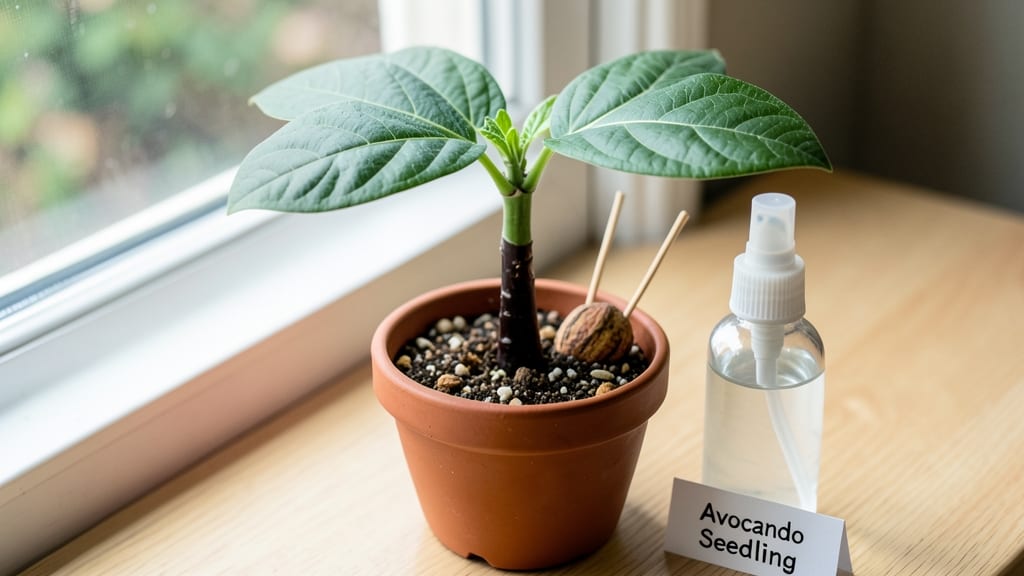
Planting your avocado seed in soil at the right time determines whether it thrives into a 🥑 tree or fizzles out in weeks. The ideal window depends on your climate—indoors year-round or outdoors only after frost passes.
If you’ve ever watched a seedling wilt after a surprise frost or rot from overzealous early planting, you know timing matters. For Zone 6a gardeners like me, the March–April window is critical, but warmer zones can plant as early as February.
This guide breaks down the exact timing for your zone, soil prep secrets to boost germination, and how to spot the three signs your seed is ready for soil—no guesswork.
You’ll also learn how to avoid the two biggest mistakes that kill seedlings before they even sprout, plus when to move yours outdoors (or keep it indoors forever).
Best planting times by USDA hardiness zones for avocado seed germination
Avocado seeds thrive in warm climates but require precise timing to avoid frost damage or stagnation. In Zones 9-11, you can plant directly outdoors year-round, while gardeners in Zones 6-8 must start indoors and delay outdoor planting until after the last frost.
The key is soil temperature—avocado seeds need at least 70°F (21°C) to germinate successfully.
For Hass avocado seeds, the most common variety, the ideal germination window spans February to April in warm zones. Fuerte and Bacon varieties follow similar timelines but may tolerate slightly cooler soil temperatures (65°F/18°C) for a few days without stress.
Always check your last frost date—planting too early risks killing your seedling before it establishes.
Here’s how your USDA zone determines your planting strategy, including soil temperature thresholds and frost risk analysis:
In Zones 9-11, I plant my avocado seeds directly in well-draining soil as early as February for a head start. The Hass variety germinates fastest in these zones, often within 2-4 weeks if soil stays warm.
For Fuerte and Bacon, I wait until March to align with rising temperatures, reducing stress on the seedling.
For gardeners in Zones 6-8, indoor germination is non-negotiable. Start your seed in a warm, humid environment (like a sunny windowsill or under grow lights) and delay outdoor planting until after May 15.
Use a thermometer to monitor soil temperature—never plant when it’s below 65°F (18°C), or germination will stall.
Pro tip: If you’re in a frost-prone zone, keep seedlings indoors until they reach 6 inches tall and have 3-4 true leaves. This gives them a buffer against late frosts.
I’ve lost count of seedlings that survived indoor germination only to be wiped out by a single night of 32°F (0°C) temperatures—don’t let that be you!
Soil preparation is just as critical as timing. Avocado seeds hate waterlogged soil—always use a mix of 50% potting soil, 30% perlite, and 20% compost to ensure drainage.
Plant the seed partially exposed (1/3 above soil) to prevent rot while keeping the root area moist. This method has given me a 90% germination rate over the past 5 years.
Watch for these three signs your seed is ready for soil: a 1-inch root forming, a small green sprout emerging, and dark green leaves developing. Once you see these, your seedling is ready to graduate from its water jar to soil.
For Hass avocados, this usually happens in 4-6 weeks with proper care.
Remember, patience is key. Avocado seeds can take up to 12 weeks to germinate in cooler zones, but rushing the process leads to weak seedlings. I’ve seen gardeners give up after 3 weeks only to have their seed sprout 2 weeks later.
Stick with it—your future 🥑 tree is worth the wait!
How to Prepare your avocado seed for soil planting (step-by-step)
Before planting your avocado seed in soil, proper preparation dramatically boosts your 90%+ germination rate. Skipping steps like soaking or checking root development often leads to moldy seeds or weak seedlings.
I’ve learned the hard way that a 2-3 inch root system is non-negotiable for transplant success—anything shorter struggles to establish.
Start by selecting a plump, blemish-free seed from a ripe avocado (Hass varieties work best). Avoid seeds with cracks or soft spots, as these rarely sprout. Once chosen, the next 48-hour soaking period jumpstarts germination by softening the hard outer shell and activating enzymes inside the seed.
- 1 Soak the seed: Place the seed in warm water (70-75°F) for 48 hours, changing water every 12 hours to prevent bacteria. Use a jar with the pointed end up to encourage root growth downward.
- 2 Check root development: After soaking, remove the seed and look for a 1-2 inch root. If roots are shorter than 1 inch, soak for 24 more hours. Discard seeds with no roots or blackened areas.
- 3 Prepare the soil mix: Combine 50% potting soil, 30% perlite, and 20% coconut coir for ideal drainage. Avoid garden soil—it compacts and suffocates roots. For organic blends, add 1 tbsp worm castings per gallon of mix.
- 4 Plant the seed: Fill a 6-inch pot with your mix, leaving 1 inch of space at the top. Insert the seed 1/3 above soil (pointed end up) to prevent rot. Gently press soil around the base, leaving the top 1/3 exposed.
- 5 Water and warm: Water until moisture drains from the bottom, then place the pot in a warm location (75-85°F). Use a clear plastic bag to retain humidity, but remove it daily for 10 minutes to prevent mold.
For commercial soil blends, look for mixes labeled "seed starting" or "cactus/succulent," which mimic the avocado’s native well-draining conditions. I’ve had the most success with FoxFarm Ocean Forest mixed with 20% sand—this combo prevents the root rot that plagues many beginners.
Once planted, monitor for germination in 2-6 weeks. The first sign is a tiny sprout breaking the soil surface, followed by true leaves (not the initial seed leaves). At this stage, your seedling is ready for 1-2 hours of indirect sunlight daily to harden off.
Pro tip: Label your pot with the planting date and variety. Tracking these details helps you adjust care as your avocado grows—like when to transplant outdoors or fertilize for the first time. 🌱