
Companion Plants
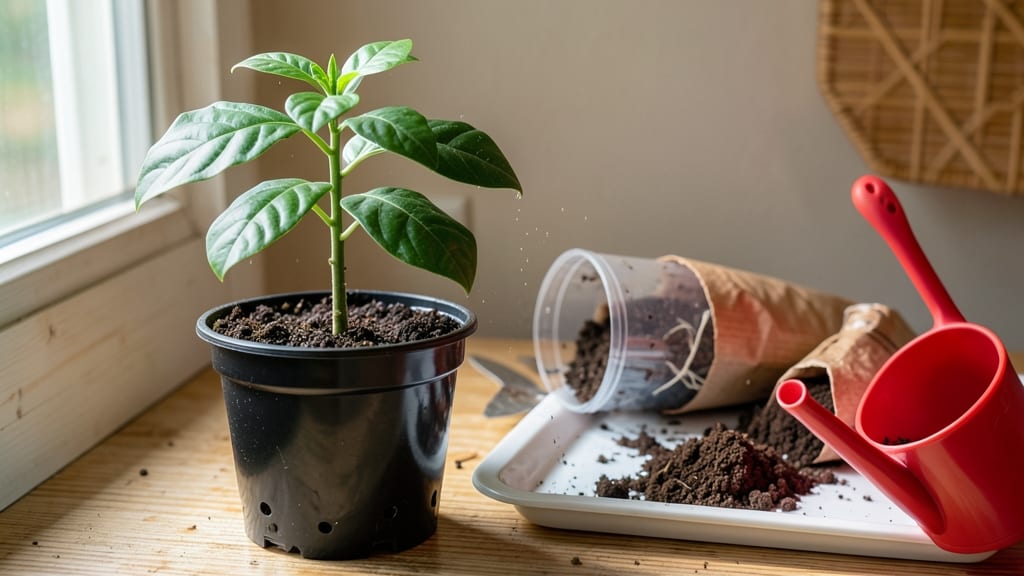
Planting your avocado seed in soil at the right time is the difference between a thriving 🥑 sapling and a sad, shriveled failure.
You’ve watched that little root curl around your glass of water for weeks, maybe even months, but now you’re staring at the calendar wondering: Is it too early? Too late? The answer depends on where you live and whether you’re keeping it indoors or moving it outside.
In warmer climates like USDA Zone 6a and above, you can plant your seed directly into soil as soon as it sprouts—just make sure the soil stays above 60°F.
But in cooler regions, waiting until after the last frost (around late May) gives your seedling the best shot at survival.
Below, I’ll break down the exact timing cues—soil temperature, root length, and seasonal shifts—to help you decide when to make the move without risking your seedling’s life.
Optimal timing for planting avocado seeds in soil after germination
Transplanting your avocado seedling too early or too late can stunt its growth—or worse, kill it. The key is waiting until your seedling develops a woody stem (not just green) and 3-6 inches of root growth.
This usually takes 4-12 weeks after germination, depending on warmth and humidity. Rushing the process risks root damage, while waiting too long can lead to overcrowded containers.
Avocado seedlings thrive in warmth (70-85°F) and high humidity, so outdoor planting timing varies by climate. In USDA Zones 9-11, you can plant year-round, but in Zones 6-8, wait until after the last frost date (typically late spring).
Even in warm climates, avoid transplanting during extreme heat or cold snaps.
Before planting, check your seedling’s stem thickness—it should feel firm, not soft. Thin, herbaceous stems aren’t ready for soil yet. Also, ensure the leaves are dark green and leathery, not pale or wilted. These signs confirm your seedling has built enough reserves to handle the stress of transplantation.
| Stage | Timing | Conditions | Action |
|---|---|---|---|
| Germination | 0-4 weeks | Warmth (70-85°F), high humidity | Keep in water or moist medium |
| Early Growth | 4-8 weeks | Woody stem forming, 3+ inches tall | Transition to soil mix |
| Ready for Soil | 8-12 weeks | 6+ inches tall, firm stem, dark leaves | Plant in 6-8" pot with drainage |
| Outdoor Planting | After last frost (Zones 6-8) or year-round (Zones 9-11) | Soil temp ≥60°F, no frost risk | Hardening off for 1-2 weeks first |
If you’re growing indoors, you can plant your avocado seedling in soil anytime after it develops a firm stem and 3-4 leaves. Use a 6-8 inch pot with well-draining soil to prevent root rot.
For outdoor planting, wait until the soil temperature reaches 60°F—cold soil shocks roots and halts growth. Test soil warmth by placing your hand near the surface; it should feel warm, not chilly.
Humidity also plays a critical role. In dry climates, transplant seedlings during overcast days or late afternoon to reduce stress. If your area has low humidity, mist the leaves lightly before and after planting to help the seedling adjust.
Avoid transplanting during peak sun hours, as this increases water loss and stress.
One common mistake is waiting too long to transplant. While a seedling can survive in water indefinitely, it risks root circling (roots growing in circles) or becoming root-bound. Once your seedling hits 12 inches tall, it’s past the ideal window for a smooth transition.
The goal is to plant when the seedling is large enough to handle soil but small enough to recover quickly.
For temperate climates, aim to plant outdoors 8-12 weeks after germination, typically in late spring. In tropical climates, you can plant year-round, but align transplants with the wettest season to ensure consistent moisture.
Always acclimate seedlings to outdoor conditions gradually—start with 2-3 hours of sunlight per day and increase over 10 days.
After planting, monitor your seedling’s leaf color and growth rate. Healthy leaves should remain dark green and firm. If leaves yellow or drop, your seedling may be underwatered or shocked.
Adjust care by watering deeply (but not soggy) and providing dappled shade for the first week. Within 2-3 weeks, your seedling should show new growth, signaling a successful transplant.
Remember, avocado seedlings grow slowly—patience is key. Rushing the process risks setbacks, while careful timing sets your seedling up for years of healthy growth. With the right conditions, your avocado tree could reach 10 feet tall in just
Signs your avocado seed is ready for soil (and what to avoid)
Your avocado seedling’s readiness for soil isn’t just about age—it’s about physical development. Look for a thick, woody stem (not green and bendy) and leathery, dark green leaves. These indicate your seedling has built enough energy reserves to handle the stress of transplantation.
A healthy seedling will also have 3-6 inches of root growth, with roots branching outward rather than circling in tight loops.
One of the biggest mistakes is transplanting too soon. Seedlings with soft, herbaceous stems or pale, wilted leaves aren’t ready—soil shock will likely kill them. Even if your seedling has sprouted leaves, check the stem’s firmness.
Press gently: if it bends easily, wait another 2-4 weeks. Patience here prevents weeks of recovery time later.
⚠️ callout-warning ⚠️
- Transplanting in extreme heat: Soil temps above 90°F can scorch roots instantly. Wait for mild days (70-80°F).
- Ignoring root circling: Roots growing in tight loops strangle growth. Trim excess roots before planting.
- Overwatering after transplant: Soggy soil suffocates roots. Water lightly for the first week, then gradually increase.
Pro tip: Test soil readiness by placing your hand near the surface. If it feels chilly, wait—cold soil halts root growth.
Another red flag is slow growth. If your seedling gains less than 1-2 inches per month, it lacks the strength for soil. Boost growth by moving it to a sunny windowsill or grow light and increasing humidity with a pebble tray.
Healthy seedlings should show new leaves every 3-4 weeks—this signals readiness.
For outdoor planting, time your transplant with your climate. In USDA Zones 6-8, aim for late spring after the last frost (typically May). In warmer zones (9-11), you can plant year-round, but avoid dry seasons when soil moisture drops.
Always harden off seedlings by exposing them to outdoor conditions for 2-3 hours daily over 10 days before full transplant.
After planting, monitor for stress signs like yellowing leaves or drooping stems. These often mean overwatering or underwatering. Avocado seedlings need consistent moisture but hate soggy soil.
Water deeply once a week, then let the top inch dry out before watering again. Mulch around the base to retain moisture and protect roots from temperature swings.
Remember: your seedling’s first year in soil is about root establishment, not rapid growth. With the right timing, your avocado tree will develop a strong root system and vigorous top growth—setting the stage for years of healthy development. Patience now means a thriving tree later.