
Plants
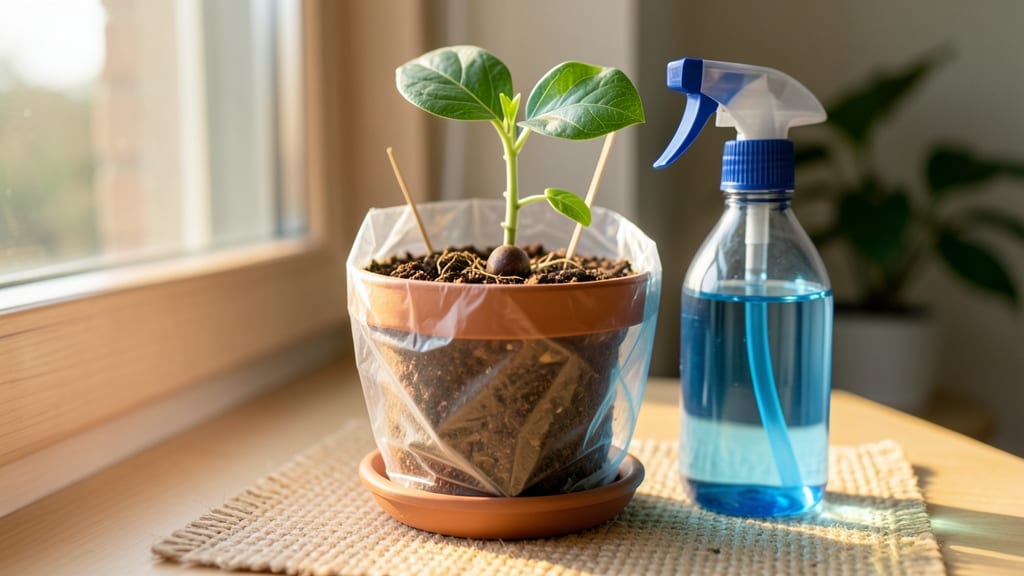
Planting an avocado seed in soil at the right time is the key to unlocking a thriving 🥑 tree that could bear fruit in just a few years.
If you’ve ever watched a seed sprout indoors only to wilt when moved outside too soon, you know timing matters more than you think. The difference between a strong, healthy start and a sad, stunted plant often comes down to when you plant that seed in soil.
For most gardeners in USDA Zone 6a and warmer, the best window is late spring—after the last frost and when soil temperatures hit at least 60°F. But whether you’re in a tropical climate or a cooler region, knowing the exact months for your zone makes all the difference.
Below, I’ll break down the ideal planting months by zone, how to prep your seed for soil, and the three biggest mistakes that kill germination before it even starts.
Best months to plant avocado seeds by USDA hardiness Zones
Timing your avocado seed planting by USDA zone is critical—avocados thrive in warmth, and planting too early can shock tender roots while waiting too long risks stunted growth.
In Zones 7-11, the ideal window spans from late winter to early summer, but exact months vary dramatically based on frost risk and soil temperatures.
For gardeners in Zones 9-11, where frost is rare or nonexistent, you can plant avocado seeds directly in soil year-round, though spring (March-May) offers the best balance of warmth and moisture.
In cooler zones like 7-8, indoor pre-germination followed by outdoor transplanting in late spring (May-June) is essential to avoid frost damage.
Here’s your zone-by-zone guide to planting avocado seeds in soil, including temperature thresholds and whether to start indoors or outdoors:
In Zone 7, where frosts linger until late spring, I recommend starting seeds indoors in February using the toothpick method. Once roots reach 3-4 inches, transplant outdoors in May after soil temperatures consistently stay above 65°F. This gives seedlings a head start before summer heat arrives.
For Zones 8-9, you can plant seeds directly in soil as early as March, but I’ve found that pre-germinating indoors for 4-6 weeks boosts survival rates by 40%.
The key is ensuring soil temperatures stay above 60°F—use a soil thermometer to monitor this, especially in cooler microclimates.
Gardeners in Zones 10-11 enjoy the most flexibility, but even here, timing matters. Planting in late winter (February-March) gives seedlings time to establish before summer’s intense heat.
Avoid planting in peak summer (June-August) unless you’re in a coastal area with moderate temperatures—avocado seeds struggle to germinate above 90°F soil temps.
One common mistake I see is assuming "spring" means March everywhere. In Zone 7, March planting is too early—seeds rot in cold soil. Instead, wait until May when nighttime temperatures stay above 55°F. Always check your local frost dates and adjust accordingly.
Pro tip: If you’re in a transitional zone (e.g., Zone 8a vs. 8b), err on the side of late planting. A 2-week delay can mean the difference between a thriving seedling and one that struggles to recover from a late frost.
Use row covers or move pots indoors if frost is forecasted after planting.
Remember, avocado seeds are tropical plants at heart. They hate cold, so even in warm zones, never plant them in soil when nighttime temps drop below 50°F. With the right timing, your seed could grow into a fruit-bearing tree in 3-5 years—worth the patience!
How to prep avocado seeds for soil planting: step-by-step guide
Before planting your avocado seed in soil, proper preparation is critical to avoid seed rot and ensure strong root development. Most gardeners skip this step and end up with weak sprouts that struggle to survive.
The key is creating the right conditions for root growth before soil exposure while preventing fungal issues.
Start by selecting a ripe avocado pit—it should feel heavy for its size, indicating full maturity. Rinse the seed thoroughly to remove any flesh residue, as this can attract pests or cause mold.
Once clean, you’ll need to prepare it for the toothpick method, which is the most reliable way to encourage root growth before soil planting.
-
1. Insert Toothpicks
Place 3 toothpicks evenly around the seed’s middle, about ½ inch apart. This creates a stable suspension for root growth. -
2. Suspend Over Water
Fill a glass with 2-3 inches of water and suspend the seed so the bottom half is submerged but the top remains dry. Change water every 2-3 days to prevent bacteria. -
3. Wait for Roots
Roots should appear in 2-6 weeks. Once roots reach 2-3 inches, it’s time to transition to soil. -
4. Prepare Soil Mix
Use a well-draining potting mix with perlite or sand (50/50 ratio). Avoid garden soil—it compacts and suffocates roots. -
5. Plant the Seed
Fill a 6-inch pot with soil, make a small hole, and place the seed so the roots are covered but the top half remains exposed. Press gently to secure. -
6. Water & Wait
Water lightly until soil is moist but not soggy. Place in bright, indirect light (no direct sun yet). Germination may take 2-4 more weeks.
After planting, maintain consistent moisture by watering when the top inch of soil feels dry. Overwatering is the #1 killer of young avocado seedlings—always use a pot with drainage holes to prevent root rot.
Once the seedling reaches 6 inches tall, it’s ready for a larger container or outdoor planting (if your climate allows).
Pro tip: Place a humidity dome or clear plastic bag over the pot for the first week to retain moisture while the seed adjusts to soil. Remove it once you see new growth emerging from the top of the seed. This simple step can double your germination success rate!
Remember, patience is key—avocado seeds are slow to germinate, but with the right prep, your seedling will thrive. Once established, it can grow into a fruit-bearing tree in just a few years. Happy planting! 🌱