
Companion Plants
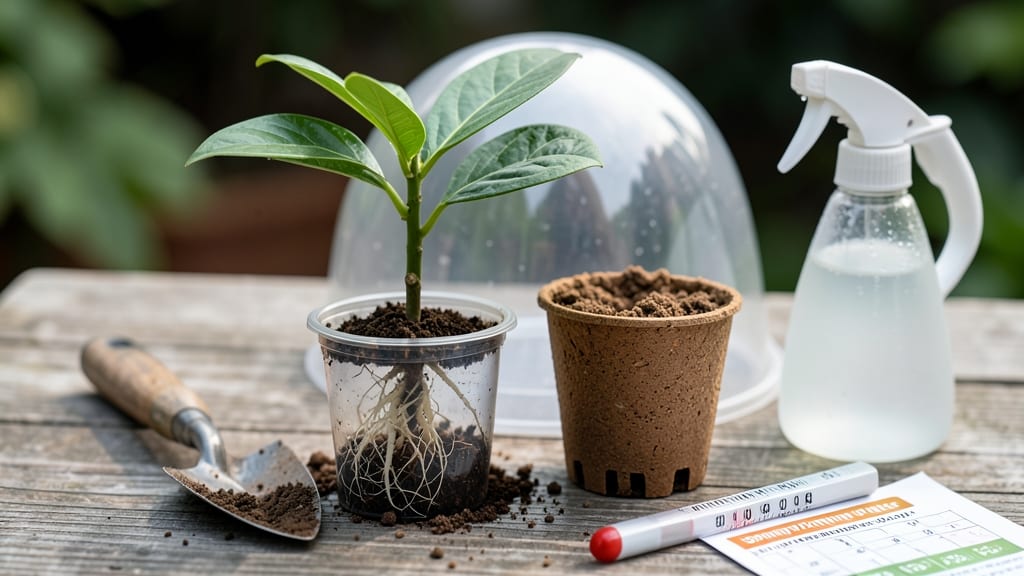
Plant your avocado seed in dirt when the soil reaches a steady 70°F—that’s the warmth-triggered moment sprouts appear fastest, whether you’re starting indoors or outdoors.
Struggling to time your avocado seed planting for maximum germination success? The key lies in warmth—not just soil temperature, but the right balance of heat and moisture to trigger those first critical sprouts.
Too early, and your seedling will stall; too late, and you miss the spring planting window when days lengthen just enough to support growth.
Most gardeners in USDA Zone 6 wait until late March or early April, after the last frost, to plant avocado seeds directly in well-draining soil.
But if you’re starting indoors, you can kick off the process as early as February by soaking the seed in warm water and keeping it near a heat source.
Below, I’ll walk you through the exact steps to test soil warmth, accelerate germination, and avoid common pitfalls—so you can go from seed to fast-growing sapling without the guesswork.
Optimal soil temperature for planting avocado seeds in dirt
Timing your avocado seed planting right ensures faster germination and healthier seedlings. The ideal soil temperature range for planting avocado seeds is between 65°F and 85°F. This warmth triggers enzymatic activity that breaks seed dormancy, encouraging roots to sprout within 2-8 weeks.
Without proper heat, your seed may rot or remain dormant indefinitely.
Avocado seeds thrive in warm, moist conditions but struggle in cold soil. If you plant too early—before soil warms—your seedling may develop weak roots or fail to emerge entirely. Understanding your USDA hardiness zone helps determine the best planting window for your location.
Here’s how soil temperature impacts germination at each stage:
In USDA zones 9-11, you can plant avocado seeds directly in warm soil as early as February. These regions rarely experience frost, so soil temperatures stay ideal year-round. For cooler zones (USDA 5-8), wait until late spring or early summer when soil reaches at least 65°F.
To test soil temperature, use a soil thermometer inserted 2 inches deep. If your soil is below 65°F, delay planting or use a heat mat indoors. In containers, soil warms faster than in-ground soil, making them ideal for early planting in cooler climates.
If you’re in USDA zone 5 or 6, start seeds indoors under grow lights in March to give them a head start. By May or June, when soil warms, transplant seedlings outdoors. This two-step approach maximizes your chances of success in colder regions.
Never plant avocado seeds in cold, wet soil—this causes rot. Instead, aim for warm, well-draining soil with a moisture level like a damp sponge. A south-facing window or greenhouse can provide the warmth needed for early planting.
Monitor soil temperature daily if planting in transition seasons (spring/fall). Sudden temperature drops can stall germination. Use black plastic mulch or row covers to retain heat and create a microclimate for your seedlings.
Once your avocado seedling reaches 6-12 inches tall and soil stays consistently above 65°F, it’s ready for permanent outdoor planting. At this stage, roots are established enough to handle cooler nights.
Remember, patience and warmth are key. Avocado seeds can take up to 8 weeks to sprout, but with the right soil temperature, you’ll see those first green shoots in no time! 🌱
Step-by-step pre-planting warmth preparation for avocado seeds
Timing your avocado seed planting correctly means understanding that warmth is the #1 trigger for germination. Avocado seeds need consistent warmth (70-85°F) to break dormancy and sprout. Without it, your seed might sit for months without progress.
I’ve found that prepping seeds with warmth indoors first gives them a head start, especially if you’re in cooler climates.
Start by selecting a ripe avocado pit—the bigger the better. Clean off any remaining fruit flesh and let it dry for 24 hours to prevent mold. Then, soak the seed in warm water (not hot) for 2-3 days, changing the water daily.
This hydrates the seed and kickstarts the germination process before you even plant it in dirt.
Here’s how to prepare your avocado seed for planting using warmth to accelerate sprouting:
Transitioning to outdoor soil depends on root development and local climate. Wait until nighttime temperatures stay above 55°F and there’s no risk of frost. Harden off your seedling by placing it outdoors for 2-3 hours daily, gradually increasing exposure over 1-2 weeks.
For cooler climates (USDA zones 5-7), delay outdoor planting until late spring (after May 15). In warmer zones (8-11), you can plant as early as March, but always monitor soil warmth with a soil thermometer—aim for 65°F+ for best results.
Patience is key—avocado seeds can take 8-12 weeks to sprout indoors with warmth. But once they do, your seedling will thrive with the right light, water, and soil conditions as it grows into a tree. 🌱