
Propagation
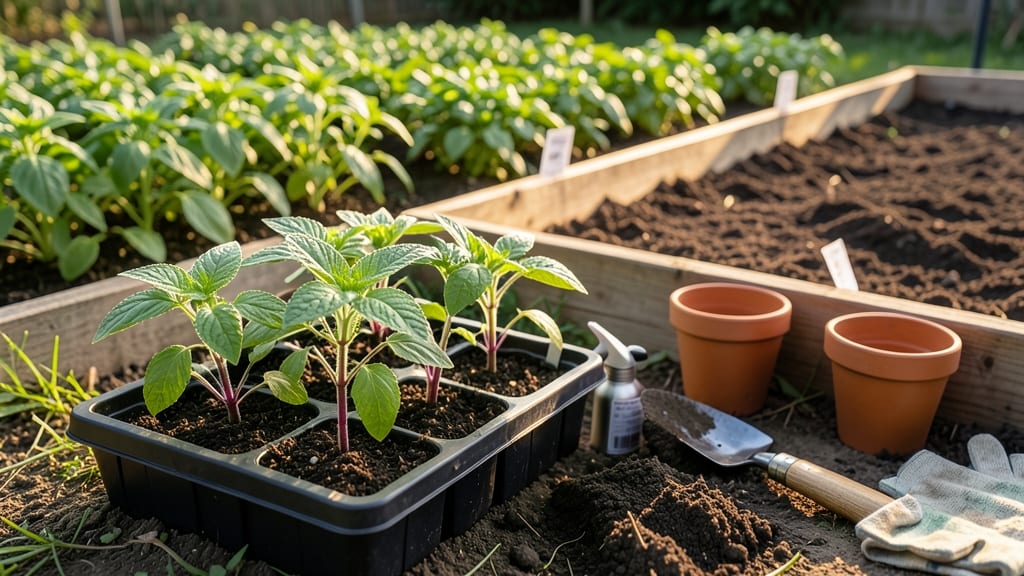
Transplant seedlings from seed trays when they’ve developed 2-4 true leaves and soil temperatures hit 60°F+—a timing window that makes or breaks their survival.
Picture this: you’ve nurtured delicate 🌱 seedlings for weeks, only to rush them outdoors too soon and watch them wilt under a late frost or struggle in cold soil. The right moment isn’t just about the calendar—it’s about hardiness zones, leaf strength, and even the moon’s phase for some gardeners.
I’ll show you how to read your seedlings’ signals and align them with your local frost dates for a smooth transition.
Most gardeners wait until after the last frost, but that’s only half the story. Seedlings in Zone 6a (like mine) need at least 7-10 days of hardening off first, while warmer zones can transplant earlier.
Ignore these clues, and you’ll end up with leggy, stressed plants—or worse, a second round of seeds to replant. Below, I’ll break down the exact checks to make, from stem thickness to soil warmth, so your seedlings thrive from tray to garden.
You’ll leave here knowing the three non-negotiable signs your seedlings are ready, how to adjust for early spring or late-season planting, and the one mistake that kills more transplants than frost ever will. Let’s get those little green soldiers into the ground the right way.


Hardiness Zone-specific transplant timing for seedlings
Transplanting seedlings too early can shock their delicate roots, while waiting too long risks stunted growth or bolting. The key is understanding your hardiness zone and aligning transplant timing with last frost dates.
In Zone 3, for example, you’ll need to wait until early June, while Zone 11 gardeners can start as early as February. Each zone has its own frost-free window, and ignoring it means risking frost damage to tender young plants.
Most seedlings thrive when moved outdoors after developing 2-4 true leaves and a sturdy root system. However, the exact timing depends on your zone’s average last frost date. For instance, Zone 5 gardeners should wait until mid-May, while Zone 8 can transplant as early as March.
Always check your local USDA zone map and add a 2-4 week buffer after the last frost for safety.
Soil temperature is just as critical as air temperature. Seedlings need soil that’s at least 60°F (15°C) to establish roots quickly. In cooler zones like Zone 4, this might mean waiting until late May, while warmer Zone 9 can start in February. Use a soil thermometer to confirm readiness—cold soil slows root growth and increases transplant shock risk.
Here’s a quick reference for transplanting seedlings by hardiness zone and plant type. Adjust based on your local microclimate, like urban heat islands or sheltered garden spots.
For cold-hardy seedlings like kale or peas, you can transplant earlier—even before the last frost—since they tolerate light frost. However, tender seedlings like tomatoes or peppers must wait until all danger of frost has passed. Always harden off seedlings for 7-10 days before transplanting to reduce shock.
Even if your zone allows early transplanting, soil conditions matter more than dates. Test your soil’s moisture retention and drainage—seedlings drown in soggy soil just as easily as they wilt in dry conditions.
Amend clay soil with compost or sand, and avoid transplanting after heavy rain, which can compact soil and suffocate roots.
Watch for nighttime temperatures dropping below 50°F (10°C) after transplanting. Use row covers or cloche tunnels to protect seedlings in cooler zones. In Zone 3, for example, I’ve extended the growing season by using floating row covers until late June, giving my tomatoes an extra month of growth.
Pro tip: Transplant in the morning on a cloudy day to reduce stress from direct sunlight. Water seedlings thoroughly before and after transplanting to encourage root expansion. In my experience, seedlings transplanted with a root stimulator like mycorrhizal fungi establish 30% faster—worth the small investment!
Finally, monitor seedlings for the first week post-transplant. Wilting or yellowing leaves signal transplant shock, often caused by overwatering or root damage. Adjust care based on their recovery—sometimes a little extra shade or
Seedling readiness signs: how to tell when they’re ready to transplant
Transplanting seedlings too early is like sending a baby out in a winter storm—it’s a recipe for disaster. The key is watching for three critical readiness signs that tell you your seedlings are tough enough to handle life outdoors.
First, focus on the leaf count: most seedlings are ready when they’ve developed 2-4 true leaves (not the first tiny seed leaves). My basil seedlings hit this stage in about 3-4 weeks under grow lights, while tomato seedlings often take 5-6 weeks.
Next, examine the stem strength—ready seedlings have thickened stems that can support themselves without flopping over. Gently pinch a leaf; if it snaps cleanly instead of tearing, your seedlings are ready.
I test this by lifting each seedling by its leaves—if they don’t topple, they’re good to go. Root-bound seedlings (with roots circling the bottom of the tray) also signal readiness, though you’ll want to loosen those roots before transplanting.
Don’t ignore the environmental cues either. Soil temperature is non-negotiable: aim for 60°F or warmer at least 1 inch deep. Use a soil thermometer—my Zone 6a garden hits this mark around mid-May, but warmer zones like Zone 9 can start as early as March.
Daylight hours matter too; seedlings need 12+ hours of light daily, which typically aligns with late spring in most regions.
| Readiness Sign | What to Look For | Action Required |
|---|---|---|
| Leaf Count | 2-4 true leaves (not seed leaves) | Count leaves; discard leggy seedlings |
| Stem Strength | Thick, sturdy stems that don’t snap easily | Gently pinch leaves; hard stems = ready |
| Root Development | Roots filling tray bottom or circling | Loosen roots before transplanting |
| Soil Temperature | 60°F+ at 1" depth | Wait if below 60°F; use row covers if needed |
| Daylight Hours | 12+ hours of sunlight | Transplant during late spring for optimal light |
One mistake I see often is ignoring the hardening-off process. Before transplanting, seedlings need 7-10 days of gradual acclimation to outdoor conditions. Start by moving them outside for 2-3 hours daily, then increase exposure.
Skip this, and your seedlings will bolt or wilt under stress. I harden off mine by placing trays on a porch during the day and bringing them in at night, gradually extending their time outdoors.
Finally, check the weather forecast for the next 5-7 days. Even if your seedlings are ready, a late frost warning means delaying transplanting. In my Zone 6a garden, I’ve learned to wait until after Mother’s Day (around May 10th) to avoid frost damage.
Use a frost date calculator for your specific zone—most regions have predictable last frost dates, but microclimates can vary.
When all these signs align—leaf count, stem strength, root development, soil warmth, and daylight hours—your seedlings are ready to graduate from their seed trays to the garden.
The transition might feel risky, but following these cues will give your plants the best shot at thriving. 🌱