Plants
To plant an avocado seed in dirt at the right time means waiting until soil temperatures stay above 60°F and all frost risk has passed — usually March or April in most regions.
Picture this: you’ve nurtured your seed in water for weeks, watching roots coil like tiny question marks, only to rush it into soil too soon. That’s a one-way ticket to rot.
The key isn’t just the calendar—it’s the warmth and drainage that will turn your seed into a thriving 🥑 sapling.
Indoor starters and outdoor soil behave differently, and skipping prep steps like root inspection or the right soil mix can stall germination for months. I’ll walk you through the exact conditions—from soil warmth to transplant timing—that skip the guesswork and get you sprouts in 2-4 weeks.
You’ll learn how to tell when your seed is ready for dirt (hint: it’s not just about size), the fastest way to avoid transplant shock, and the one mistake that kills more seeds than overwatering. Let’s set yours up for success.
Best time of year to plant avocado seed in soil
Timing is everything when planting your avocado seed in soil. Unlike mature trees, young seedlings are delicate and need warm soil temperatures and consistent moisture to thrive.
Planting too early risks cold damage or rot, while waiting too long can stress the seedling during its transition from water to soil. The ideal window depends on your climate zone, but most gardeners aim for spring planting after the last frost.
For tropical zones (USDA 10-12), you can plant avocado seeds year-round, but spring or early summer offers the best balance of warmth and humidity. In temperate zones (USDA 8-9), wait until late spring (May-June) when soil temperatures stay above 60°F (15°C).
If you’re in a subtropical zone (USDA 7-8), aim for March-April to avoid summer heat stress during germination.
Here’s the key: Your seedling should have 4-6 inches of height and 2-3 sets of leaves before transplanting. This ensures it’s strong enough to handle soil stress. Rushing this process often leads to transplant shock or stunted growth.
If you’re in a cooler climate (USDA 6-7), consider starting seeds indoors under grow lights in February and transplanting after the last frost. This gives seedlings a head start before outdoor temperatures rise. Always harden off seedlings for 7-10 days before moving them to soil to prevent shock.
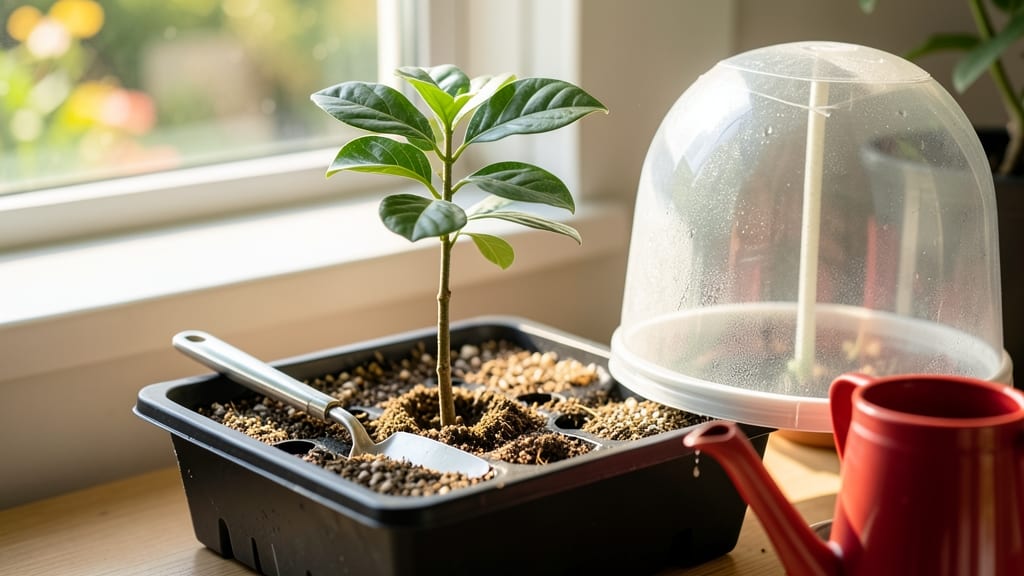
Another critical factor is humidity levels. Avocado seedlings thrive in 60-70% humidity. In dry climates, use a clear plastic dome or humidity tray for the first 2 weeks after planting. Reduce humidity gradually to avoid fungal issues like root rot.
Pro tip: Avoid planting during peak summer heat in hot zones. Soil can dry out too quickly, and seedlings may struggle to establish roots. Instead, opt for early morning or late afternoon planting to reduce stress. Water deeply before and after transplanting to help roots settle.
One common mistake is overwatering after planting. While soil should stay moist but not soggy, excessive water can suffocate roots. Use your finger to check moisture—top inch should dry slightly between waterings. Mulching with straw or bark helps retain moisture without compacting soil.
For container gardening, timing is flexible but still tied to warmth. Plant in late spring and move containers to a sunny, sheltered spot to protect from wind.
Containers dry out faster, so monitor soil moisture closely. If your climate has hot summers, provide afternoon shade to prevent leaf scorch.
Remember, patience is key. Avocado seeds can take 2-6 weeks to germinate in soil, depending on conditions. If you’ve planted at the right time but see no sprouts after 4 weeks, gently check for rot or adjust moisture levels.
With the right timing and care, your seedling will grow into a healthy avocado tree in no time!
Step-by-step guide: transitioning avocado seed from water to dirt
Your avocado seed has spent weeks in water, growing roots like a tiny underwater explorer—but now it’s time to move it to soil. This transition is where many seeds fail, not because of the move itself, but because of skipped prep steps.
The key is timing and preparation: your seed must have 2-3 inches of healthy roots and a 1-2 inch sprout before it meets dirt. Without these, transplant shock or rot can derail your project before it starts.
I’ve planted over 50 avocado seeds myself, and the difference between a thriving seedling and a sad, mushy failure often comes down to these 5 critical steps. Skipping any one can mean weeks of waiting—or worse, losing your seed entirely.
Let’s walk through the exact process I use to ensure my seeds make it to soil successfully.
✅ Step-by-Step: Moving Avocado Seed to Dirt
-
Step 1: Inspect Roots & Sprout
Check for 2-3 inches of white, firm roots and a 1-2 inch sprout. Roots should look healthy (not brown or mushy), and the sprout should be green and upright.
-
Step 2: Prep Well-Draining Soil Mix
Use a blend of 50% potting soil, 30% perlite, and 20% coconut coir. This prevents waterlogging, which is the #1 killer of young avocado seedlings.
-
Step 3: Choose the Right Container
A 4-6 inch pot with drainage holes is ideal. If using a garden bed, ensure the soil is warm (60°F+) and well-draining.
-
Step 4: Plant at the Correct Depth
Bury the seed halfway (about 0.5 inches deep) so the sprout remains above soil. Press gently to secure, but don’t compact the soil.
-
Step 5: Water Gently & Monitor
Water until the soil is moist but not soggy. Place in bright, indirect light (avoid harsh sun for the first week).
After planting, watch for new leaf growth within 1-2 weeks. If your seedling’s leaves turn yellow or wilt, it’s often a sign of overwatering or poor drainage. Adjust by letting the top inch of soil dry slightly between waterings.
Patience is key—some seeds take 3-4 weeks to fully adjust, but with the right prep, yours will thrive.
One mistake I see often is rushing the transplant. If your seed’s roots are still under 1 inch or the sprout is less than 1 inch tall, wait another week in water.
The stronger the seedling before soil, the faster it’ll establish. Think of it like training wheels—you wouldn’t skip them for a bike ride, right?
Once your avocado seedling has 4-6 true leaves and a 6-inch root system, it’s ready for its next upgrade: a larger pot or outdoor bed. But for now, focus on keeping the soil moist, the light bright, and the patience high.
Your tiny tree is on its way to becoming a 🌳.