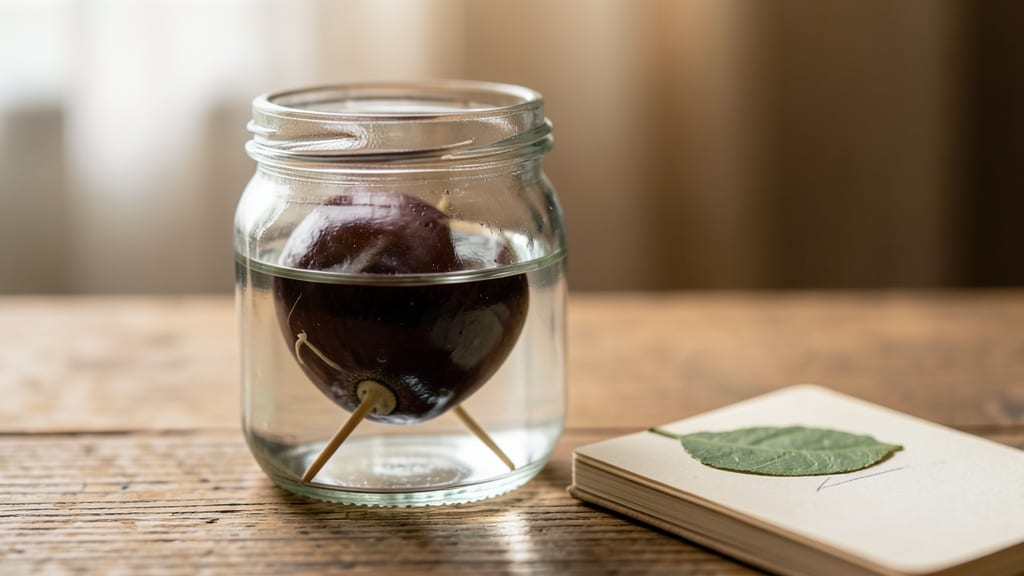
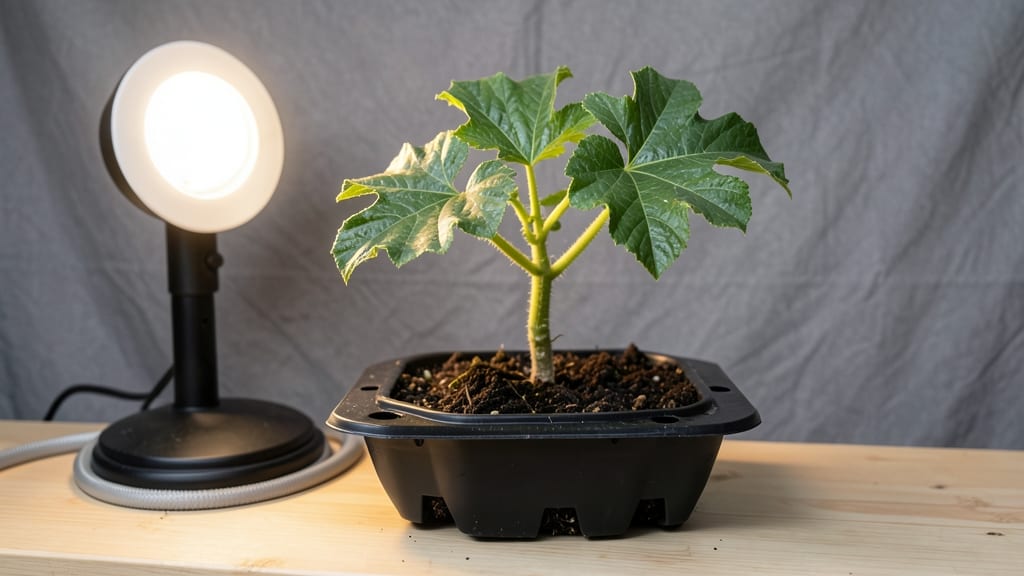
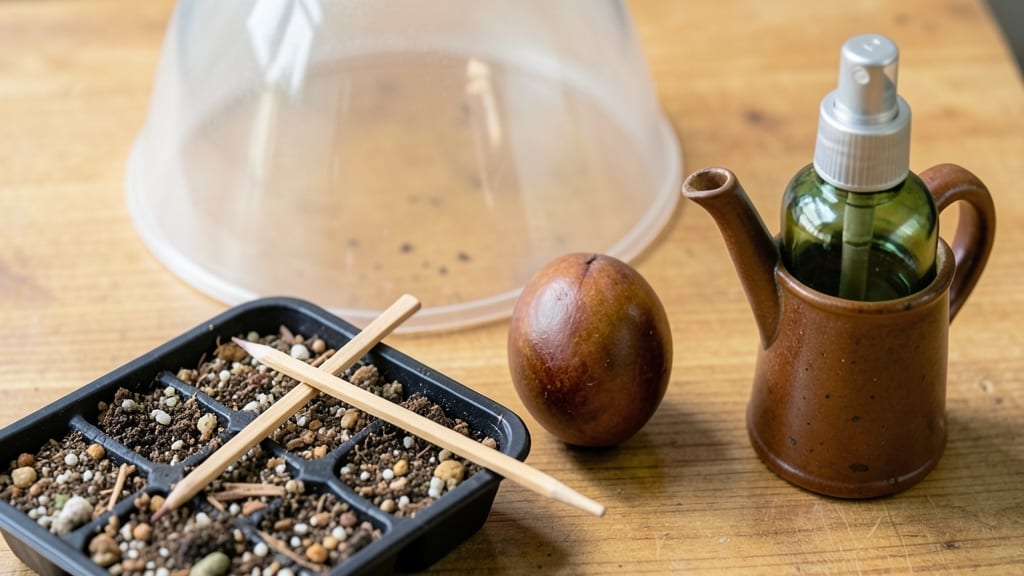
An avocado seed takes anywhere from 2 to 8 weeks to germinate—though the exact timeline depends on warmth, moisture, and a little luck. Watching an avocado seed sprout into a tiny plant is one of the most rewarding (and…
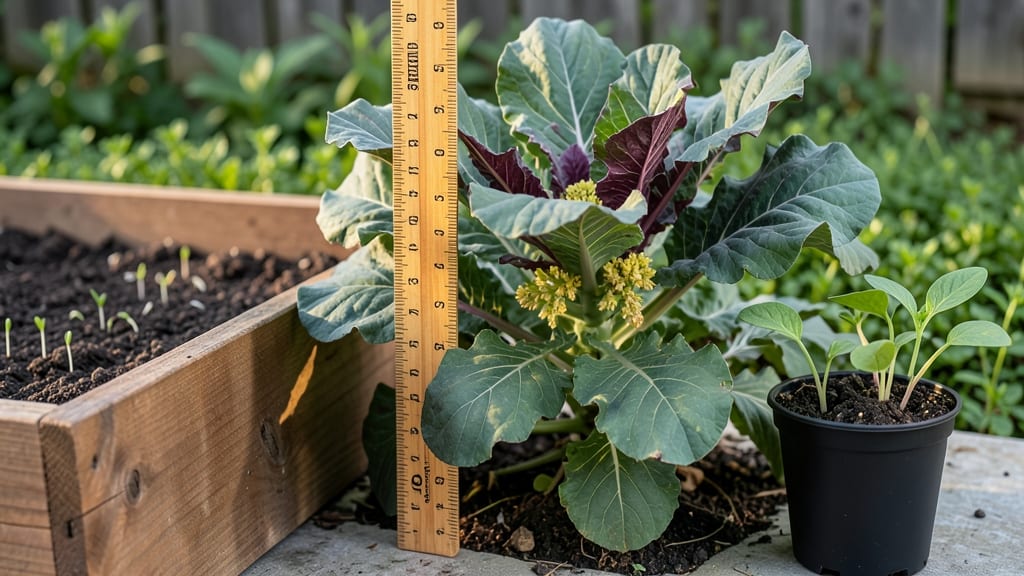
How tall can a mustard seed grow? Towering plants that reach heights of 10 feet or more are possible, depending on the variety and growing conditions. Imagine planting a tiny mustard seed and watching it grow into a…
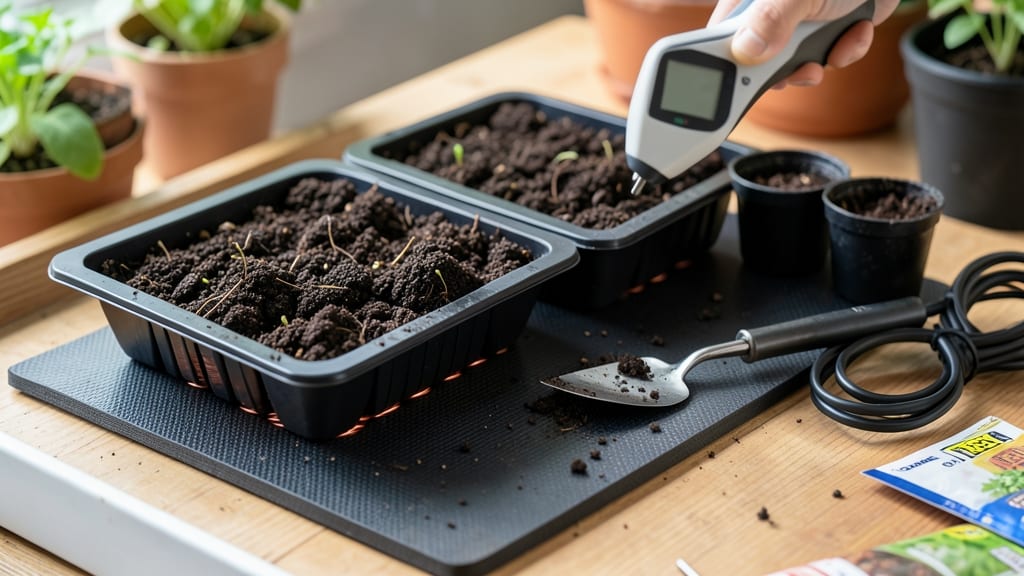
A seed mat heater can turn your cool indoor space into a tropical greenhouse for seedlings, cutting germination time by up to 50% —no fancy equipment required. Picture this: it’s February, your windowsill is chilly, and…
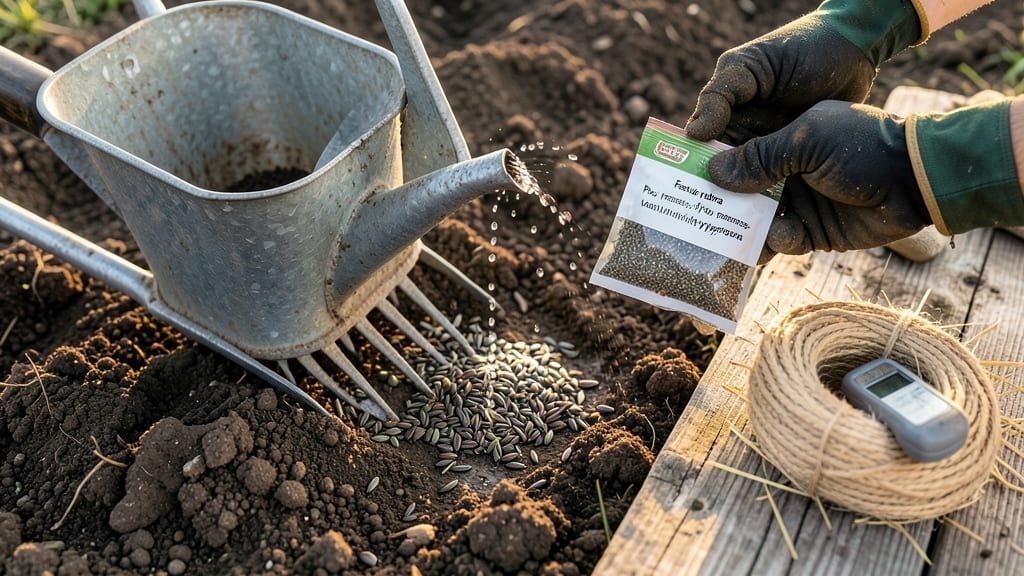
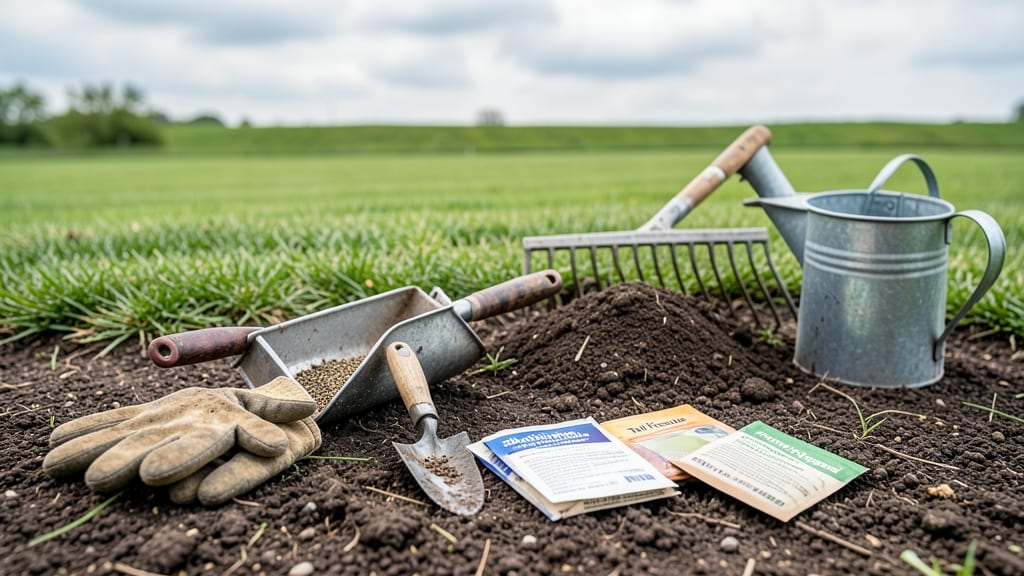
Sowing grass seed in September gives you a head start on a lush lawn before winter sets in—cool soil temperatures and fewer weeds make this the ideal window for cool-season grasses. Picture this: You’ve spent months…
The best time to plant grass seed in Georgia is between early spring and fall, when soil temperatures and rainfall align for strong germination 🌱—but the window is narrower than you think. Georgia’s hot summers and…
The best time to plant grass seed in South Carolina is early spring or fall, when temperatures and moisture align for strong germination 🌱—but get it wrong, and you’re fighting weeds or heat stress from day one. Picture…
Planting grass seed in the fall is the best way to get a thick, vibrant lawn 🌱—but only if you nail the timing. The ideal window is 4–6 weeks before your first frost , when soil stays warm enough for germination but…
Planting grass seed in spring at the right time ensures a thick, green lawn— not a patchy, slow start that frustrates you all summer. Timing your grass seed planting in spring can mean the difference between a lush…
Planting grass seed in Michigan’s spring requires timing it 4-6 weeks after the last frost —typically between early April and late May, depending on your zone. Timing is everything when planting grass seed in…
Planting grass seed in Upstate NY at the right time is the key to beating thin, patchy lawns for good—cool-season grasses like Kentucky bluegrass and fine fescue need 60 days of warm soil to root before winter hits…
I’ve always been the one in the family who turns a patch of dirt into a jungle of green—whether it’s a windowsill herb garden or a full backyard oasis. My grandmother taught me that every seed holds a story, and I’ve spent years learning how to coax those stories out of the soil.
Here, I share the lessons I’ve picked up along the way: the tricks that actually work, the plants that surprise you, and the quiet joy of watching something grow from nothing.