
Plants
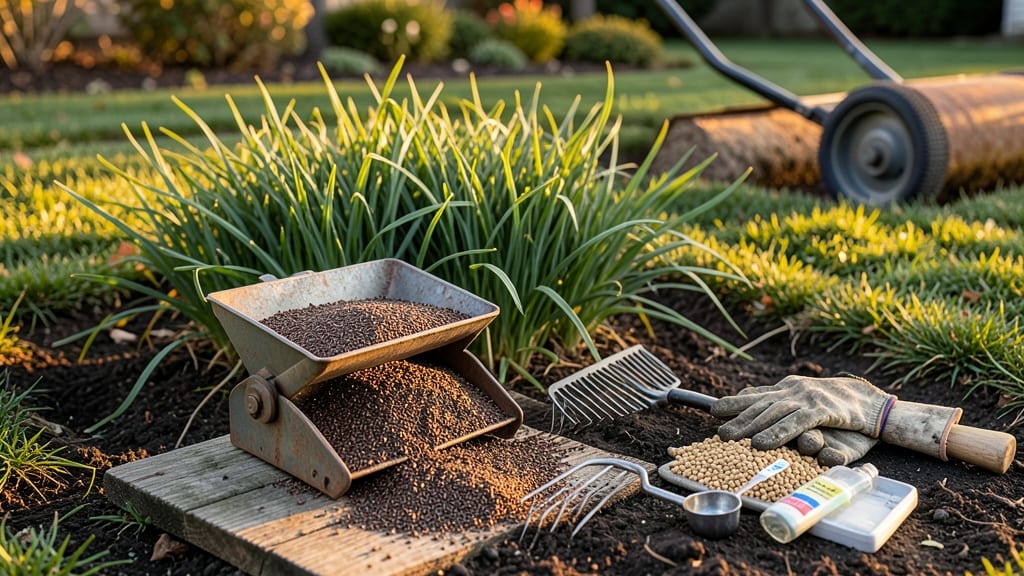
Planting grass seed in the fall is the best way to get a thick, vibrant lawn 🌱—but only if you nail the timing. The ideal window is 4–6 weeks before your first frost, when soil stays warm enough for germination but cool enough to avoid drought stress.
Picture this: You’ve spent hours raking, leveling, and spreading seed, only to watch it bake in the sun or rot in a sudden downpour. That’s why knowing your USDA zone and local frost date isn’t just helpful—it’s the difference between a lush carpet and a patchy disappointment.
In Zone 6a, like much of the Midwest, that means aiming for late August to early September. But if you’re in a cooler northern region or a warmer southern climate, your window could shift by 2–4 weeks—and I’ll show you exactly how to adjust.
Beyond the calendar, I’ll break down how to prep your soil, choose the right seed mix, and keep your new grass thriving through winter. Skip the guesswork and get the step-by-step guide to a lawn that’ll make your neighbors jealous.
Fall grass seed planting deadlines by USDA hardiness zones
Fall is the perfect window to plant grass seed because cooler temperatures reduce seed stress and weeds, while longer daylight fuels rapid root growth. But timing varies dramatically by USDA zone—plant too early, and seeds rot; too late, and roots won’t harden before frost.
To avoid these pitfalls, I’ll break down the optimal planting deadlines for each zone, plus regional tweaks for coastal and high-altitude areas.
Most gardeners aim to plant 4–6 weeks before first frost, but this shifts from late August in Zone 9 to early September in Zone 5. The key is ensuring soil stays above 50°F (10°C) for at least 4 weeks post-planting.
In colder zones, this means starting earlier, while southern zones can stretch planting into mid-October with minimal risk.
Here’s how your zone affects your planting deadline, along with adjustments for coastal climates (milder frosts) and mountain regions (earlier frosts). Use this as your zone-specific checklist to lock in the best window for your lawn.
| USDA Zone | Planting Window | Deadline (Before Frost) | Coastal Adjustment | High-Altitude Adjustment |
|---|---|---|---|---|
| Zones 3–4 (Coldest) | Mid-August to early September | 4–5 weeks before frost (by Sept 15) | Extend to Sept 30 (milder coastal frost) | Start by Aug 1 (earlier frost) |
| Zones 5–6 (Northern Temperate) | Late August to mid-September | 4–6 weeks before frost (by Oct 1) | Extend to Oct 15 (coastal zones) | Shift to Aug 15–Sept 1 (mountains) |
| Zones 7–8 (Transition) | Early September to early October | 6 weeks before frost (by Oct 15) | Extend to Nov 1 (coastal South) | Start by Aug 20 (Appalachians) |
| Zones 9–10 (Mild Winters) | Mid-September to November | 8 weeks before frost (by Nov 15) | Plant until Dec 1 (coastal CA/FL) | N/A (minimal altitude effect) |
For example, if you’re in Zone 6 with a first frost on October 15, your deadline is September 1. But if you live near the Pacific Northwest coast, push it to October 15—coastal areas often see 3–4 weeks later frosts than inland zones.
Conversely, mountainous Zone 6 areas (like Colorado) may need to plant by August 20 to avoid early snow.
Pro tip: Check your local frost date on the National Weather Service website or use a frost calendar app for hyper-local accuracy. Even a 1-week delay can mean the difference between a thick, green lawn and a patchy winter recovery.
I’ve seen this firsthand—my Zone 5 lawn planted on September 10 was lush by winter, while a neighbor’s September 20 attempt struggled.
Soil temperature is your true north for fall planting. Aim for 60–75°F (15–24°C)—use a soil thermometer to confirm. If temps drop below 50°F (10°C) before roots establish, your grass will go dormant prematurely.
In Zone 4, this means planting by August 20, even if your frost date is October 10.
Don’t overlook microclimates in your yard. A south-facing slope stays warmer and can handle later planting, while shaded areas may need an earlier start.
I once planted tall fescue on the sunny side of my Zone 7 yard in early October, but the shady side needed to go in by September 15 to avoid winter stress.
For high-altitude gardens (e.g., Denver, Salt Lake City), subtract 2–3 weeks from your zone’s deadline. At 5,000+ feet
How to adjust planting time for local weather patterns
Your USDA hardiness zone gives you a starting point, but local weather patterns can shift your grass seed planting window by weeks. For example, a heat island in the city might keep soil warm enough for germination 2 weeks later than rural areas just 10 miles away.
Even within the same zone, microclimates—like shaded spots under trees or sunny south-facing slopes—create ideal conditions at different times. The key is balancing soil temperature, rainfall, and frost risk to maximize root growth before winter dormancy.
Here’s how to fine-tune your planting schedule using science-backed methods, including a simple soil test to avoid costly mistakes.
- Test soil temperature at 2–4 inches deep. Aim for 60–75°F—below 50°F, seeds won’t germinate.
- Check your local frost date (not the USDA average). Plant 4–6 weeks before the earliest frost in your area’s history.
- Adjust for rainfall trends. If your region gets consistent showers, plant 1–2 weeks earlier. Drought-prone areas? Wait until soil moisture is stable.
- Account for microclimates. South-facing slopes warm faster; shaded areas stay cooler. Test both spots with a soil thermometer.
- Use a seed germination calculator (like the one from your seed brand) to input your zip code for a customized deadline.
Let’s say you’re in Zone 5b with a typical frost date of October 10—but your neighborhood’s urban heat island delays frost until October 20. You could safely plant tall fescue (a cool-season grass) as late as September 15, giving roots time to establish before winter.
For cooler regions (Zones 3–4), prioritize early September planting with a focus on winter-hardy varieties like Kentucky bluegrass. In warmer climates (Zones 7–10), extend your window into October or even November, but avoid planting when daytime temps exceed 85°F.
Pro tip: If your soil stays too wet after planting, use a lightweight mulch (like straw) to prevent seed rot. For dry spells, water deeply twice daily until germination (about 10–21 days).
By combining these adjustments, you’ll avoid the #1 fall planting mistake: seeding too late and ending up with weak grass that struggles to survive winter. With the right timing, your lawn will establish deeper roots and outcompete weeds next spring—no guesswork required.