
Companion Plants
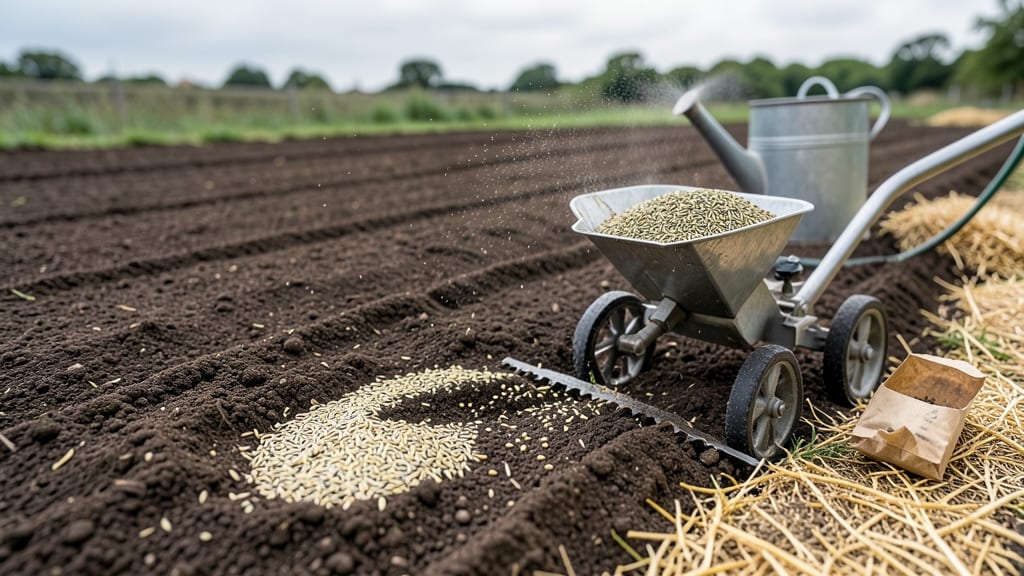
Planting grass seed in spring at the right time ensures a thick, green lawn—not a patchy, slow start that frustrates you all summer.
Timing your grass seed planting in spring can mean the difference between a lush, green lawn and patchy, slow-growing grass—soil temperatures and your hardiness zone play a bigger role than most gardeners realize.
In Zone 6a, like many northern regions, the ideal window is 4-6 weeks before your last frost—usually late March or early April. But plant too early, and cold soil will stall germination; wait too long, and summer heat can stress young grass.
Below, I break down the exact soil temps to watch for, the best seed varieties for spring, and how to prep your lawn for success—so you skip the guesswork and get that perfect green carpet.
Ideal soil temperatures for planting grass seed in spring by zone
Planting grass seed at the right time in spring ensures strong germination and a vibrant lawn. The key factor isn't just the calendar date—it's soil temperature. Cool-season grasses thrive when soil hits 50°F–60°F, while warm-season varieties prefer 65°F–75°F.
Your USDA hardiness zone determines when these conditions align, so let's break it down by region to avoid frost damage or heat stress.
In USDA Zones 3–5, early spring often brings cold soil, delaying planting until late April or May. Meanwhile, Zones 7–10 can plant as early as February if soil warms quickly.
Using a soil thermometer (just 2–3 inches deep) is the most accurate way to check—don't guess based on air temperature alone. Consistent moisture is equally critical during germination.
Cool-season grasses like Kentucky bluegrass and tall fescue should go in when soil is 50°F–60°F, typically 4–6 weeks before your last frost date. Warm-season types such as Bermuda or Zoysia wait for 65°F+ soil, usually after Memorial Day in warmer zones. Planting too early risks frost kill, while waiting too long can lead to drought stress.
Here’s a quick reference for your zone, including ideal soil temps and planting windows:
For Zones 3–5, focus on cool-season grasses like fine fescue or ryegrass, which tolerate cooler soil. These varieties germinate faster in 50°F–60°F conditions, giving them a head start before summer heat arrives.
In Zones 7–10, prioritize warm-season grasses such as St. Augustine or centipede, which thrive in 65°F+ soil and handle summer’s intensity better.
If your soil is too cold, cover the area with black plastic mulch for 1–2 weeks to warm it up. For too-hot soil, shade the bed with burlap or straw until temperatures drop.
Always water deeply 1–2 inches per week after planting to encourage root growth. Avoid walking on new grass until it reaches 3–4 inches tall to prevent damage.
Pro tip: Test your soil’s pH level (ideal: 6.0–7.0 for most grasses). Amend with lime if pH is too low or sulfur if too high. A soil test kit costs under $20 and saves you from guessing. Starter fertilizer with high phosphorus (e.g., 10-20-10) also boosts root development during germination.
Remember, consistency is key. Even if soil temps are perfect, irregular watering or shading can stunt growth. Use a sprinkler timer to maintain 1 inch of water weekly until grass is established. In drought-prone zones, consider drought-tolerant varieties like buffalo grass or tall fescue blends.
Finally, monitor your lawn for weed competition early on. Pre-emergent herbicides can prevent crabgrass, but apply them after seeding (not before). For organic control, hand-pull weeds when soil is moist. With the right timing and care, your grass will outcompete weeds within 6–8 weeks.
🌱
Signs your soil is ready to plant grass seed (and what to do if it isn’t)
Before you rush to spread that grass seed this spring, check your soil—it’s the foundation for strong germination. The right conditions mean the difference between a thick lawn and a patchy failure. Look for warm soil (55–65°F), not just air temperature, because cold soil will stall your seeds.
Start by pressing your finger about 2 inches deep into the soil. If it feels warm to the touch and crumbles easily, it’s ready. If it’s still damp and cold, your seeds will struggle to sprout. Moisture is also key—soil should feel like a damp sponge, not mud or dust.
⚠️ WARNING: Common Mistake Alert! If your soil is too cold** (below 50°F), your seeds may rot before sprouting. In Zone 6a, wait until mid-April when soil temps consistently stay above 55°F.
Use a soil thermometer to check—don’t guess! If it’s still chilly, cover your seeds with a lightweight row cover to warm them faster.
Another red flag? Compacted soil that feels hard when pressed. Grass seeds need air and water to reach their roots, so loosen the top 2–3 inches with a rake or aerator. If your lawn is heavily compacted, consider adding compost or sand to improve drainage before planting.
For slow-draining soil, mix in perlite or vermiculite to help water flow. Test your soil’s moisture by squeezing a handful—if water beads up instead of absorbing, it’s too wet. In this case, wait a few days or till the surface dries slightly before planting.
If your soil is ready but you’re still hesitant, use a starter fertilizer with high phosphorus (look for a middle number like 10-20-10) to boost root growth. Apply it lightly before seeding, then water deeply to help nutrients reach the soil.
This step is especially helpful in nutrient-poor soil or if you’re overseeding an existing lawn.
Finally, time your planting with the moon’s phases for extra success—planting during a waxing moon (when the moon is growing) can encourage stronger root development. Just don’t let this delay you if your soil is already perfect! Start seeding in the early morning to reduce water loss from evaporation.