
Plants
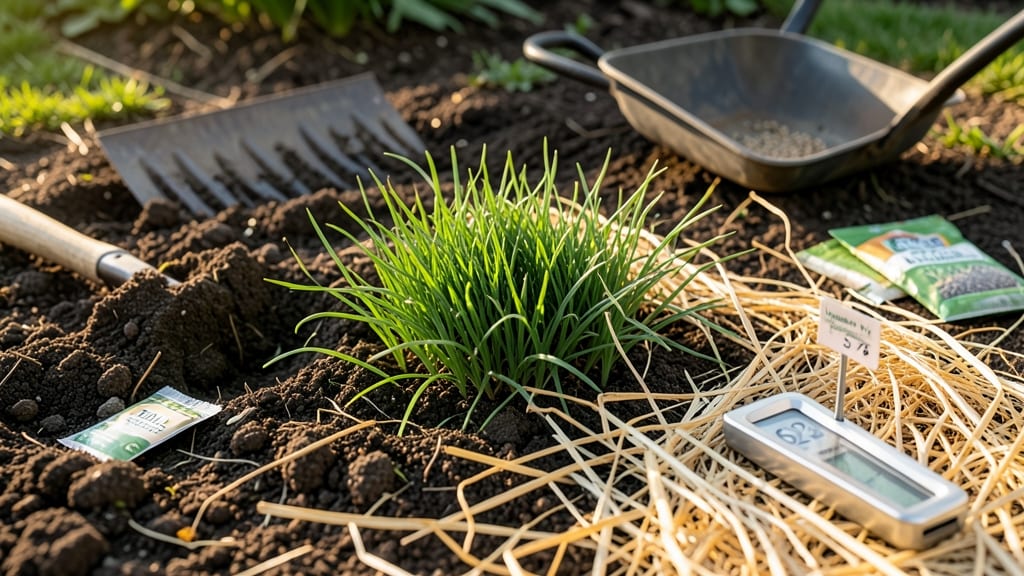
Planting grass seed in Upstate NY at the right time is the key to beating thin, patchy lawns for good—cool-season grasses like Kentucky bluegrass and fine fescue need 60 days of warm soil to root before winter hits.
Upstate New York’s unpredictable weather can make or break your lawn—planting grass seed at the wrong time means weak roots, patchy growth, and wasted money. But timing it right guarantees a lush, resilient lawn that thrives through harsh winters and humid summers.
Most gardeners in zones 5b-6b focus on two windows: early fall (August-September) and late spring (April-May). The secret? Soil temps between 55°F and 65°F—too hot in summer stresses seedlings, while late fall leaves them vulnerable to frost.
Here’s how to nail the timing, prep your soil, and pick the best grass types for Upstate NY’s climate—so you’re not left with a brown, uneven mess next spring.
Best planting windows for Upstate NY grass seed (cool-season rules)
Upstate New York’s USDA Zones 5b-6b create unique challenges for lawn success. Unlike warmer regions, cool-season grasses like Kentucky bluegrass and fine fescue thrive when planted during moderate temperatures—not scorching summer heat or freezing winter. Missing the window means struggling with weak germination or disease pressure from extreme conditions.
The ideal planting periods narrow down to two 6-week windows: early fall (August–September) and early spring (April–May). These times balance soil warmth (55–75°F), moisture availability, and reduced weed competition.
Let’s break down why these windows work—and how microclimates like the Adirondacks vs. Finger Lakes shift your timing slightly.
🌱 Pro Tip: Always check your local frost dates. Syracuse (Zone 6a) may have 2 weeks earlier last frost than Plattsburgh (Zone 4b), so adjust accordingly.
| Planting Window | Soil Temp Threshold | Upstate NY Microclimate | Key Advantages |
|---|---|---|---|
| Early Fall (Aug–Sep) | 55–70°F (13–21°C) | Adirondacks: 2 weeks earlier Finger Lakes: 1 week later |
Cooler temps reduce weed competition, seeds establish before winter. |
| Early Spring (Apr–May) | 50–65°F (10–18°C) | Albany: Late April Buffalo: Early May |
Avoids summer heat stress, longer growing season for root depth. |
| Late Summer (Jul) | 60–75°F (16–24°C) | Risky in most areas | Only viable in cooler microclimates (e.g., shaded areas). |
| Spring (Jun) | 65–80°F (18–27°C) | Avoid entirely | High disease risk and weed competition from warm soil. |
For early fall planting, aim to sow seeds 4–6 weeks before the first hard frost (typically mid-October in Upstate NY). This gives roots time to anchor deeply before winter dormancy.
In the Finger Lakes region, where humidity lingers, prioritize well-draining soil to prevent fungal diseases like brown patch.
Spring planting requires patience—wait until soil temps stabilize above 50°F (measured 4” deep). In the Adirondacks, this often means holding off until late April or early May. Rushing leads to shallow roots and thin lawns that struggle in summer heat.
🌡️ Soil Temp Test: Bury a soil thermometer for 30 minutes. If it reads below 55°F, delay planting until conditions improve.
Upstate NY’s microclimates demand flexibility. The Adirondacks’ cooler elevations may allow July planting in shaded areas, while the Mohawk Valley’s hotter pockets should avoid summer entirely. Always test your specific site—a north-facing slope stays cooler than a south-facing yard.
One common mistake? Planting in late August or early September and assuming it’s “early fall.” By then, soil temps may already dip below ideal ranges, slowing germination. Stick to August’s first half for best results.
Finally, overseeding in fall (adding seed to existing lawns) works best in September when nights cool but days stay warm. This boosts density before winter and fills bare spots come spring.
Timing your grass seed right in Upstate NY isn’t just about the calendar—it’s about reading your microclimate and giving seeds the perfect temperature window to thrive. Master these rules, and you’ll skip the patchy lawn headaches for years to come. 🌱
How Upstate NY weather affects grass seed success (rain, frost, and heat zones)
Upstate New York’s weather throws curveballs—from sudden late spring frosts in the Adirondacks to drought-like conditions in the Finger Lakes. These extremes force grass seed to adapt or fail. Cool-season grasses like Kentucky bluegrass and fine fescue need consistent moisture and stable temperatures to establish roots before winter dormancy.
Rainfall patterns vary wildly: Syracuse averages 35 inches annually, while Albany sees 40 inches, but summer droughts can turn soil to concrete. Meanwhile, humidity spikes in July-August create fungal risks for seedlings. Understanding these patterns helps you adjust planting schedules and soil prep for success.
⚠️ callout warning
- Planting in summer heat (temps >85°F) causes seed desiccation.
- Ignoring soil drainage tests—waterlogged areas suffocate roots.
- Skipping fall prep (like aeration) for spring planting.
Pro Tip: Use a soil thermometer—ideal temps are 55°F-65°F.
Albany’s average last frost is April 15, while Syracuse’s is April 22—just 7 days apart, but critical for timing. Planting 4-6 weeks before these dates gives seedlings time to root before summer heat.
For example, late August is perfect for Syracuse, but early September works better for Albany’s cooler microclimate.
Drought-prone areas like the Finger Lakes region need extra mulch (straw or peat moss) to retain moisture. High-humidity zones like near the Mohawk Valley require fungicide treatments if planting in late summer. Always check your local USDA Zone (5b-6b) for precise frost dates.
Before planting, run this quick soil prep checklist: ☑️ Test pH (6.0-7.0) with a kit ☑️ Loosen soil 4-6 inches deep with a core aerator ☑️ Rake away debris and rocks ☑️ Water deeply 24 hours before seeding ☑️ Apply starter fertilizer (high phosphorus) lightly
Remember: Cool-season grasses grow best when soil temps are 55°F-65°F. If you miss the fall window, wait until early spring—just don’t plant after May 15, or seedlings will struggle with summer heat. With the right timing and prep, your lawn will outlast Upstate NY’s worst weather.