
Plants
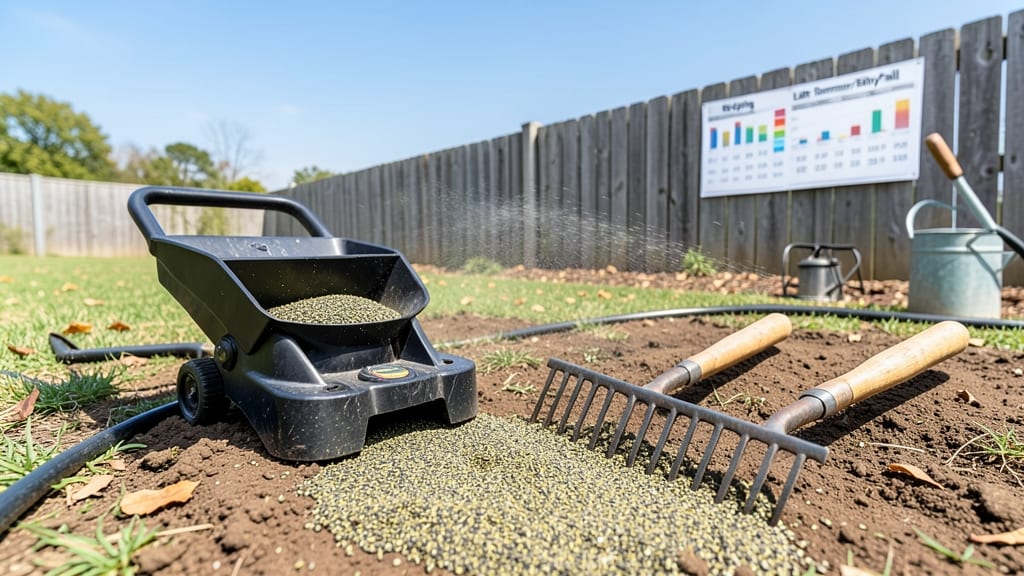
The best time to plant grass seed in Georgia is between early spring and fall, when soil temperatures and rainfall align for strong germination 🌱—but the window is narrower than you think.
Georgia’s hot summers and unpredictable weather can turn grass seeding into a high-stakes gamble—but timing it right guarantees a lush, thick lawn that outlasts the heat. Miss the window, and you’ll battle weeds, drought, and patchy growth for months.
In USDA zones 7b-8b, the ideal planting months are March-April and September-October, when temperatures stay mild and rainfall supports root development. Coastal areas like Savannah may have a slightly later window, while Piedmont regions like Atlanta need to act faster.
Below, I break down the exact deadlines by zone, how to prep your soil for maximum success, and the three mistakes that ruin even the best-laid plans—so you can skip the guesswork and get a lawn that stays green all year.
Georgia’s ideal grass seed planting windows by hardiness Zone (cool season deadlines)
Georgia’s cool-season grasses like tall fescue and ryegrass thrive when planted during the ideal temperature window of 60°F to 75°F. This means late summer to early fall is your best bet, but timing varies dramatically across Georgia’s 7 USDA hardiness zones.
Plant too early, and summer heat will stress seedlings; too late, and winter frosts may kill young roots before establishment.
Most Georgia gardeners focus on September and October for cool-season seeding, but your exact deadline depends on where you live. For example, Savannah’s Zone 8b has a longer growing season than Blue Ridge’s Zone 7a, meaning you can plant weeks later in the south.
We’ll break down the optimal planting windows for each zone, plus how to adjust for microclimates like urban heat islands or coastal humidity.
🌱
For Zone 7a gardeners in the Blue Ridge Mountains, aim to plant by September 15th to give seedlings time to establish before winter. In Zone 8b areas like Savannah, you can push your deadline to October 25th thanks to milder winters.
Always check your last frost date—you’ll want 6-8 weeks of warm weather after planting for strong root development.
Microclimates play a huge role in Georgia. For example, Atlanta’s urban heat can extend your planting window by 5-7 days compared to rural areas. Meanwhile, coastal regions like Savannah often see milder winters, allowing you to plant 2-3 weeks later than inland zones.
If you’re unsure, use a soil thermometer—ideal planting temps are 60°F-75°F at a 4-inch depth.
Many Georgia gardeners make the mistake of planting too late in fall, only to watch seedlings struggle with early winter frosts. A simple trick is to use winter ryegrass mixes, which germinate faster and tolerate cooler soils.
These blends are perfect for late October plantings in southern zones where traditional tall fescue might not establish before cold snaps.
Don’t forget about spring planting—while less ideal, it’s possible in Zone 7a if you plant by March 15th (before summer heat arrives). For most of Georgia, though, fall is the gold standard for cool-season grass success.
The key is soil moisture—keep newly seeded areas consistently damp (but not soggy) for the first 3-4 weeks to encourage germination.
🌿
Pro tip: If you’re overseeding an existing lawn, late September is perfect across most zones. This gives your grass 8-10 weeks of growth before winter dormancy. For new lawns, early September plantings in northern zones and mid-September in southern zones yield the thickest results.
Always test your soil pH (ideal range: 6.0-7.0) and amend with compost or lime if needed before seeding.
Finally
How to prepare your Georgia lawn for seed planting (soil, weather, and pre-treatment checklist)
Preparing your Georgia lawn for grass seed planting isn’t just about throwing seeds on bare soil—it’s about creating the perfect conditions for strong germination and long-term growth. Georgia’s clay-heavy soil and humid summers demand extra prep work to avoid common pitfalls like poor seed-to-soil contact or weed competition.
Start by testing your soil pH—most Georgia grasses thrive in a neutral to slightly acidic range (6.0-7.0). If your soil is too alkaline, amend it with sulfur or peat moss before planting. This step alone can boost your seed’s success rate by 30-50%.
- 📅 Test soil pH 2-4 weeks before planting (ideal: 6.0-7.0).
- 🔧 Aerate compacted clay soil to 2-3 inches deep in spring/fall.
- 💧 Apply pre-emergent herbicide 1-2 weeks before seeding (avoid post-planting).
- ☀️ Monitor 5-day forecast—plant when 1-2 inches of rain are predicted.
- 🌡️ Wait for soil temps between 60°F-75°F (use a soil thermometer).
- 🌱 Spread seed evenly with a broadcast spreader (1/4 lb per 100 sq ft).
- 💧 Lightly rake and water daily (keep soil moist for 21 days).
Georgia’s clay soil is notorious for compacting, which suffocates young grass roots. Use a core aerator to pull out 2-3 inch plugs, then top-dress with compost or sand to improve drainage. This step is critical—skipping it can leave your lawn patchy and weak within weeks.
Timing your pre-emergent herbicide is another Georgia-specific challenge. Apply it 1-2 weeks before seeding to kill weeds without harming your new grass. Pro tip: Skip herbicides in late summer—Georgia’s heat can activate dormant weed seeds, making them harder to control.
Weather tracking is non-negotiable. Plant when soil temps are between 60°F-75°F and a 1-2 inch rain forecast is predicted within 5 days. Use a soil thermometer—Georgia’s afternoon heat can push temps above 80°F, which stops germination before it starts.
After planting, maintain consistent moisture—water lightly twice daily for the first 2 weeks to prevent seed from drying out. Once sprouts appear, reduce to 1/2 inch per week and avoid heavy watering, which can wash away seeds or cause disease.